Reliable China Angle Roll Forming Machines | Expert Insights
China Angle Roll Forming Machine: A Veteran's Perspective
After spending well over a decade knee-deep in the industrial equipment sector, I’ve seen quite a few machines come and go, each with its quirks and strengths. Among them, the China angle roll forming machine stands out as a trusty workhorse with a steadily growing reputation.
Now, angle roll forming machines have been around for ages. They shape metal into angular profiles used in construction, bridges, or heavy machinery frames. But what really caught my eye about the Chinese models is their balance between affordability, adaptability, and surprisingly solid build quality. I suppose the first time I encountered one was on a customer site in Guangdong. The operator swore the machine was simple yet effective for their bespoke steel angle requirements.
Understanding the Design and Materials
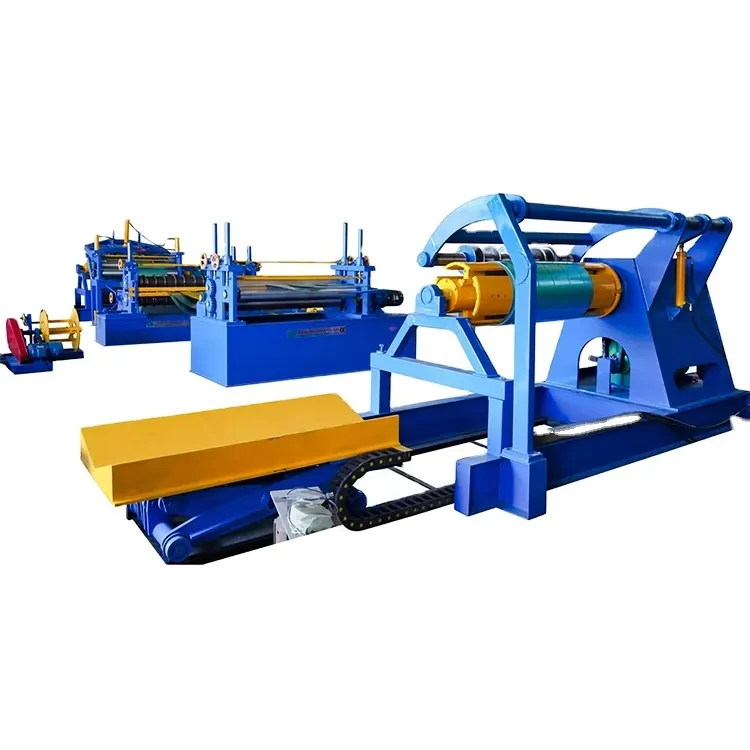
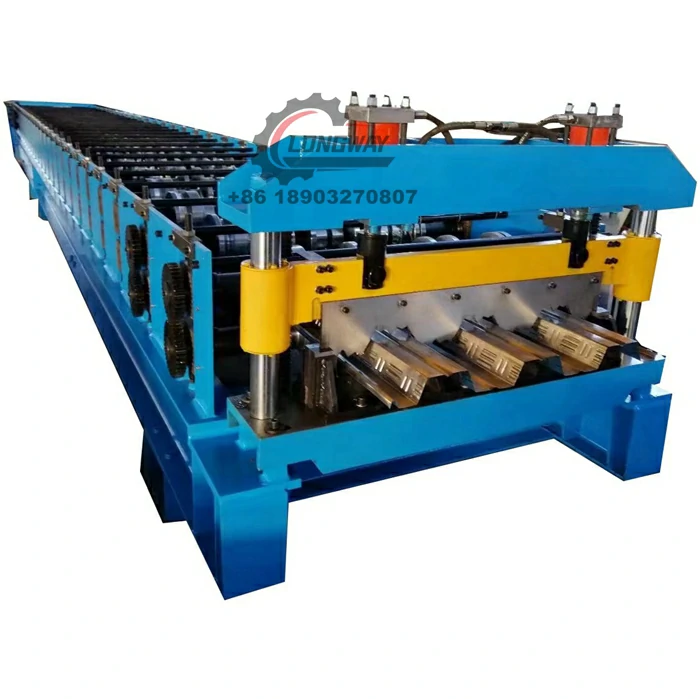
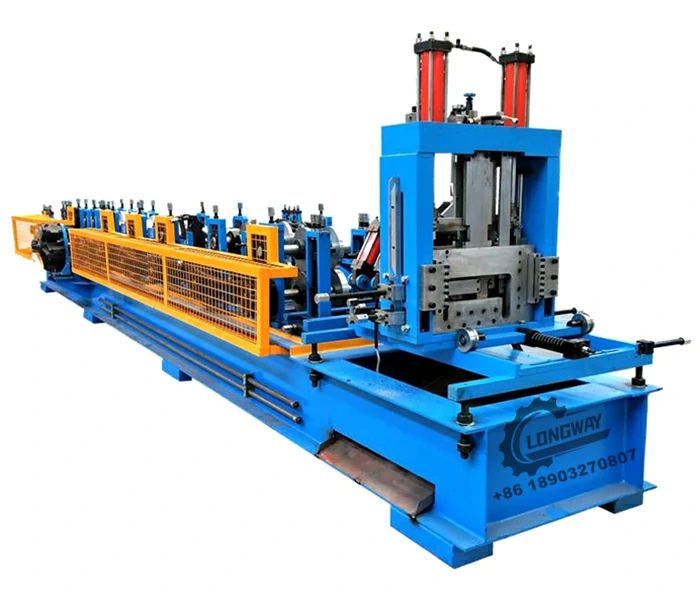
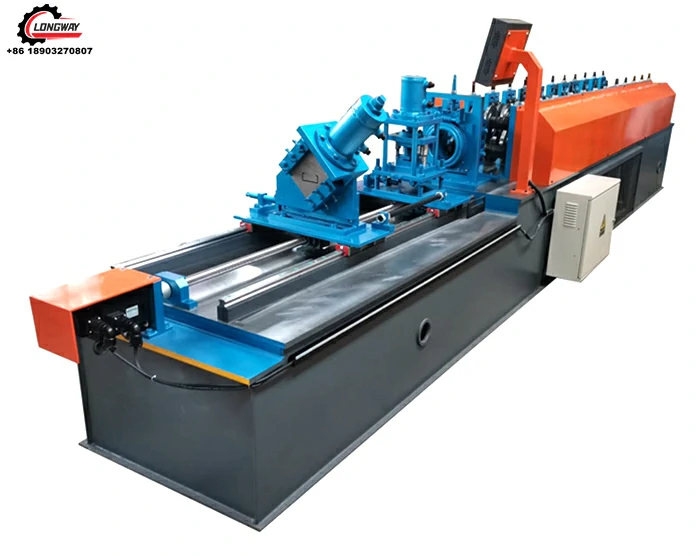
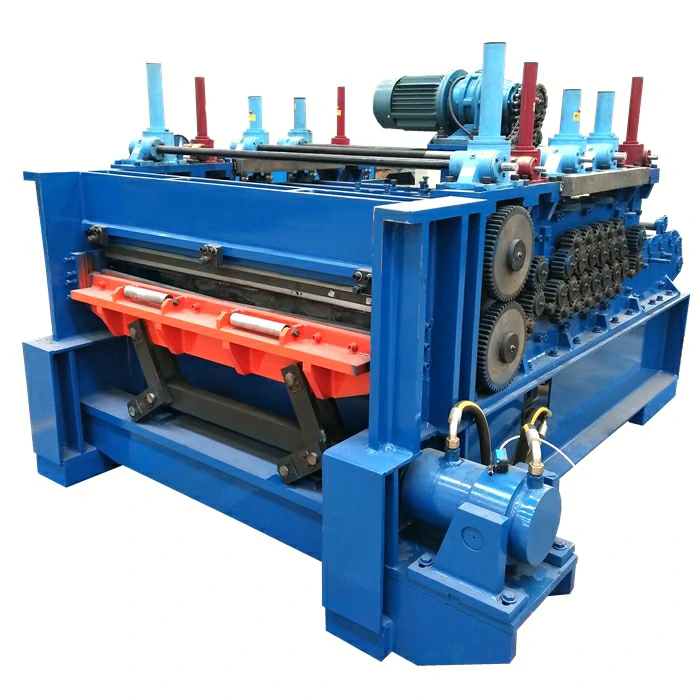
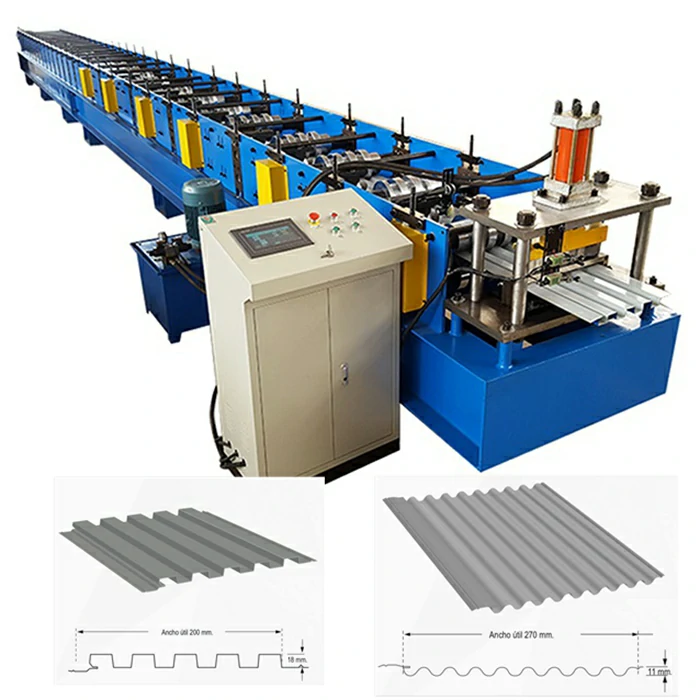
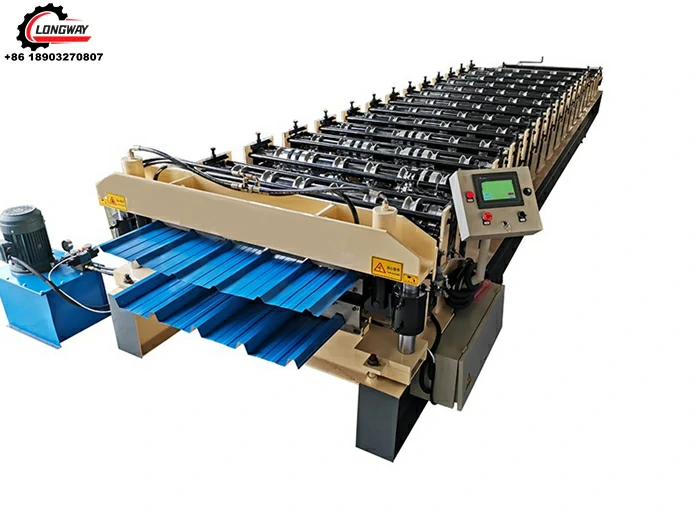
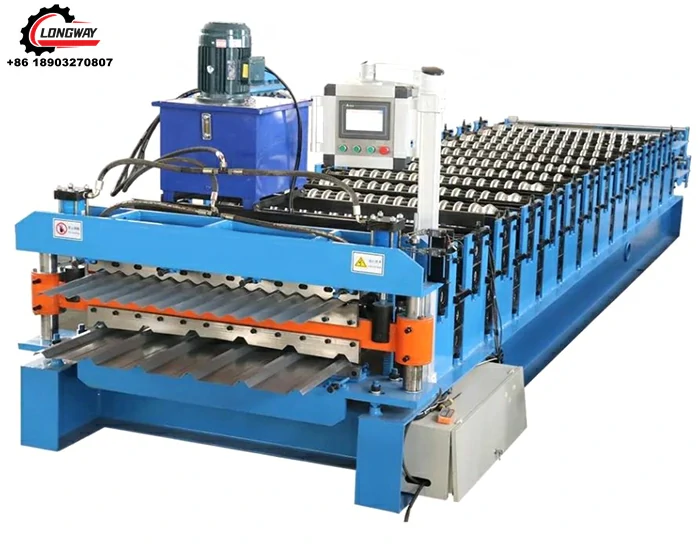
The core of these machines often involves a robust frame, several work rolls, and a precise hydraulic or electric drive system. Chinese manufacturers typically use high-quality Q235 steel for the machines' frame — not something you just toss together. The work rolls themselves are crafted from hardened chromium steel alloy to resist wear. I noticed that many engineers say this attention to materials makes a real difference in longevity, especially in continuous production lines.
Oddly enough, despite being an industrial staple, there's a good deal of variation in customization. For instance, some angle roll forming machines can tackle angles from as small as 30 degrees up to 180, with max thickness in the 10–16 mm range. That flexibility is crucial when clients’ specifications are all over the map.
Product Specifications at a Glance
| Specification | Details |
|---|---|
| Angle Range | 30° - 180° |
| Max Steel Thickness | 10-16 mm (varies by model) |
| Roll Station Number | 4 to 6 |
| Machine Weight | Around 3,000 kg |
| Drive Type | Hydraulic / Electric |
| Control System | PLC (optional touch screen) |
How China Brands Measure Up: A Quick Comparison
There's always a bit of apprehension about buying machinery from Chinese manufacturers, right? But in my experience, the top-tier vendors like LW Roll Forming Machine, YH Metal, and Shandong industry veterans have developed a competitive edge. Here's a quick rundown I put together based on specs, pricing, and after-sales service.
| Vendor | Price Range (USD) | Lead Time | Customization Options | After-Sales Support |
|---|---|---|---|---|
| LW Roll Forming Machine | $15,000 - $20,000 | 4-6 weeks | High (angle & thickness tailored) | Excellent (remote & onsite) |
| YH Metal | $13,000 - $18,000 | 5-7 weeks | Moderate | Good, Email & Phone |
| Shandong Industry | $14,000 - $19,000 | 3-5 weeks | Low to Moderate | Fair, Mostly Online |
Real-World Use and a Small Anecdote
One of my favorite practical stories involves a small fabrication shop outside Shenzhen. They invested in a China angle roll forming machine to meet their growing demand for custom steel profiles. The machine, supplied by LW Roll, helped them boost productivity by about 30% within the first month. The shop owner told me it "felt like upgrading from a bicycle to a motorcycle" — the speed, the precision, and the reduced scraps made all the difference.
Of course, no machine is perfect. The occasional fine-tuning on the hydraulic pressure or the control panel interface tweaks are typical. Still, that level of hands-on adjustment is part of the charm for many, especially when the machine delivers exactly what the specs promise.
Why Consider a China Angle Roll Forming Machine?
In a nutshell, you get solid engineering without the top-tier price tag that brands from Europe or the US often demand. Many of these machines have passed stringent tests for safety and durability. Plus, the manufacturers have improved decades-old designs—to the point where the return on investment feels quite real and measurable.
If you’re looking to invest in one for your plant, I’d suggest considering your project’s specific thickness needs and volume. Plus, confirm what after-sales support looks like — in real terms, good backup translates into less downtime and more confidence. Don’t underestimate how valuable that can be.
Anyway, that about sums up my take on the China angle roll forming machine. These machines are kind of the silent heroes behind many steel fabrication stories out there.
So, whether you’re a seasoned engineer or a fabricator dipping your toes into new tech, this machine deserves a look. It’s reliable, flexible, and frankly, surprisingly user-friendly.
Thanks for reading my reflections. Hope this helps you navigate your next equipment decision!
References
- LW Roll Forming Machine Official Technical Brochures, 2023
- Industry Reports on Metal Forming Machines, Industrial Equipment Journal, 2022
- On-site Customer Testimonies, Guangdong, 2023
-
High Precision Customized Z Purlin Roll Forming Machine GuideNewsApr.16, 2026
-
High Precision customized steel structure floor deck roll forming machineNewsApr.09, 2026
-
Comprehensive Guide to Customized Roof Tile Roll Forming Machine SolutionsNewsApr.07, 2026
-
Optimizing Metal Fabrication with a Customized Roll Forming Machine SolutionNewsApr.04, 2026
-
Comprehensive Guide to Customized Profile Roll Forming Machine SolutionsNewsMar.31, 2026
-
Customized Light Steel Keel Roll Forming Machine Solutions and ApplicationsNewsMar.28, 2026
-
Optimized Production with a Customized Double Layer Roll Forming Machine SolutionNewsMar.26, 2026