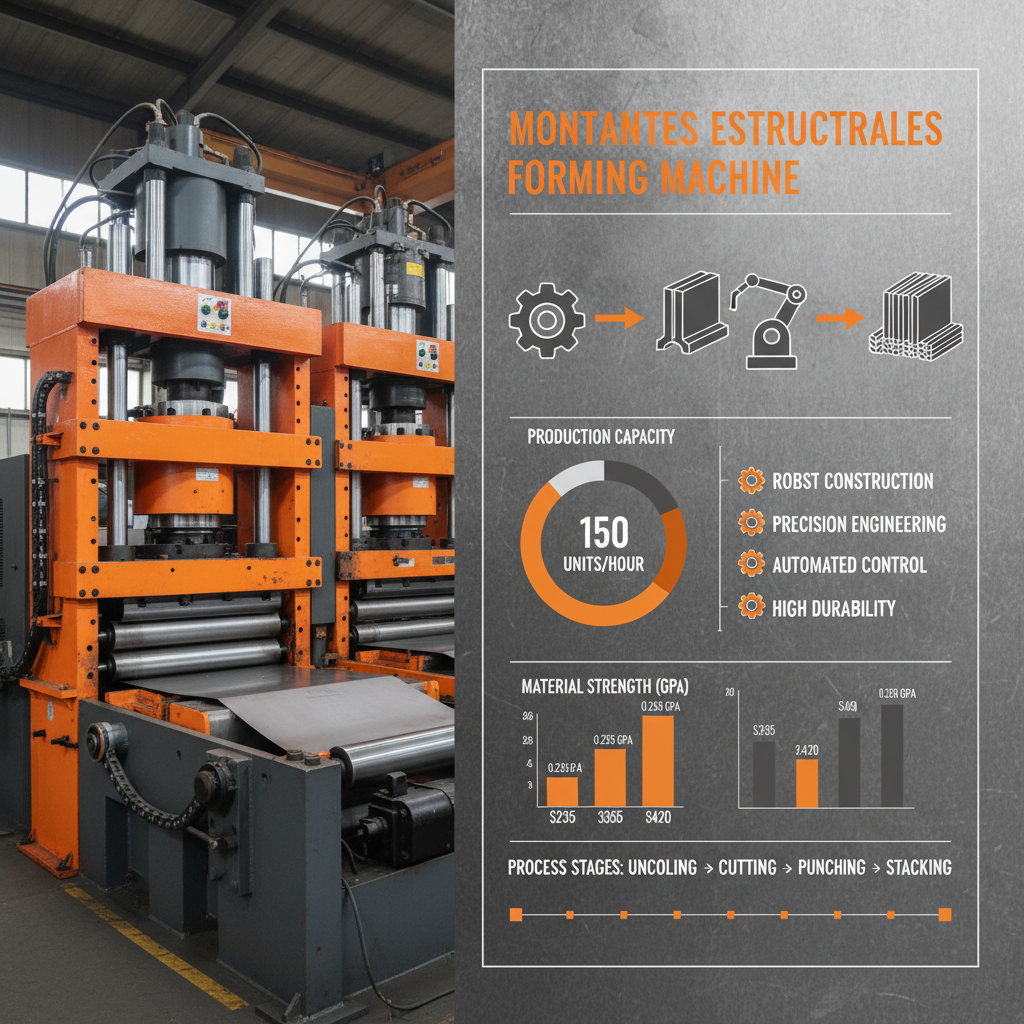
The global demand for automated security infrastructure has led to a significant surge in the procurement of specialized roll forming equipment. For many facility managers and industrial contractors, understanding the rolling shutter making machine price is no longer just about the initial capital expenditure, but about analyzing the total cost of ownership relative to production precision and energy efficiency.
This shift is driven by the need for tighter tolerances in shutter slat fabrication and the integration of PLC-controlled cutting systems. As architectural requirements for industrial buildings evolve, the ability to produce consistent, high-strength profiles becomes a critical competitive advantage for manufacturers, moving the focus from low-cost machinery to high-reliability engineering.
In this technical analysis, we will examine the primary drivers of equipment costs, the engineering specifications that justify price variances, and how to evaluate a system's ROI based on material throughput and operational longevity.


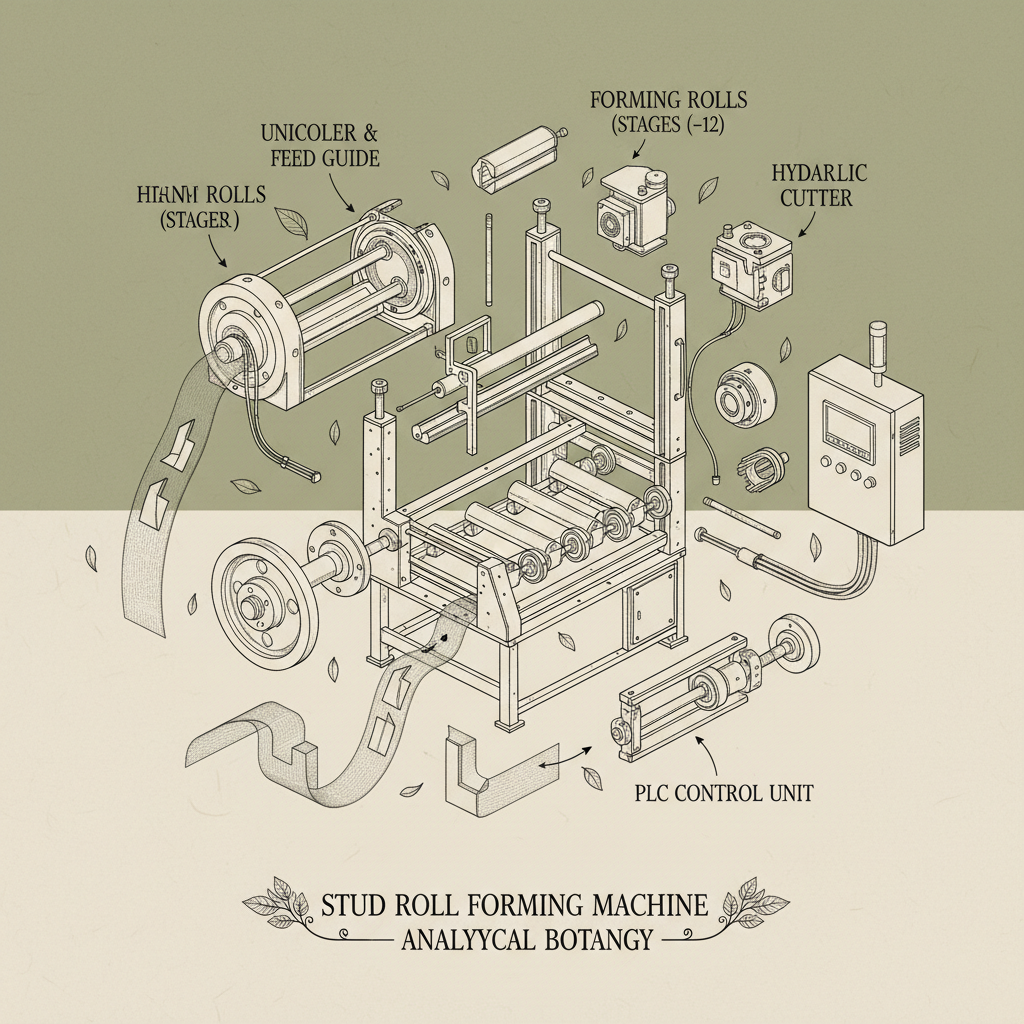
Modern shutter fabrication relies on a sequence of precision rollers that incrementally bend the metal coil into a specific profile. The structural integrity of the machine frame—often utilizing H-beam structures—is essential to prevent deflection under high tonnage, ensuring that the slats remain perfectly straight over long production runs.
The synchronization between the uncoiling unit, the forming stations, and the hydraulic cutting system determines the final quality of the product. A misalignment of even a fraction of a millimeter in the forming shaft can lead to skewed slats, which increases waste and negatively impacts the operational cost of the facility.
When evaluating the rolling shutter making machine price, buyers must distinguish between "sticker price" and "engineering value." The use of high-grade 45# forged steel for rollers, combined with professional heat treatment, significantly extends the lifespan of the forming stations, reducing the frequency of costly downtime for roller replacement.
Another critical cost driver is the control system architecture. Systems utilizing Delta PLC and Inverters provide superior synchronization and a more intuitive touch-screen interface compared to basic manual controls. This automation reduces human error during the length-set cutting process, which is vital for maintaining tight tolerances in large-scale projects.
Furthermore, the drive mechanism—whether it is a single or double chain drive—impacts the machine's ability to handle thicker gauges of PPGI or GI steel. A reinforced transmission system allows for higher torque and stability, which is essential for industrial-grade shutters that must withstand extreme environmental pressures.
The durability of a roll forming machine is primarily dictated by the hardness and wear resistance of its rollers. Low-cost machinery often uses untreated carbon steel, which wears down rapidly, leading to a loss of profile precision and an increase in surface scratches on the finished slats.
Additionally, the implementation of a separate rolling design concept helps in releasing internal stresses from the sheets. By distributing the bending force across more stations, the machine prevents "spring-back" and ensures that the final product adheres strictly to the technical drawings, such as the standard 40mm wave height seen in TR4 profiles.
The relationship between the initial investment and long-term productivity is non-linear. While a budget machine may seem attractive, the "hidden costs" associated with slower forming speeds (often below 10m/min) and higher scrap rates can quickly outweigh the savings.
High-efficiency systems, featuring forming speeds of 15-20m/min and hydraulic pillar-type cutting, allow operators to meet aggressive deadlines without compromising on the quality of the cut. This throughput capability is the primary metric used to calculate the amortization period of the equipment.
In a typical industrial deployment, the roll forming machine must integrate seamlessly with an uncoiling line and a receiving table to maintain a continuous workflow. For high-volume producers, the inclusion of a hydraulic curve machine—often offered as a package solution—allows for the creation of curved panels on the same line, significantly expanding the product range for hotel and exhibition construction.
Operational stability in these environments depends on the machine's frame thickness and welding quality. A 18mm welded steel structure ensures that the machine does not vibrate or shift during high-speed operation, which is critical for maintaining a consistent 0.3-0.6mm thickness range across the entire length of the produced sheet.
The industry is currently moving toward "Smart Manufacturing" where IoT sensors are integrated directly into the forming shafts to monitor wear in real-time. This predictive maintenance approach will allow operators to replace rollers before they fail, eliminating unplanned downtime and further optimizing the long-term rolling shutter making machine price by reducing emergency repair costs.
Furthermore, there is a growing trend toward multi-profile machines that can be quickly adjusted to produce different rib configurations (from TR4 to TR6). This flexibility is becoming a requirement for manufacturers who serve diverse markets, ranging from residential family construction to heavy industrial warehousing.
We also anticipate a shift toward more energy-efficient motor systems. Replacing standard 5.5kw motors with high-efficiency inverter-driven systems can reduce energy consumption by significant margins while providing more precise control over the feeding speed.
Choosing the right machine configuration requires a balance between the required production volume and the budget. A basic configuration may suffice for small-scale village construction, but high-duty industrial applications demand a more robust architecture.
The following matrix provides an engineering framework for evaluating different system tiers. It focuses on the trade-offs between material grade, control systems, and the resulting production capability.
It is essential to remember that the highest reliability is achieved when the machine frame, the roller material, and the PLC control system are matched in quality; a high-end PLC on a weak frame will not prevent profile deflection.
| Configuration Tier | Roller Material | Control System | Recommended Use Case |
|---|---|---|---|
| Basic Entry | Standard Carbon Steel | Manual/Semi-Auto | Low-volume residential |
| Standard Duty | Hardened Steel | Basic PLC | Small workshop production |
| Professional | 45# Forged Steel | Delta PLC + Touch | Commercial shutter supply |
| Industrial High-Duty | Heat-Treated Forged | Advanced PLC/Inverter | 24/7 Factory operation |
| Precision Custom | Ultra-Hardened Alloy | Closed-loop Control | High-spec aerospace/med |
| Automated Line | Integrated Forged | Full ERP Integration | Mass-market manufacturing |
The price is primarily driven by the grade of the roller materials (e.g., 45# forged steel vs. carbon steel), the robustness of the machine frame (H-beam thickness), the sophistication of the control system (PLC and inverter brands), and the total number of forming stations. Higher precision and speed capabilities require more expensive components and more rigorous heat treatment processes for the rollers.
The hardness and coating of the raw material (PPGI, PPGL, or GI) directly impact the friction levels on the rollers. Thicker gauges or harder alloys increase the mechanical stress on the forming shafts. Using high-grade heat-treated rollers is essential to prevent premature wear and maintain profile accuracy when processing high-gauge steel coils.
A separate rolling design allows the metal sheet to release internal stresses more gradually as it moves through the forming stations. This prevents the finished slats from twisting or warping after they are cut, ensuring that the product maintains high precision and a consistent shape, which is critical for the smooth operation of the final shutter door.
Yes, most professional manufacturers can customize the forming rollers and the number of stations to match specific profile drawings. For example, if a project requires a different wave height than the standard 40mm, the roller diameters and station spacing must be recalculated and manufactured to ensure the correct bend radius and profile accuracy.
Key maintenance includes regular lubrication of the chain drives and forming shafts, checking the alignment of the rollers, and verifying the calibration of the hydraulic cutting system. Inspecting the rollers for surface wear every few months allows for timely refurbishment, preventing the production of defective slats and extending the overall equipment life.
ROI should be calculated by comparing the increase in production speed (m/min) and the decrease in material scrap rates against the initial price difference. A machine that produces zero defects and operates 20% faster can often pay for the price premium within the first year of operation through increased output and lower waste costs.
The evaluation of a rolling shutter making machine price must transition from a simple cost analysis to a technical value assessment. The integration of high-grade 45# forged steel, Delta PLC controls, and a reinforced H-beam structure represents an investment in operational stability and product quality that directly impacts the manufacturer's bottom line.
For those scaling their production to meet industrial demands, prioritizing the precision of the forming process and the durability of the components is the only way to ensure long-term viability. Selecting a partner with extensive R&D experience in cold roll forming is the most reliable path to achieving sustainable production growth.