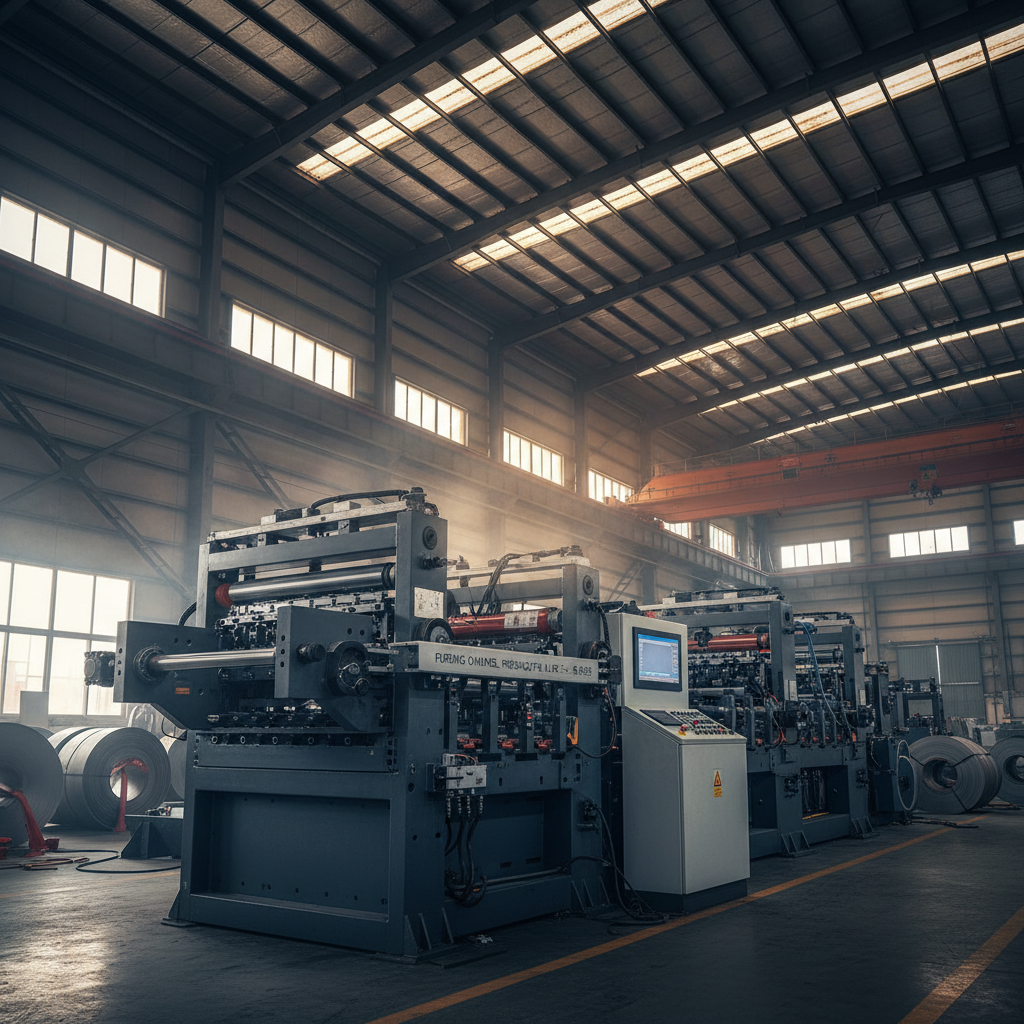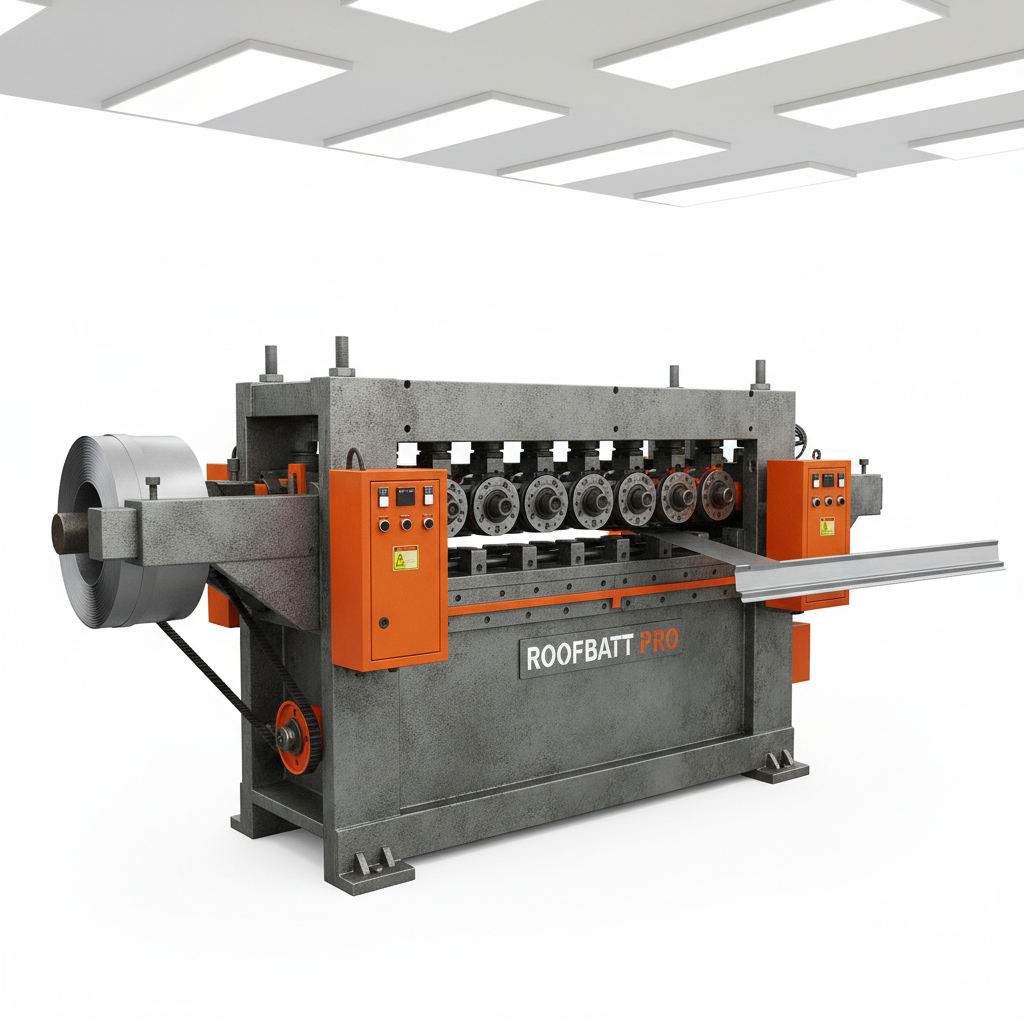
Understanding the roofing sheet making machine price requires a comprehensive look at the technical specifications and operational capabilities that drive cost variations in the roll forming industry. Whether you are looking for a TR4, TR5, or TR6 profile, the investment is determined by the precision of the rollers, the automation level of the PLC system, and the durability of the structural frame.
For many manufacturers, the challenge lies in balancing initial capital expenditure with long-term production efficiency. A low-cost machine may lead to higher waste rates and frequent maintenance, whereas a high-specification system ensures consistent profile geometry and higher throughput, directly impacting the return on investment for industrial building projects.
This guide provides a detailed analysis of the factors influencing pricing, technical breakdowns of the TR series roll formers, and a strategic procurement framework to help you select the most cost-effective equipment for your specific production needs.

1Understanding Roll Forming Cost Drivers

The roofing sheet making machine price is primarily influenced by the quality of the forming rollers and the robustness of the machine frame. High-grade 45# forged steel is typically used for rollers to prevent wear and tear during high-volume production. Additionally, the complexity of the profile—such as the number of ribs in TR4 or TR6 panels—requires a specific number of forming stations, which directly affects the manufacturing cost of the machine.
Another critical factor is the level of automation. Machines equipped with Delta PLC and touch screen interfaces offer higher precision in length-set cutting and easier operational adjustments compared to manual systems. This automation reduces labor costs and minimizes human error during the hydraulic cutting process.
Material compatibility also plays a role. A machine designed to handle a wide range of materials, from PPGI to PPGL and GI, with thickness ranges from 0.3mm to 0.6mm, requires more precise calibration of the rollers to maintain profile integrity across different gauges.
2Technical Specifications of TR Series Machines
The TR4, TR5, and TR6 machines are engineered to produce trapezoidal roof panels with specific rib configurations. The TR4 profile, characterized by 4 waves and a wave height of 40mm, is highly sought after for industrial buildings due to its ability to be curved using a hydraulic curve machine, offering versatility in architectural design.
From a mechanical perspective, the use of a 75mm solid shaft with heat treatment ensures that the forming line does not deflect under the pressure of the rolling process. Combined with a chain drive (1 inch double chain) and a powerful 5.5kw main motor, these machines can maintain a steady forming speed of 15-20m/min.
The integration of a hydraulic pillar-type cutter allows for precise, clean cuts that prevent deformation at the edges of the panel, which is critical for seamless installation on construction sites.
3Practical Applications in Industrial Construction
Trapezoidal panels produced by TR series machines are widely utilized in diverse scenarios, including hotels, exhibition halls, and vacation villages. Their classical appearance and structural strength make them an ideal choice for both industrial roofing and outdoor decorating. The ability to customize the profile dimensions allows manufacturers to meet specific regional standards, such as the Peru TR4 standard.
In large-scale family constructions and village projects, the efficiency of the production line—from uncoiling and feeding to roll forming and hydraulic cutting—determines the project timeline. The ability to produce custom lengths on-demand reduces transportation costs and material waste.
The versatility of the machinery allows for the production of both cladding wall panels and roofing sheets, enabling a single production line to serve multiple architectural needs within a single construction project.
4Operational Efficiency and Performance Metrics
Evaluating the performance of a roll forming machine involves analyzing the relationship between forming speed and profile precision. While a speed of 20m/min is standard, the critical metric is the "shape retention" of the panel after it leaves the 20-row forming station. High-precision machines minimize the "spring-back" effect of the steel.
Energy consumption is another key consideration. The use of inverters (such as Delta inverters) helps in optimizing power usage during the start-stop cycles of the hydraulic cutter, reducing the overall operational cost per meter of produced sheet.
roofing sheet making machine price Performance Metrics
Maintenance intervals are typically determined by the wear on the rollers. Using forged steel and heat-treated shafts extends the lifespan of the equipment, reducing the frequency of costly roller replacements and minimizing production downtime.
5Procurement Guide for Metal Roofing Equipment
When analyzing the roofing sheet making machine price, procurement teams should evaluate the total cost of ownership (TCO). This includes not only the purchase price but also the installation costs, training requirements, and the availability of after-sales service. A comprehensive package solution often includes the machine, installation guidance, and free training.
Verify the structural integrity of the machine frame. A 350mm H-beam structure with 18mm welded steel plates provides the necessary rigidity to prevent vibration at high speeds, which is a common flaw in cheaper, lightweight frames.
Finally, confirm the control system's compatibility with your local power requirements (e.g., 380v/3ph/50hz) to avoid the need for expensive transformers or electrical modifications during installation.
6Industry Trends in Cold Roll Forming
The industry is moving toward higher levels of integration, where slitting lines and roll forming machines are linked in a single automated flow. This reduces the manual handling of heavy coils and increases the overall throughput of the factory. There is also a growing demand for customized profiles that combine structural strength with aesthetic appeal for modern architecture.
Sustainability is becoming a key driver, with a focus on reducing scrap material during the cutting process. Precision PLC-controlled length-set cutting is now a standard requirement to ensure that material waste is kept to an absolute minimum.
Additionally, the expansion of infrastructure in South America, North America, and Europe is driving the demand for machines that comply with international quality standards, pushing manufacturers to improve the grade of materials used in roller production.
7Comparing Equipment Configurations
Choosing between different configurations depends on the intended volume of production and the variety of profiles required. A basic setup may focus solely on a single profile, whereas a versatile factory might invest in a range of machines including C & Z purlin machines and standing seam roof panel machines.
The table below compares typical configuration tiers based on the technical requirements of different production scales.
| Feature | Entry-Level | Professional (TR Series) | Industrial Grade |
|---|---|---|---|
| Frame Structure | Light Steel | 350mm H-Beam | Heavy-Duty Reinforced |
| Roller Material | Standard Steel | 45# Forged Steel | Tungsten Carbide Coated |
| Control System | Manual/Basic | Delta PLC + Touch Screen | Fully Automated Integrated |
| Cutting Method | Mechanical | Hydraulic Pillar | Servo-Driven Precision |
| Forming Speed | 10-12m/min | 15-20m/min | 25m+/min |
| Profile Accuracy | Standard | High Precision | Ultra-High Precision |
For most commercial operations, the Professional tier—featuring the specifications of the TR4/5/6 machines—provides the optimal balance between investment cost and production quality.
Frequently Asked Questions
Conclusion
Investing in a high-quality roll forming system is a strategic decision that impacts both production quality and long-term profitability. By focusing on critical technical elements—such as the 350mm H-beam frame, 45# forged steel rollers, and integrated PLC controls—manufacturers can ensure they produce consistent, high-precision trapezoidal panels that meet international standards.
For those evaluating the most suitable roofing sheet making machine price and configuration for their business, exploring detailed product specifications and expert technical support is recommended. You can find more information about these industrial solutions at www.lwrollformingmachine.com.