When budgeting for a new metal roofing line, the standing seam machine price is often the primary point of inquiry for contractors and industrial builders. However, the cost is rarely a standalone figure; it is a reflection of the machine's precision, material compatibility, and the specific profile requirements of a project. Understanding the variables that drive these costs is essential for ensuring that the investment aligns with the expected production output and structural integrity of the final roofing installation.
The financial commitment involves more than just the initial purchase. For professionals operating in the metallurgical equipment sector, the total cost of ownership includes the integration of ancillary systems such as uncoiling units and hydraulic curving machines. Since standing seam profiles are designed for high-performance waterproofing and thermal expansion, the machinery used to create them must maintain rigorous tolerances. This precision directly influences the efficiency of the entire workflow, from the raw coil feeding to the final hydraulic cut.
Navigating the market requires a balance between upfront expenditure and long-term operational reliability. By analyzing the technical specifications and the manufacturer's engineering approach, buyers can determine if a specific standing seam machine price offers genuine value. This guide examines the technical drivers of cost, performance metrics, and the practical considerations necessary for selecting a roll forming system that supports sustainable industrial growth.


Standing seam roll forming is a cold-process manufacturing technique where metal coils are passed through a series of sequentially arranged rollers. These rollers gradually bend the metal into a specific profile characterized by a prominent vertical seam that stands above the roof surface. This design eliminates the need for piercing the metal with fasteners, significantly reducing the risk of leaks and enhancing the structural longevity of the building envelope.
The core of the system relies on the precise alignment of the forming shafts and the quality of the rollers. For instance, using high-grade 45# forged steel for rollers ensures that the machine can handle various gauges of PPGI or PPGL materials without excessive wear. A separate rolling design concept is often employed to release internal stress from the sheets, which prevents warping and ensures the finished panel maintains a high degree of precision across its entire length.
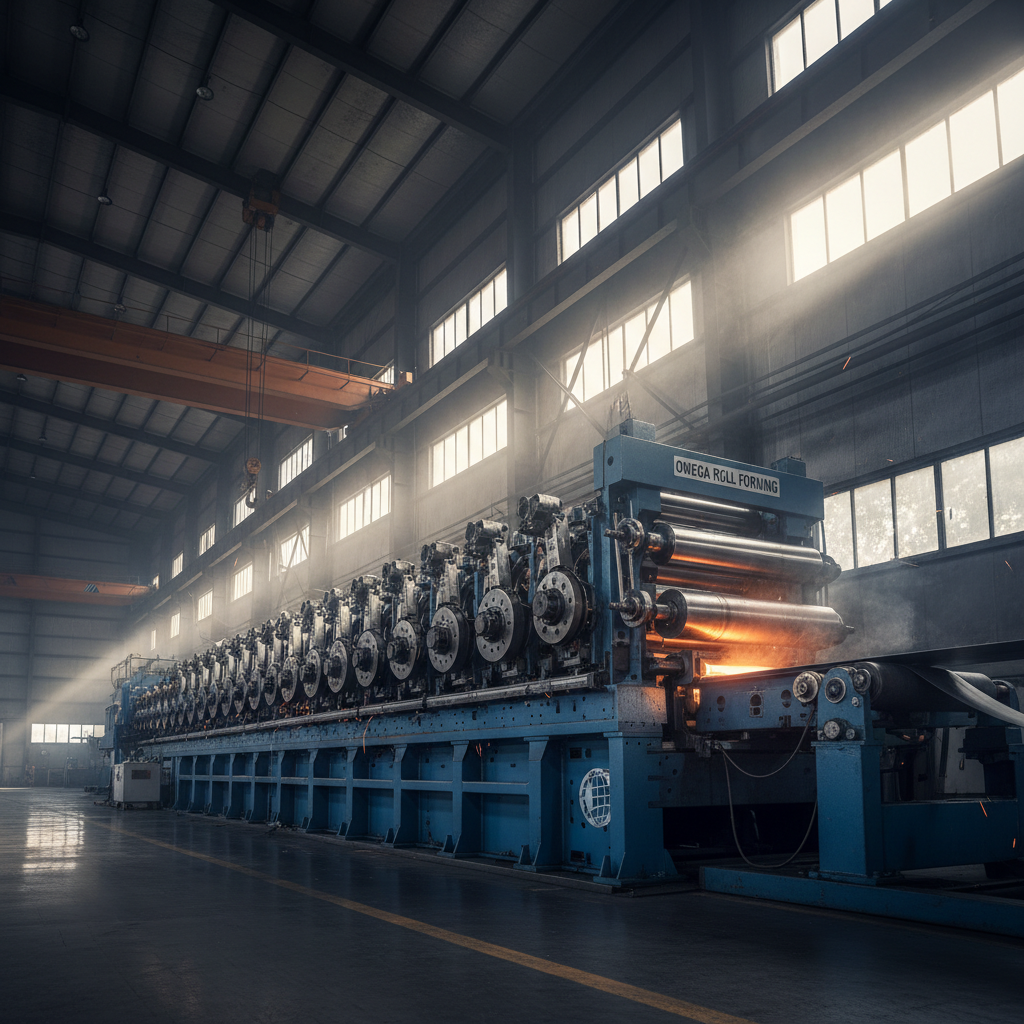
Several technical variables directly dictate the final cost of a roll forming line. The complexity of the profile—such as the number of ribs or the height of the wave—determines the number of forming stations required. A machine with 20 rows of forming stations provides a more gradual bend, which is critical for maintaining the integrity of the coating on high-gauge steel sheets. The use of solid shafts with heat treatment further increases durability but adds to the initial manufacturing cost.
The integration of PLC Delta control systems and touch screen interfaces shifts the machine from a manual operation to a precision-driven automated process, reducing labor costs and material waste through accurate length-set cutting.
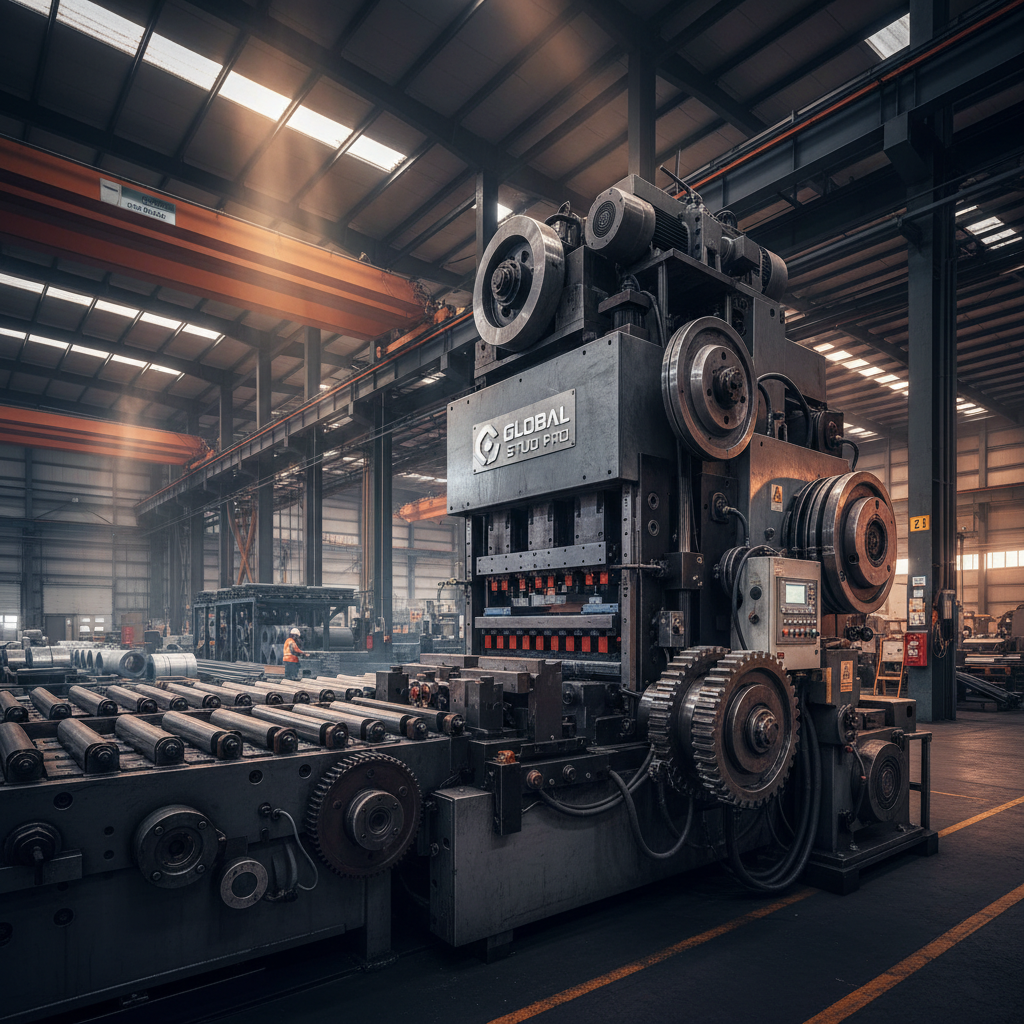
Furthermore, the structural robustness of the machine frame plays a vital role. A frame constructed from 350mm H-beam structures with 18mm welded steel provides the necessary rigidity to prevent vibration during high-speed operation. When buyers evaluate the standing seam machine price, they must consider these structural details, as a flimsy frame will lead to profile deviations and increased maintenance intervals over the machine's lifecycle.
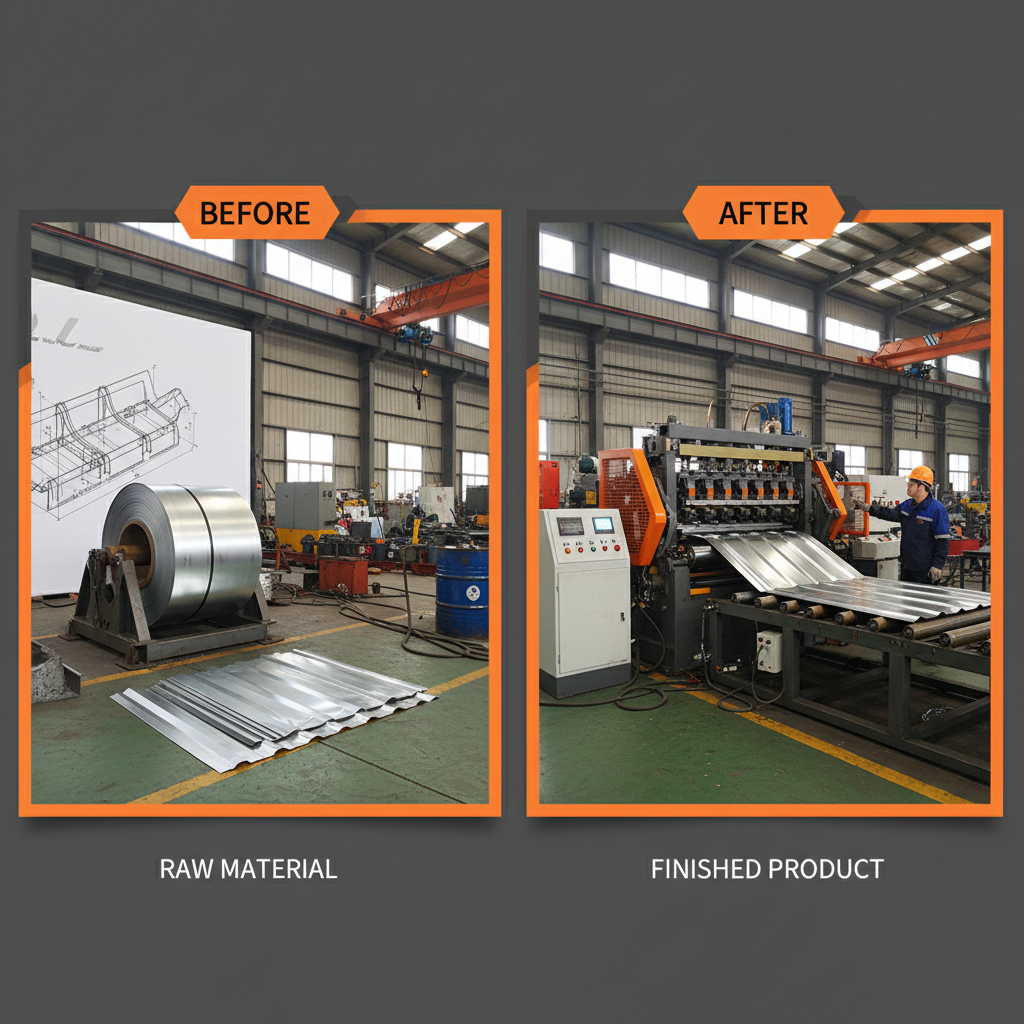
The true value of a standing seam system is measured by its throughput and the quality of the output. A forming speed of 15-20m/min allows for rapid production cycles, which is essential for large-scale industrial projects. When combined with a hydraulic pillar-type cutting system, the machine can produce panels with exact dimensions, minimizing the need for manual trimming on-site and accelerating the overall construction timeline.
Efficiency is also tied to the versatility of the raw materials the machine can process. The ability to handle thickness ranges from 0.3mm to 0.6mm (30-22 Gauge) ensures that the manufacturer can serve a wide variety of clients, from residential home builders to industrial warehouse contractors. This versatility expands the market reach and improves the return on investment by maximizing the machine's utilization rate across different project types.
Standing seam panels are primarily utilized in environments where long-term weatherproofing and architectural aesthetics are paramount. In industrial settings, they are the preferred choice for factories and warehouses due to their ability to span large areas without mid-span fasteners. The inherent strength of the standing seam profile allows these panels to withstand high wind loads and heavy snow accumulation, making them ideal for regions with extreme climates.
Beyond industrial use, these panels are increasingly popular in commercial and residential architecture, including hotels, exhibition centers, and vacation villas. The classical appearance and grace of the finished product provide a modern look while ensuring a leak-proof seal. When these machines are paired with hydraulic curving equipment, they can produce curved roof panels, opening up design possibilities for domes and arched structures in high-end architectural projects.
The industry is moving toward more customized profile solutions to meet specific regional standards. For example, the Peru TR4 standard profile requires a specific wave height of 40mm and exactly four waves. Engineering a machine to meet these localized specifications requires advanced R&D and a deep understanding of the metallurgy of the coil materials used in different global markets.
Technological advancements are also focusing on the reduction of internal stress during the forming process. By optimizing the distance between forming stations and utilizing double-chain drive transmissions, manufacturers can achieve higher precision. This evolution reduces the "spring-back" effect of the metal, ensuring that the panel remains perfectly straight and the seams fit tightly during the interlocking process on the roof.
Future developments are likely to involve more integrated smart sensors that can detect material thickness variations in real-time and adjust the roller pressure accordingly. This level of automation will further decrease the margin of error and allow for even thinner materials to be formed without risking surface deformation or structural failure.
One of the most common challenges in setting up a roll forming line is the synchronization between the uncoiler and the forming machine. If the feeding is inconsistent, it can lead to material bunching or surface scratches. The solution lies in implementing a coordinated feeding system that ensures the material enters the first forming station at a constant tension and speed.
Another critical issue is the wear and tear of the rollers, especially when processing high-strength alloys. To mitigate this, the use of heat-treated forged steel is non-negotiable for industrial-grade machines. Regular maintenance schedules and the use of high-quality lubricants on the chain drives are essential to prevent mechanical failure and maintain the precision of the profile over thousands of meters of production.
Finally, power requirement compatibility can be a hurdle for international buyers. Since most industrial machines are designed for 380v/3ph/50hz, customization of the electrical cabinet is often necessary to match the local grid. Ensuring that the inverter and PLC are from reputable brands like Delta ensures that spare parts are available globally, reducing potential downtime for the operator.
| Feature | Standard Grade | Industrial Grade | Premium Custom |
|---|---|---|---|
| Roller Material | Cold Rolled Steel | 45# Forged Steel | Tungsten Carbide |
| Frame Structure | Light Plate | 350mm H-Beam | Reinforced Heavy Beam |
| Control System | Manual/Relay | PLC Delta + Touch | Integrated AI-PLC |
| Forming Speed | 10-12 m/min | 15-20 m/min | 25+ m/min |
| Cutting Type | Manual Shear | Hydraulic Pillar | Servo-Driven Cut |
| Shaft Treatment | Plain Polished | Heat Treated Solid | Chrome Plated Solid |
The price is primarily driven by the complexity of the profile design, the quality of the materials used in the rollers and frame, and the level of automation. For example, a machine using 45# forged steel rollers and a PLC Delta control system will be more expensive than a basic manual machine but will offer significantly higher precision and longevity. Additionally, the number of forming stations required to achieve a specific rib height without stressing the metal also impacts the total cost.
Generally, a roll forming machine is designed for one specific profile. To produce a different profile, the rollers would need to be replaced. However, some custom systems are designed with interchangeable roller cassettes. For most industrial applications, manufacturers purchase specific machines for different standards, such as the TR4 or TR5 profiles, to ensure maximum precision and avoid the downtime associated with changing rollers.
A separate rolling design is used to release internal stress from the metal sheets as they are formed. If the metal is bent too sharply or too quickly in a tight sequence, it can develop internal tension that causes the panel to bow or warp after it is cut. By separating the rolling process, the machine ensures the sheet remains flat and the profile dimensions remain consistent across the entire length of the panel.
PPGI (Pre-painted Galvanized Steel), PPGL (Pre-painted Galvalume Steel), and GI (Galvanized Steel) are the most common materials. The choice depends on the required corrosion resistance and the architectural aesthetic. PPGL is often preferred for its superior weather resistance in coastal areas, while PPGI offers a wide range of color options for commercial buildings. The machine must be calibrated to handle the specific gauge (thickness) of these materials, typically between 0.3mm and 0.6mm.
The hydraulic pillar-type cutting system allows for precise, automated length-set cutting. Instead of manually measuring and shearing the metal, the operator enters the required length into the PLC touch screen, and the machine automatically cuts the panel. This eliminates human error, significantly reduces material waste, and allows the production line to run continuously without stopping for manual measurements.
Regular maintenance includes lubricating the double chain drive system, checking the alignment of the forming shafts, and inspecting the rollers for wear. Because these machines operate under high pressure, ensuring the H-beam structure remains securely anchored and the hydraulic fluid levels are maintained is critical. Periodic calibration of the PLC system ensures that the cutting lengths and forming precision remain within the required tolerances.
Investing in a standing seam roll forming system is a strategic decision that balances initial capital expenditure against long-term production quality. As analyzed, the standing seam machine price is a reflection of the engineering precision, from the 45# forged steel rollers to the PLC-driven automation. By prioritizing structural rigidity and material compatibility, manufacturers can ensure that their output meets international standards and provides lasting value to the end customer in the construction industry.
Selecting a partner with a proven track record in R&D and global deployment is key to avoiding costly integration errors. For those seeking a reliable solution that combines technical expertise with lifetime after-sales service, exploring the capabilities of specialized equipment providers is the best next step. You can learn more about high-precision roll forming technology and customized profile solutions by visiting www.lwrollformingmachine.com to find a system that matches your specific production needs.