For procurement managers and industrial engineers, determining the true roll forming machine price involves far more than comparing initial quotes. The cost of cold-roll forming equipment is a complex variable influenced by profile complexity, material thickness requirements, and the desired level of automation.
Whether you are sourcing a C & Z purlin machine for structural steel projects or a specialized TR4 metal roofing panel line, the investment represents a long-term operational commitment. A lower entry price often masks higher long-term costs associated with roller wear and imprecise tolerances.
Understanding the cost drivers allows buyers to optimize their ROI by balancing technical specifications with production goals. This guide breaks down the economic logic and technical variables that dictate the pricing of modern roll forming systems.

Analyzing the Primary Drivers of Roll Forming Equipment Costs

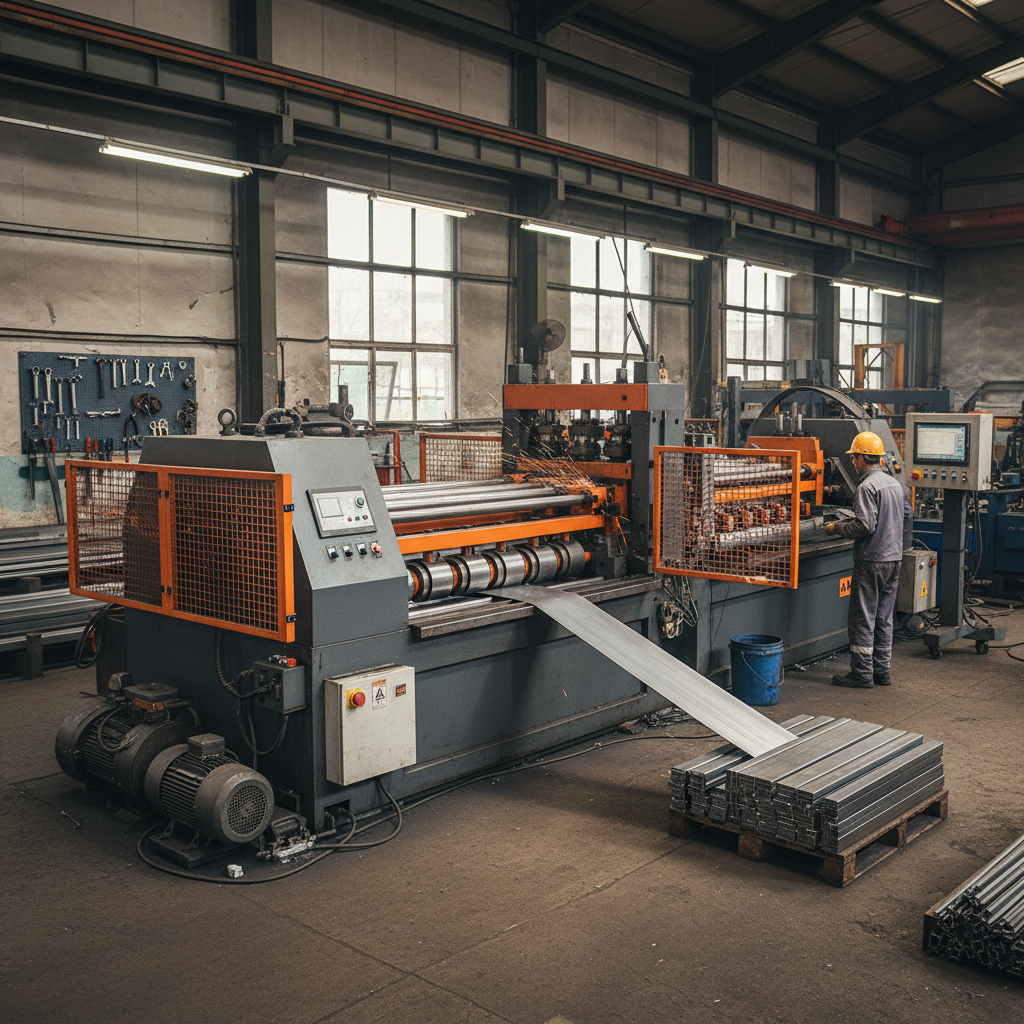
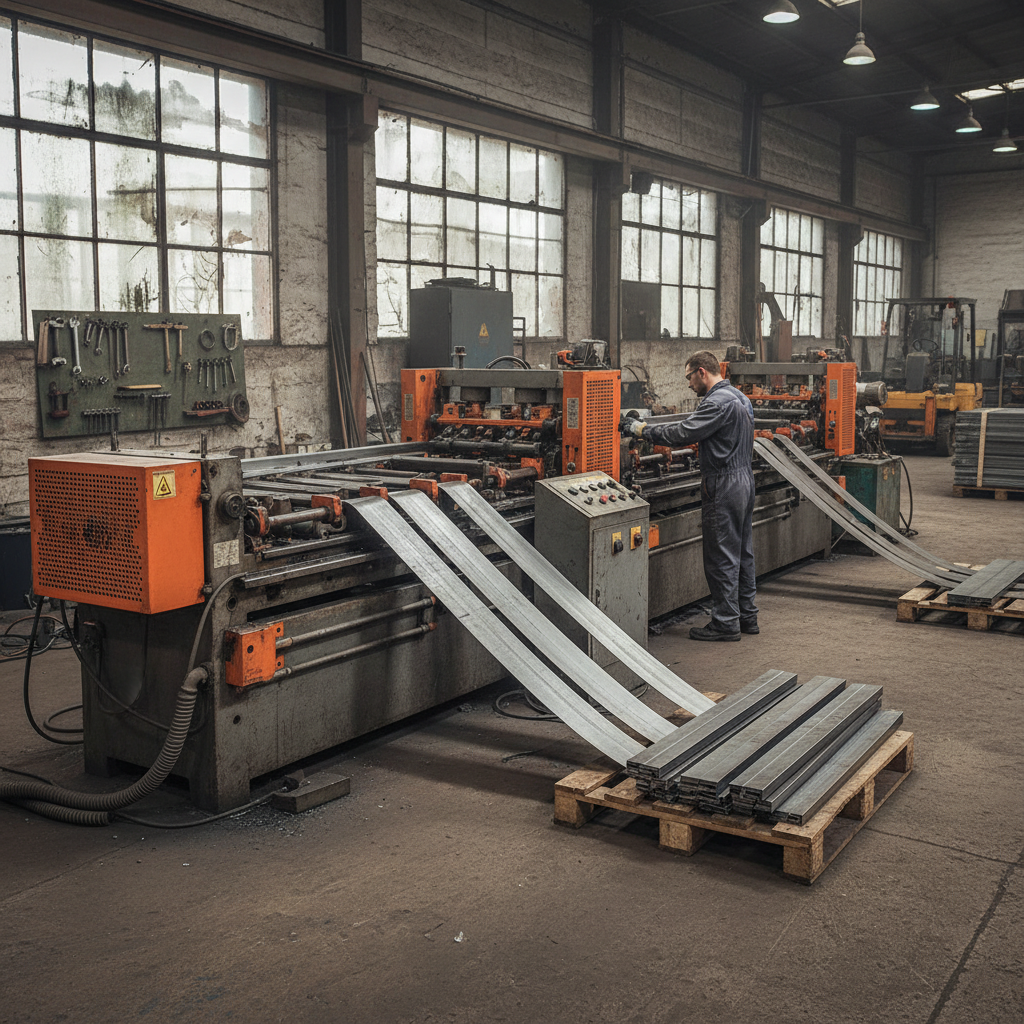
The price of a roll forming machine is primarily dictated by the complexity of the profile and the precision required for the final product. A basic corrugated roofing sheet machine requires fewer forming stations and simpler roller geometries compared to a double layer roll forming machine or a high-precision stud and track system.
Material constraints also play a significant role; machines designed to handle thicker gauges of galvanized steel or high-strength alloys require more robust frames and higher-torque motors. For instance, using a 350mm H-beam structure for the machine frame increases stability and reduces vibration, which justifies a higher price point but ensures longer equipment life.
Furthermore, the integration of control systems—such as PLC Delta and inverter technology—shifts the cost from mechanical hardware to electronic intelligence, allowing for automated length-set cutting and higher production speeds.
Technical Specifications That Directly Impact Machine Investment
The metallurgy of the rollers is perhaps the most critical hidden cost factor. High-grade 45# forged steel rollers with specialized heat treatment prevent premature deformation, which is essential for maintaining tight tolerances over thousands of meters of production.
The "Separate Rolling" design concept further influences the price. By releasing internal stress from the sheets during the forming process, the machine produces shapes with higher precision and less spring-back, though this requires more complex engineering and additional stations.
Additionally, the type of cutting mechanism—hydraulic pillar type versus mechanical shear—alters both the upfront cost and the operational flexibility, particularly when dealing with varying material thicknesses like 0.3mm to 0.6mm gauge steel.
Application-Specific Cost Variations Across Industrial Profiles
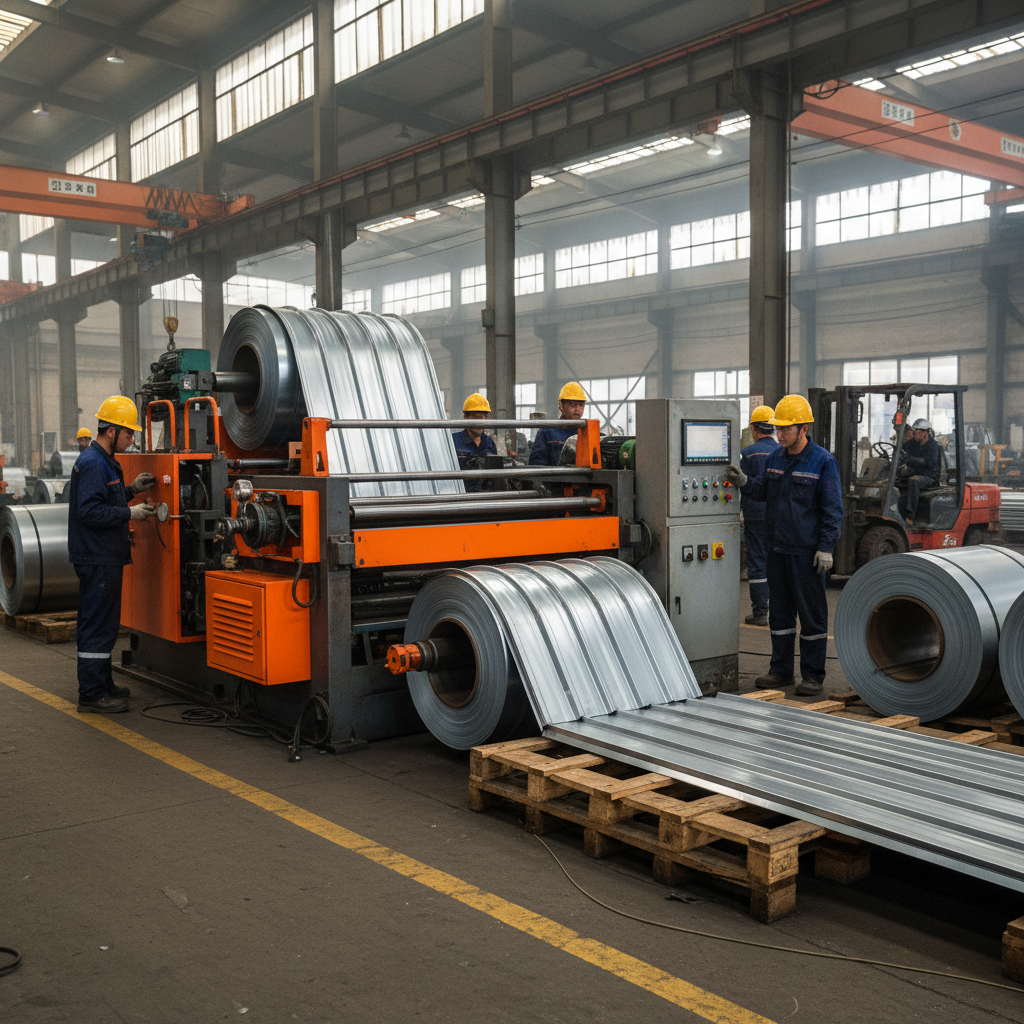
Different industrial applications demand vastly different machine architectures. A TR4 roofing panel machine, for example, is designed for trapezoidal profiles with 4 to 6 ribs and often requires a companion hydraulic curve machine to produce arched roof sections, increasing the total package price.
In contrast, C and Z purlin machines are engineered for structural load-bearing profiles, requiring significantly more power and heavier-duty transmission systems, often utilizing double chain drives to handle the higher torque necessary for structural beams.
Specialized equipment like floor deck roll forming machines or standing seam roof panel machines incorporate unique sealing and locking mechanisms that add complexity to the roll forming process, thereby increasing the capital expenditure compared to simple gutter or downspout machines.
Comparing Operational Efficiency and Long-Term Value Metrics
When evaluating the value of a roll forming investment, one must look beyond the purchase price to the cost per meter produced. High-efficiency machines with forming speeds of 15-20m/min significantly reduce the labor cost per unit.
The following data represents a relative performance comparison between standard industry-grade equipment and high-specification systems optimized for precision and speed.
roll forming machine price Performance Metrics
As illustrated, while the initial investment for high-spec machines is higher, the gains in production stability and the reduction in material waste provide a much faster path to profitability in high-volume environments.
Strategic Procurement Considerations for Industrial Cold-Roll Formers
Procurement should focus on "Total Cost of Ownership" (TCO). This includes not only the machine price but also installation, operator training, and the cost of consumables. A machine with a 2-year warranty and lifetime after-sales service reduces the financial risk of unplanned downtime.
Buyers should verify the frame thickness and the type of steel used in the support plates. A 18mm welded steel middle support plate provides the rigidity needed to prevent frame deflection, which is a common cause of profile warping in lower-cost machines.
Additionally, consider the flexibility of the system. Machines that allow for customized profile drawings or easy adjustment of the forming stations offer a future-proofing advantage as market demands for different profile heights or widths evolve.
Technological Shifts Influencing Future Equipment Pricing Trends
The integration of AI-driven diagnostics and IoT monitoring is likely to increase the initial price of roll forming machines but will drastically lower maintenance costs. Predictive maintenance can signal roller wear before it affects product quality.
We are also seeing a trend toward modular roll forming lines. Instead of a single monolithic machine, companies are investing in modular systems where the uncoiling, feeding, and cutting sections can be upgraded independently as production needs scale.
Furthermore, the adoption of new high-strength, low-alloy (HSLA) steels may require manufacturers to invest in higher-power motors and more durable roller coatings, which could push the average market price upward while increasing the structural capabilities of the produced profiles.
Decision Matrix for Selecting the Right Forming Solution
Selecting a machine requires matching the technical capability to the specific business model. A contractor focusing on residential roofing needs different equipment than a structural steel manufacturer producing purlins for industrial warehouses.
The table below compares different equipment categories based on their technical approach and typical cost drivers to assist in the selection process.
| Equipment Category | Core Technical Approach | Primary Cost Driver | Ideal Use Case |
|---|---|---|---|
| Roofing Panel Lines | Multi-rib separate rolling | Roller count & Coating | Residential/Industrial Roofs |
| Purlin Forming Systems | Heavy-duty torque transmission | Frame rigidity & Motor power | Structural Steel Framing |
| Stud & Track Machines | High-precision gauge control | PLC automation level | Drywall & Interior Partitions |
| Floor Decking Lines | High-tension forming | Shaft diameter & Material | Composite Slab Construction |
| Custom Profile Lines | Adjustable roller stations | Engineering & Design time | Specialized Architectural Parts |
| Gutter/Downspout Gear | Simple bend sequence | Production speed/footprint | Exterior Drainage Systems |
Ultimately, the optimal choice is one where the machine's technical limits align with your peak production requirements without over-investing in unnecessary capacity.
Frequently Asked Questions
Conclusion
Evaluating a roll forming machine price requires a shift in perspective from "cost of purchase" to "cost of production." By prioritizing structural rigidity, high-grade roller metallurgy, and intelligent control systems, manufacturers can ensure that their investment yields high-precision profiles with minimal waste over the equipment's entire lifecycle.
For those analyzing specific equipment needs, from C & Z purlins to TR4 roofing panels, reviewing the technical capabilities and service support available through www.lwrollformingmachine.com can provide the necessary context to make an informed procurement decision.