China Purlin Roll Forming Machine Factory | Quality & Custom Options
Discovering the China Purlin Roll Forming Machine Factory Scene
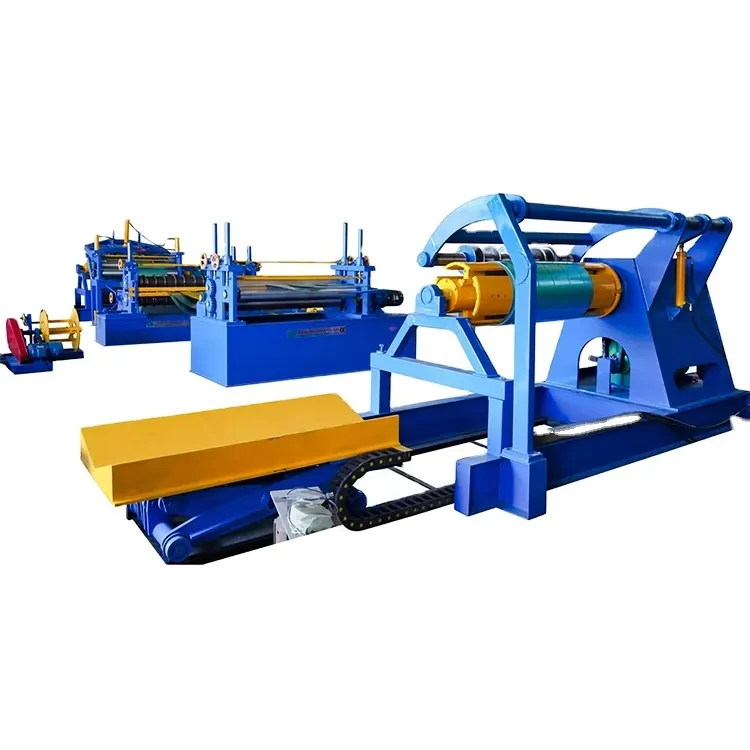
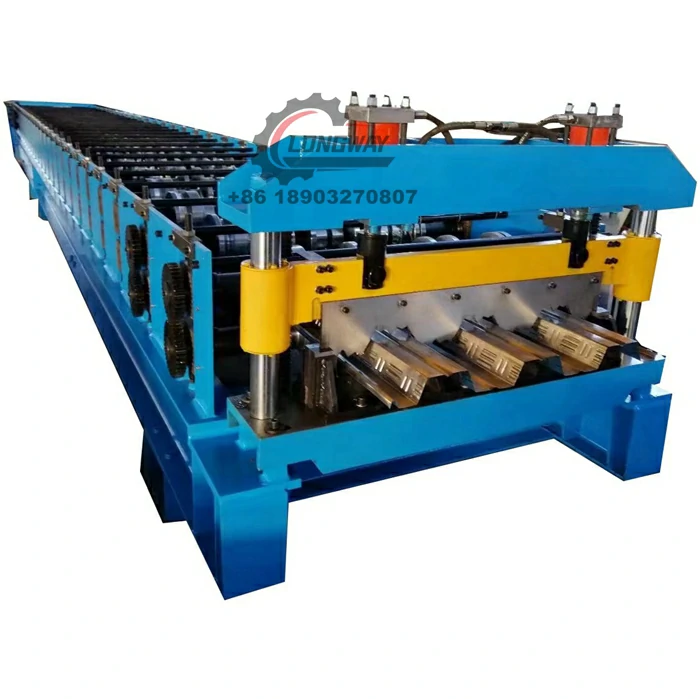
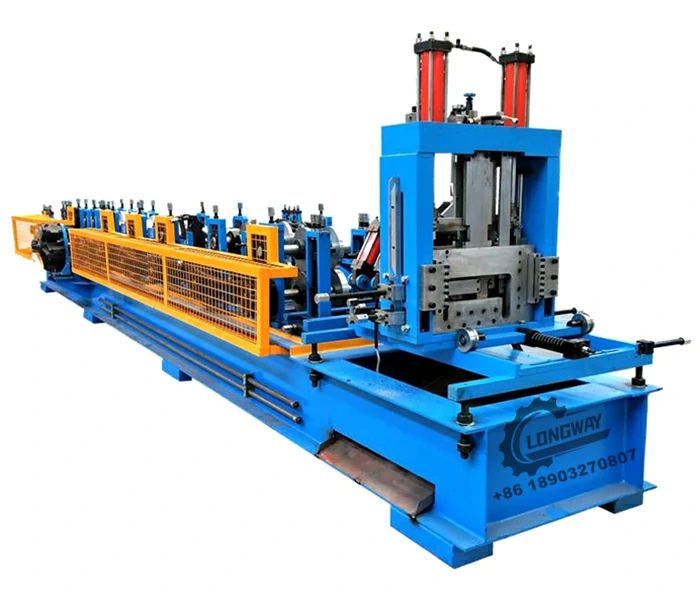
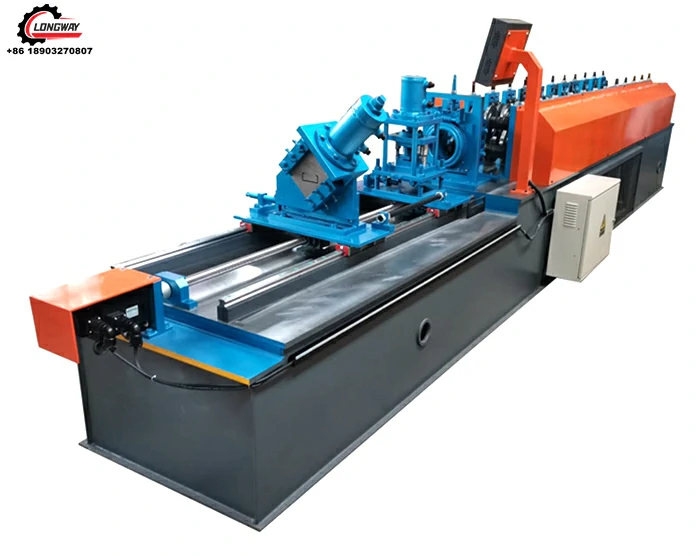
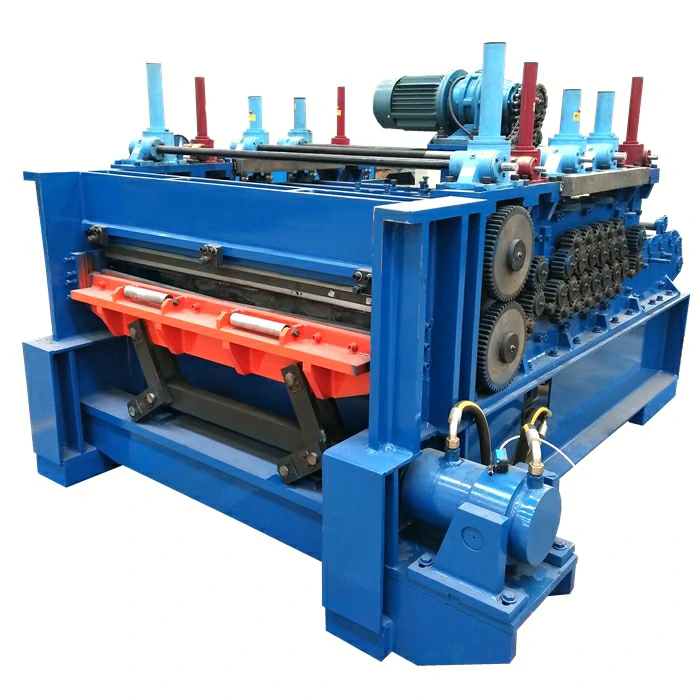
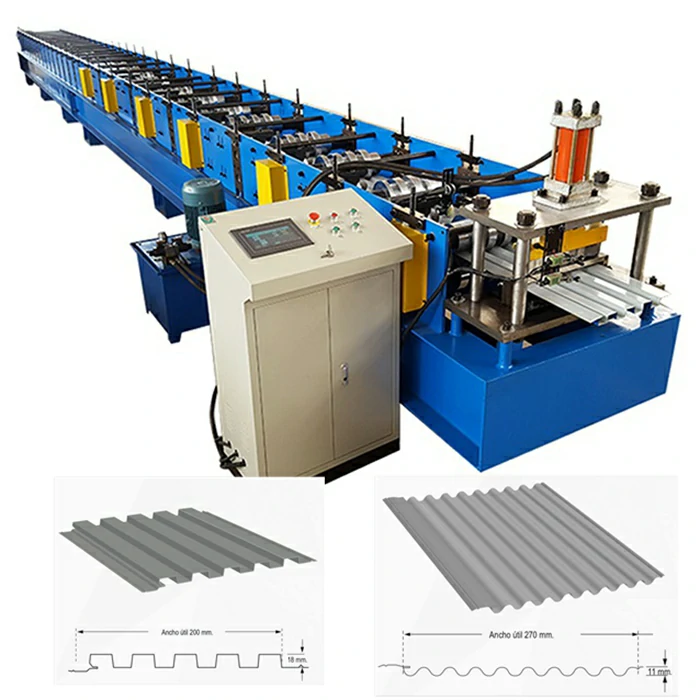
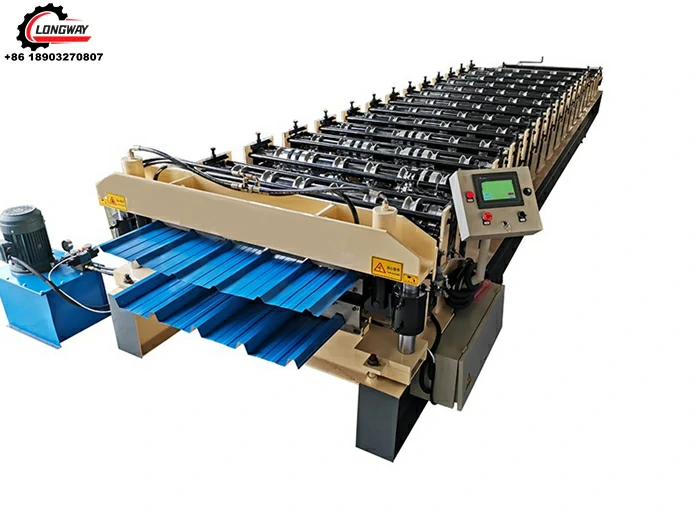
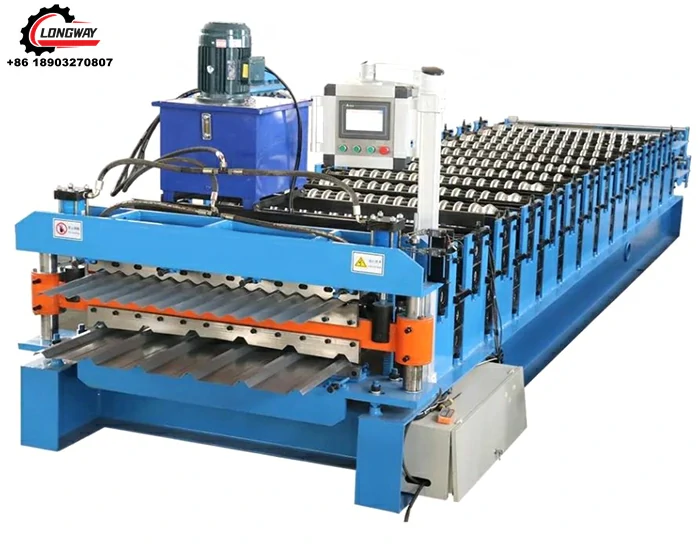
Having spent a fair chunk of my adult life in the industrial equipment sector, I can tell you one thing: China purlin roll forming machine factory setups are fascinating in how they marry precision engineering with scalable production. You don’t just get a machine; you get years of evolving know-how, layered in with a certain kind of practical creativity from factory floors that have been humming away for decades.
Oddly enough, the purlin roll forming machines from China often surprise even seasoned professionals. They manage to hit this sweet spot between durable design and highly customizable specs. It feels like watching craftspeople build modern tools shaped by both tradition and an urgent push for efficiency. Over the years, many engineers I've worked with have praised these machines for their consistent performance and adaptability — especially when tailored for specific steel thicknesses or production speeds.
Why purlin roll forming machines matter
If you’re new to this world, purlins are those horizontal steel beams that support roofs — think warehouses, factories, and commercial buildings. The role of roll forming machines is to shape flat steel strips into these sturdy, uniform profiles rapidly and with minimal waste. Frankly, these machines keep the backbone of modern industrial architecture strong.
From my experience, the best machines work noiselessly and consistently under high load, which is no small feat considering the fast-paced demands of large-scale construction projects. The precision must be spot-on since any slight variation can result in fitment issues or structural weaknesses. Testing procedures at reputable Chinese factories usually involve rigorous quality control and repeated trial runs — something I’ve personally witnessed during factory visits.
Product Overview: Typical Specifications
| Specification | Typical Value |
|---|---|
| Steel Sheet Thickness | 1.5mm to 3.0mm |
| Forming Stations | 16-18 Stations |
| Production Speed | 8 – 12 meters/min |
| Motor Power | 15-18 kW |
| Decoiler Type | Hydraulic or Manual |
| Control System | PLC with Touchscreen |
What sets different factories apart?
Now, not all factories are created equal (surprise, surprise). Based on years of dealings and visits, I’ve seen some key differentiators emerge. These include build quality, after-sale service, and the willingness to cater to custom profiles. To give you a clearer idea, here’s a quick rundown of three typical vendor types you might encounter:
| Vendor | Quality of Components | Customization | Lead Time | Price Range |
|---|---|---|---|---|
| Factory A (Premium) | High-grade imported parts | Extensive (tailored profiles) | 4-6 weeks | $$$ |
| Factory B (Mid-Range) | Mostly domestic components | Moderate customization | 3-5 weeks | $$ |
| Factory C (Budget) | Basic local parts | Limited options | 2-4 weeks | $ |
One small story I’ll share — years ago, a client was struggling with inconsistent purlin profiles disrupting their assembly line. When we switched to a reputed Chinese factory’s roll forming machine, customized precisely for their steel specs, their downtime dropped dramatically. It felt like watching the factory floor regain its rhythm.
Final thoughts
So, why trust a China factory for your purlin roll forming machine? Well, the blend of robust engineering, growing quality controls, and competitive pricing is hard to beat. Frankly, if you want a machine that feels like it’s been fine-tuned over years of trial, error, and real-world demands, that’s the place to start looking.
And oddly enough, despite the distance and language barriers, many factories are very easy to work with — they’re keen to provide detailed specs and even video tours if you ask nicely.
In real terms, investing in a trustworthy Chinese purlin roll forming machine can be a gamechanger for streamlining your structural steel production.
References:
1. Industry visits to roll forming factories, China (2018-2023)
2. Discussions with steel structure engineers in APAC
3. Technical manuals and quality control reports from select vendors
-
High Precision Customized Z Purlin Roll Forming Machine GuideNewsApr.16, 2026
-
High Precision customized steel structure floor deck roll forming machineNewsApr.09, 2026
-
Comprehensive Guide to Customized Roof Tile Roll Forming Machine SolutionsNewsApr.07, 2026
-
Optimizing Metal Fabrication with a Customized Roll Forming Machine SolutionNewsApr.04, 2026
-
Comprehensive Guide to Customized Profile Roll Forming Machine SolutionsNewsMar.31, 2026
-
Customized Light Steel Keel Roll Forming Machine Solutions and ApplicationsNewsMar.28, 2026
-
Optimized Production with a Customized Double Layer Roll Forming Machine SolutionNewsMar.26, 2026