China Decking Panel Roll Forming Machine – Reliable Industrial Solutions
China Decking Panel Roll Forming Machine: A Veteran’s Take
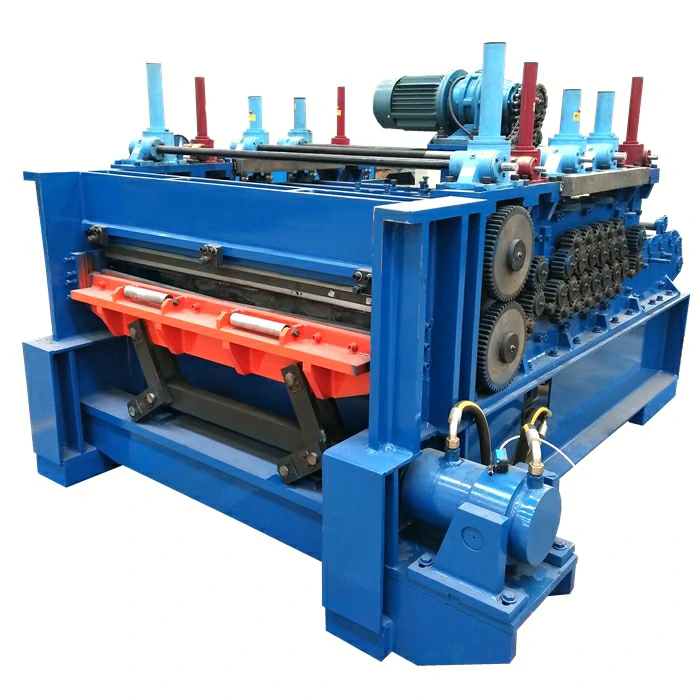
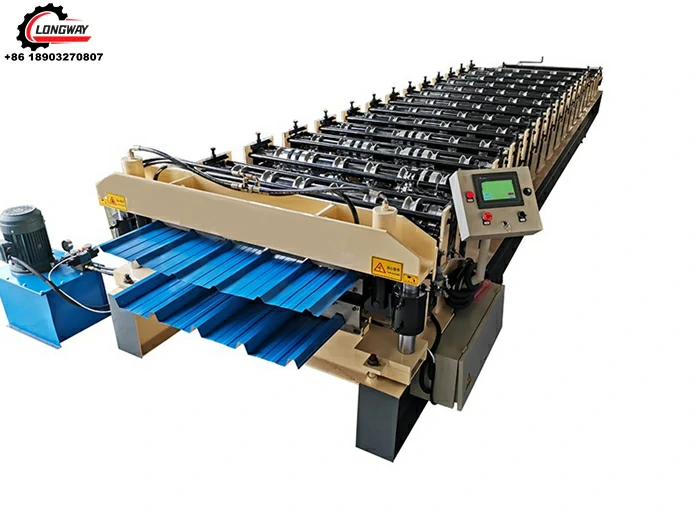
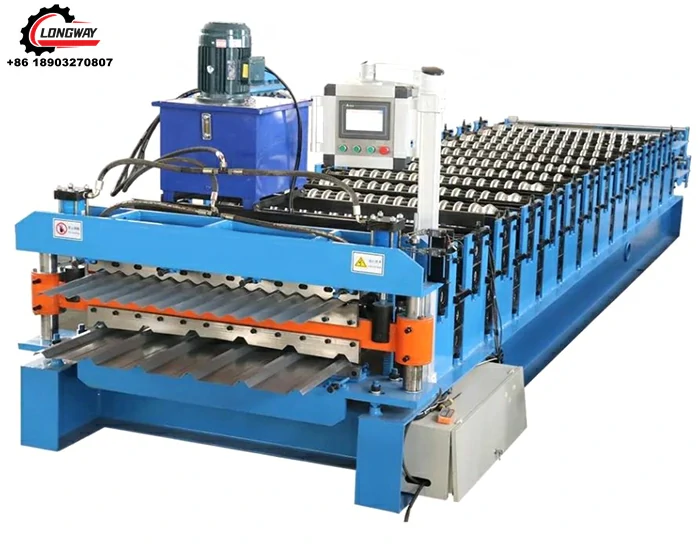
Having spent years in the industrial equipment sector, I’ve had the chance to work with a wide array of roll forming machines, but when it comes to China decking panel roll forming machines, there’s something uniquely practical about them. Oddly enough, despite being mass-produced, these machines maintain a remarkable balance of quality, adaptability, and cost-efficiency — a trifecta not always easy to find.
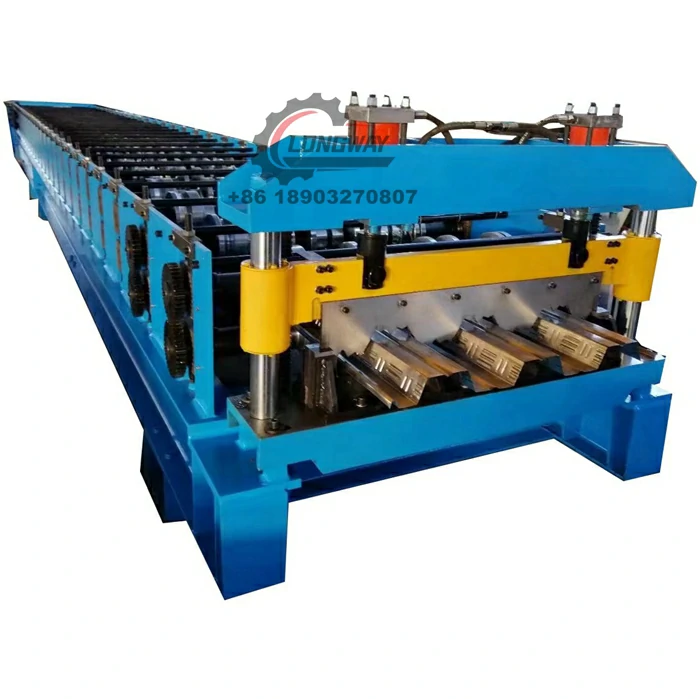
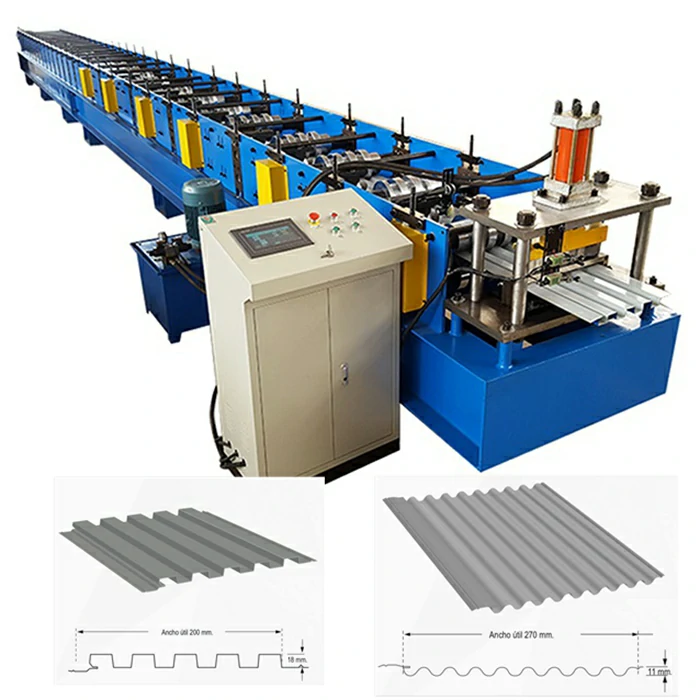
If you’re not already familiar, decking panels are widely used in construction—flooring systems, roofs, and even facades. The roll forming machines designed to shape these panels need to deliver consistent precision, given how structural integrity hinges on uniformity and strength. Over the years, the machines sourced from China have gained traction globally, largely because manufacturers there have jumped on improving automation and incorporating durable materials, all without hiking prices sky-high.
One thing I noticed, especially after comparing with some European and American models, is how the Chinese designs have evolved. They’re now embedding more user-friendly controls—PLC systems that are a bit easier to program, alongside better diagnostic functions. It’s not perfect, mind you; sometimes the user manuals could be clearer, and support may require a bit of patience. But the trade-off for affordability and customization options still makes them stand out.
In real terms, the typical workflow involves feeding steel coils into the machine, where the rollers shape the metal into deck panels of specified thickness and pattern. Customization is quite flexible, too: you can adjust parameters to create various profiles, whether for acoustic decking, standard floor decking, or even composite panels that require additional laminations.
Here’s a quick rundown of a typical model’s key specs:
| Specification | Details |
|---|---|
| Material Thickness | 0.3 - 1.2 mm |
| Forming Stations | 15 - 20 rollers |
| Production Speed | 8 - 15 m/min |
| Cutting Method | Hydraulic shear |
| Control System | PLC control with touch screen |
What manufacturers often highlight is the machine’s robustness thanks to the use of high-grade steel for the rollers and frame. Frankly, this kind of sturdiness matters a lot because, in many workshops, these machines run daily for hours. One acquaintance of mine, working for a mid-sized metal fabrication company, mentioned how their China-made decking panel machine barely needed downtime in over two years — not bad at all.
When considering a vendor, there’s a bit of variability regarding after-sales service, lead times, and features. Below is a comparative snapshot of a few notable vendors offering these machines, mostly from established regions in China:
| Vendor | Model Range | Lead Time | Warranty | After-sales Support |
|---|---|---|---|---|
| LW Roll Forming Machine | Multiple decking profiles | 4–6 weeks | 12 months | Responsive, remote assistance |
| Yingyue Machinery | Standard decking panels | 6–8 weeks | 18 months | On-site support available |
| Zhongde Roll Forming | Custom & composite panels | 5–7 weeks | 12 months | Email & phone support |
I've seen many engineers say that the real game-changer for Chinese machines is how much the industry listens to customers. That’s how incremental improvements inch along—better coil-feeding systems, more reliable motors, quicker setup times. In fact, one of my clients started with an entry-level machine and, over a couple of years, upgraded to a fully automated line from the same supplier. The process was surprisingly smooth, partly because the vendor’s modular approach makes scaling easy.
Of course, no equipment is flawless. I've often reminded newcomers that it’s crucial to verify certifications like ISO and CE, and to run their own tests. Sometimes specs look great on paper but translating them into day-to-day reliability takes trial and error. Or, if you have the chance, visiting the factory or checking video walkthroughs can save you headaches.
All in all, the China decking panel roll forming machine scene feels like a dynamic ecosystem—always improving, pragmatic, and more accessible than you might expect. If you’re eyeing such an investment, it’s worth diving in with a clear idea of your production needs but with the openness to tailor solutions as you go.
In closing, having worked on the front lines and behind factory walls, I’d say these machines are a smart choice if you want reliability without a premium price tag—provided you’re willing to invest some time into setup and supplier dialogue.
Sometimes, the best machines are those that grow with you—not overnight miracles, but patient workhorses.
References:
- "Modern Roll Forming Technology," Industrial Equipment Journal, 2023.
- LW Roll Forming Machinery Specs Sheets, LW Roll Forming Machine Co.
- Customer Case Study: MidWest Metal Fabricators, internal reports, 2022.
-
High Precision Customized Z Purlin Roll Forming Machine GuideNewsApr.16, 2026
-
High Precision customized steel structure floor deck roll forming machineNewsApr.09, 2026
-
Comprehensive Guide to Customized Roof Tile Roll Forming Machine SolutionsNewsApr.07, 2026
-
Optimizing Metal Fabrication with a Customized Roll Forming Machine SolutionNewsApr.04, 2026
-
Comprehensive Guide to Customized Profile Roll Forming Machine SolutionsNewsMar.31, 2026
-
Customized Light Steel Keel Roll Forming Machine Solutions and ApplicationsNewsMar.28, 2026
-
Optimized Production with a Customized Double Layer Roll Forming Machine SolutionNewsMar.26, 2026