Cheap Metal Roll Forming Machine Factory – Reliable & Affordable Options
Cheap Metal Roll Forming Machine Factory: What You Really Need to Know
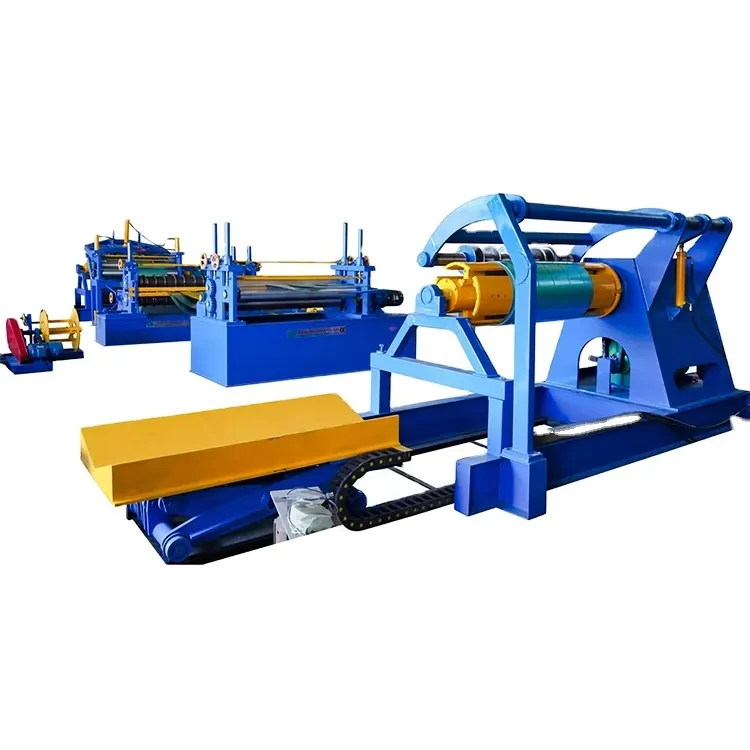
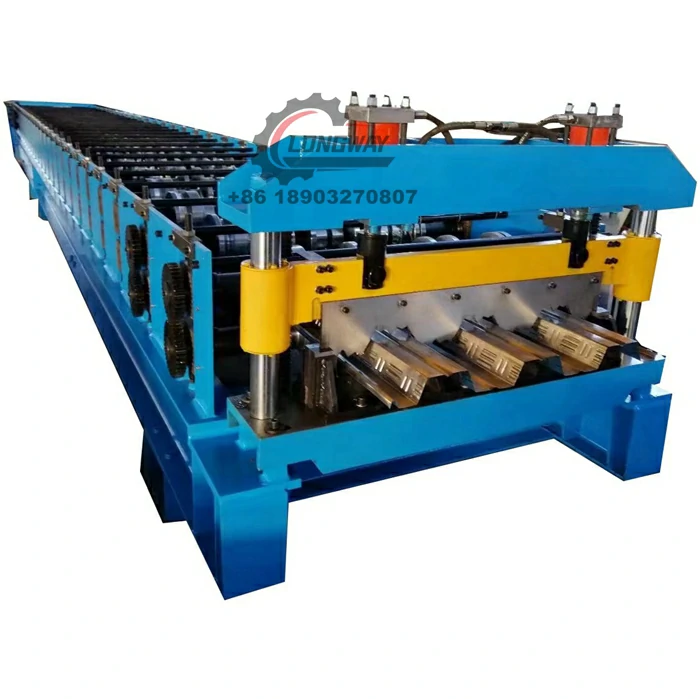
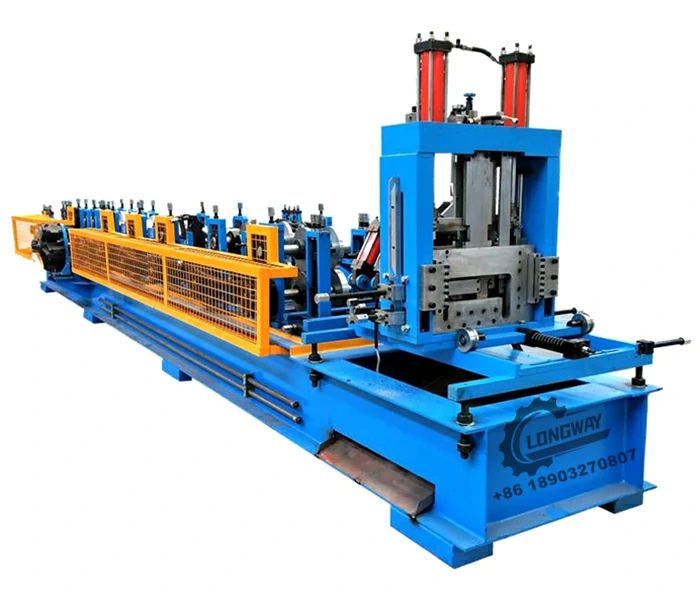
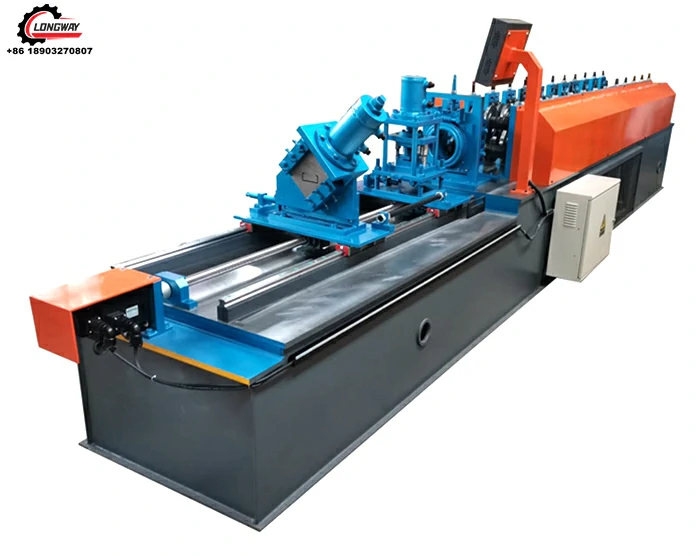
Having spent over a decade in the industrial equipment sector, I’ve seen my fair share of metal roll forming machines — from high-end giants hammering out massive steel coils to smaller, budget-friendly models that surprise you. Cheap metal roll forming machine factory options often get a bit of a bad rap, but frankly, you don’t always need to break the bank for decent, reliable equipment.
Oddly enough, some of the best-value machines come straight from factories focusing on cost-effectiveness without sacrificing core functionality. In real terms, if your production demands aren’t sky-high or extremely specialized, these machines do more than just get the job done. They surprise you with consistency and ease of use.
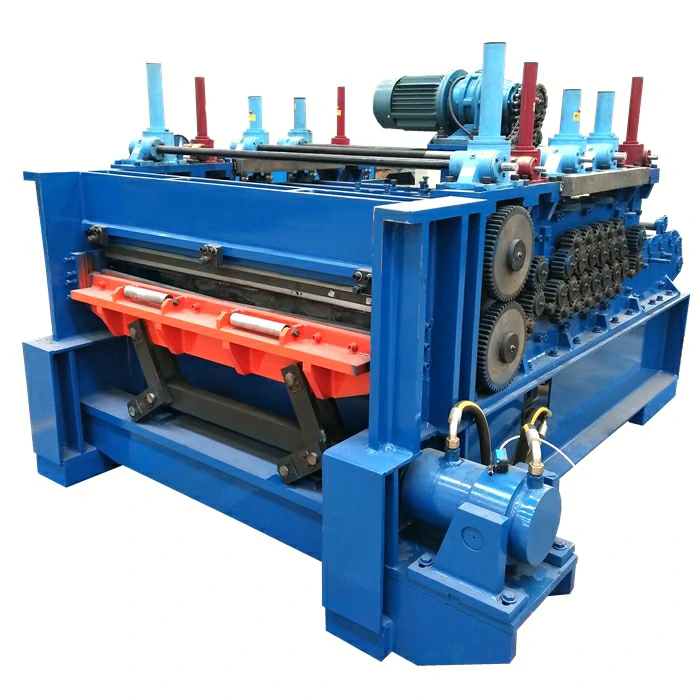
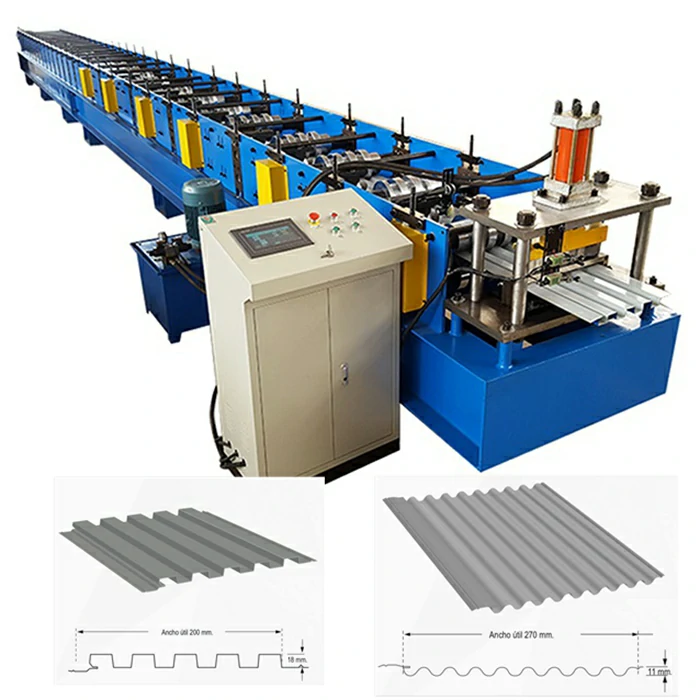
Most metal roll forming machines work by feeding coils of steel or aluminum through a series of rollers that gradually shape the metal into the desired profile. The cheap machines tend to stick to proven designs—no flashy bells and whistles, but solid mechanics. Materials are usually cold-rolled steel or galvanized steel, which engineers say strike a good balance between cost and durability.
When sourcing from a cheap metal roll forming machine factory, customizations can still be surprisingly flexible. I once worked with a client who needed a machine tailored to produce roofing sheets with very specific thickness and width requirements. The factory was willing to adjust roller designs and lengths with minimal fuss, which pretty much eliminated any downtime during commissioning.
Of course, these machines undergo basic testing before shipment — mostly to check roller alignment, drive motor performance, and control system responsiveness. Don’t expect full-scale factory acceptance testing like you’d get from premium vendors, but with a quick onsite inspection, any decent machine should be good to rock and roll.
| Specification | Description |
|---|---|
| Material Thickness | 0.3 – 1.0 mm (steel/aluminum) |
| Roller Stations | 16 - 24 |
| Speed | 8 – 15 m/min (adjustable) |
| Drive System | Electric motor with gearbox |
| Control | PLC with HMI touchscreen |
| Width Range | 600 – 1500 mm |
| Power Consumption | 5 – 10 kW |
| Machine Weight | Approx. 3 – 6 tons |
Comparing vendors in this price-sensitive segment can actually be illuminating. Some factories cut corners on steel quality or electrical components, but many top-tier budget factories maintain decent standards because the metal forming process isn’t forgiving to weak frames or subpar rollers.
| Vendor | Build Quality | Customization | Lead Time | Price Range |
|---|---|---|---|---|
| LW Roll Forming | Solid steel frames & quality rollers | High (custom profiles & dimensions) | 4-6 weeks | $10,000 - $25,000 |
| BudgetForm Inc. | Light frame, some roller wear issues | Limited | 6-8 weeks | $8,000 - $18,000 |
| SteELite Machinery | Good for price but control system dated | Medium | 5-7 weeks | $12,000 - $22,000 |
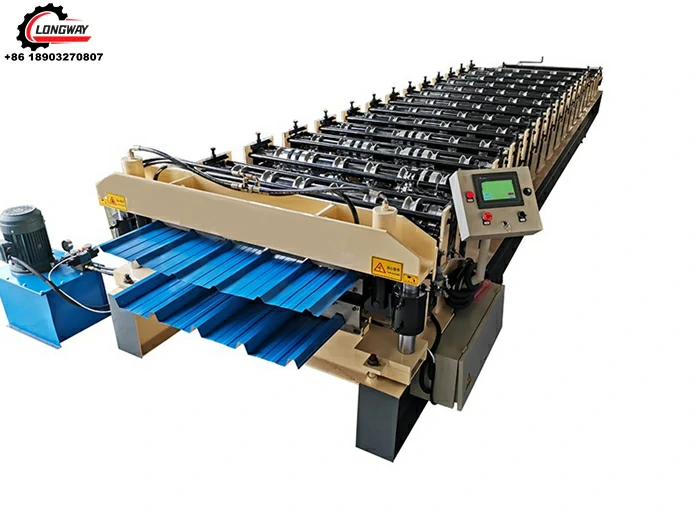
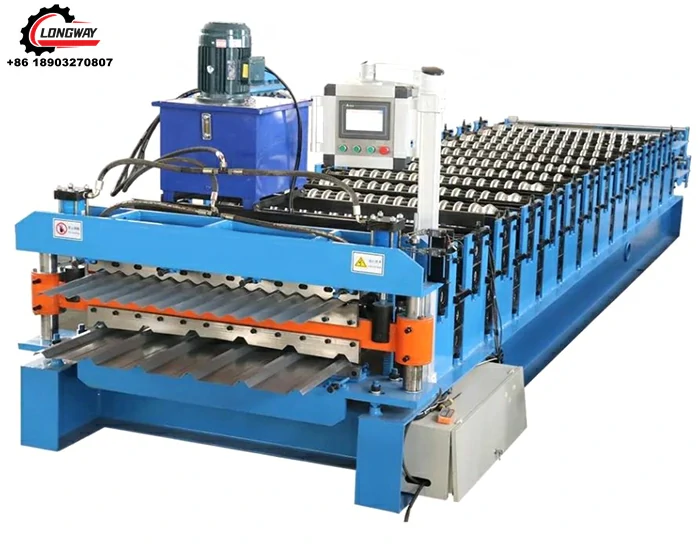
What I always tell clients is: “Know your needs and tolerances upfront.” If you’re running simple profile shapes and moderate volumes, you can’t go wrong exploring these cheaper factories. For instance, one small roofing business I consulted for was incredibly happy with their LW Roll Forming machine for years — minimal maintenance, quick setup, and importantly, no surprise repair costs.
At the end of the day, a cheap metal roll forming machine factory that understands durability and basic customization is worth a close look. And frankly, knowing who to trust in this segment saves you both time and money—and a good night’s sleep.
Just a little food for thought from someone in the trenches, who’s watched the pros and cons play out over and over.
References:
1. Industry reports on sheet metal forming equipment, 2022.
2. Conversations with factory engineers in Asia, 2023.
3. Client interviews from small manufacturing businesses, 2023.
-
High Precision Customized Z Purlin Roll Forming Machine GuideNewsApr.16, 2026
-
High Precision customized steel structure floor deck roll forming machineNewsApr.09, 2026
-
Comprehensive Guide to Customized Roof Tile Roll Forming Machine SolutionsNewsApr.07, 2026
-
Optimizing Metal Fabrication with a Customized Roll Forming Machine SolutionNewsApr.04, 2026
-
Comprehensive Guide to Customized Profile Roll Forming Machine SolutionsNewsMar.31, 2026
-
Customized Light Steel Keel Roll Forming Machine Solutions and ApplicationsNewsMar.28, 2026
-
Optimized Production with a Customized Double Layer Roll Forming Machine SolutionNewsMar.26, 2026