Affordable Steel Roll Forming Machine Supplier | Reliable & Cost-Effective
Finding a Reliable Yet Cheap Steel Roll Forming Machine Supplier
If you’ve spent any considerable time in the industrial equipment sector, you know how tricky it can be to source the right cheap steel roll forming machine supplier. It’s a bit like trying to thread a needle on a bumpy road—there’s a fine balance between cost, quality, and reliability. Frankly, the market is flooded with options, but not all machines are cut from the same steel, so to speak.
Over the years, I’ve noticed many factories lean towards roll forming machines that promise efficiency without draining the budget. The trick is knowing what specs matter most and who to trust—not just someone pitching the “cheapest” deal without the durability to match. Honestly, you get what you pay for, but there are hidden gems if you look carefully.
Let’s dig into what makes a cheap steel roll forming machine supplier stand out, and I’ll share a few tidbits from my own experience working alongside engineers and plant managers who rely heavily on these machines every day.
What Matters in a Steel Roll Forming Machine?
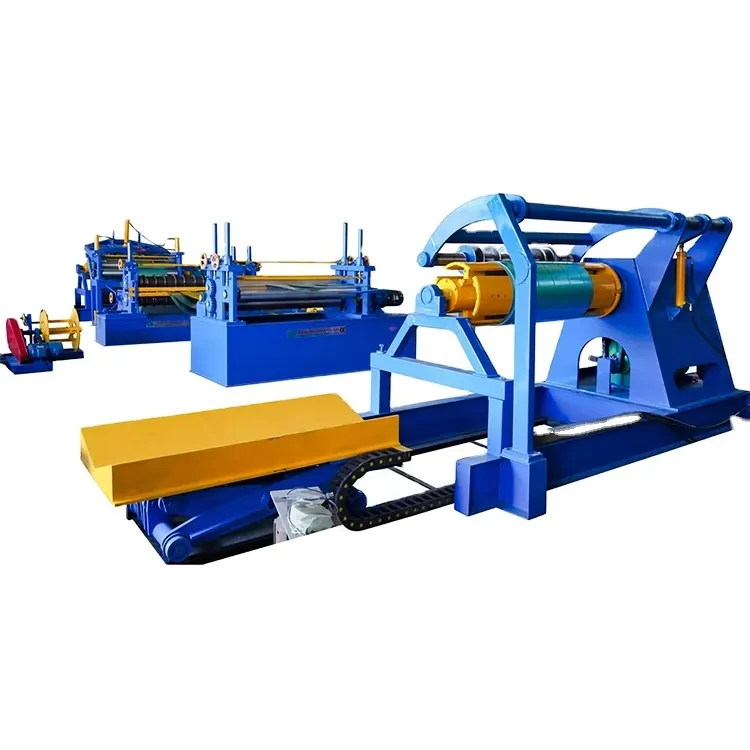
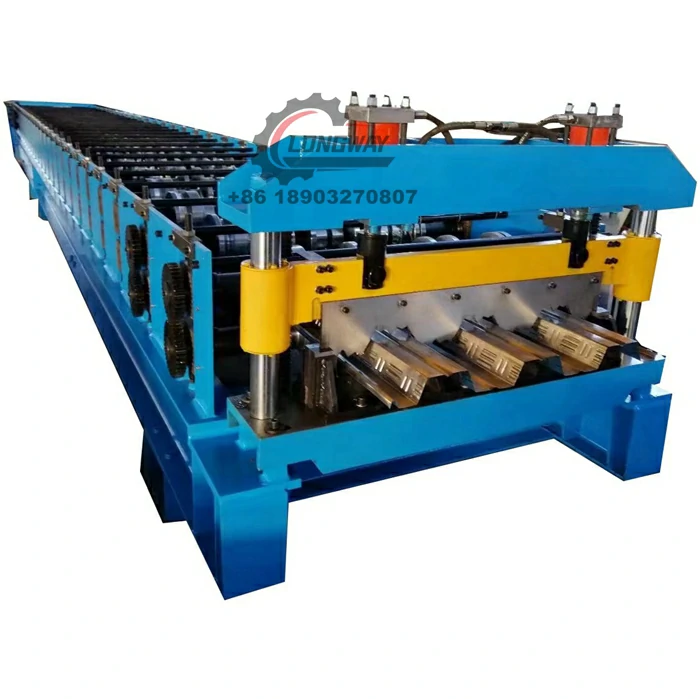
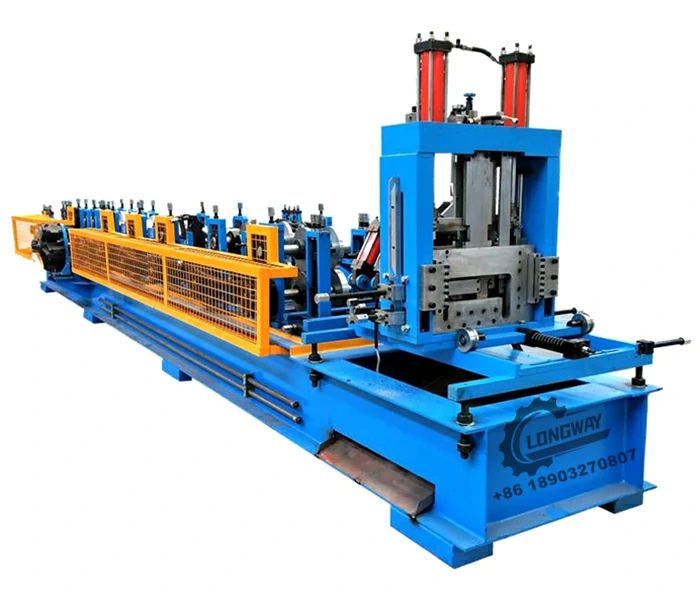
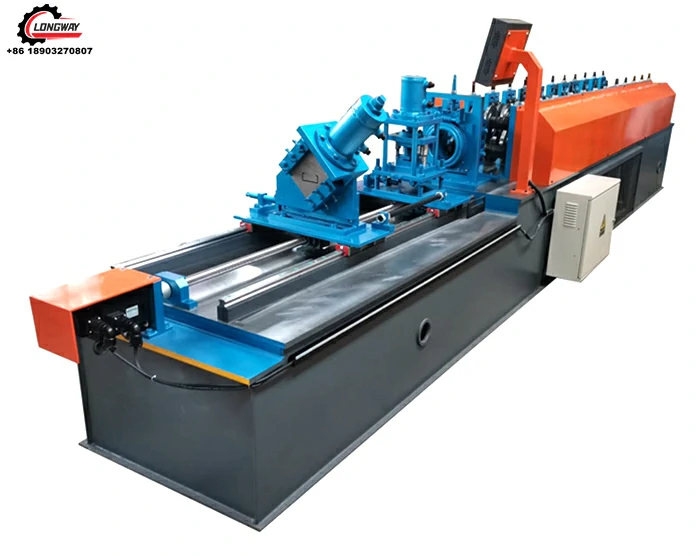
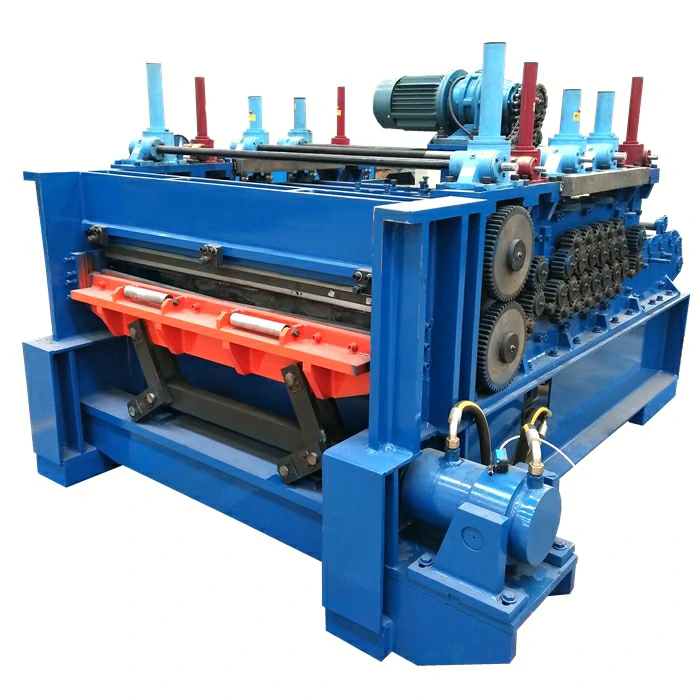
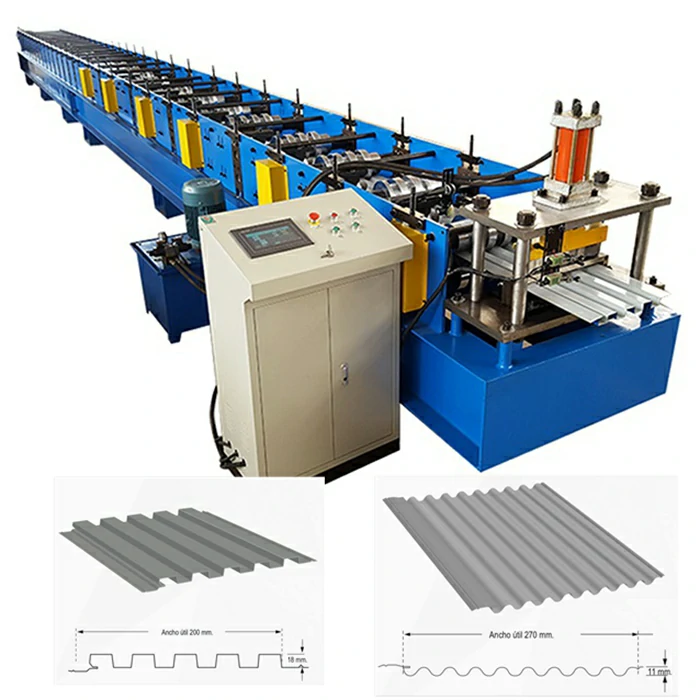
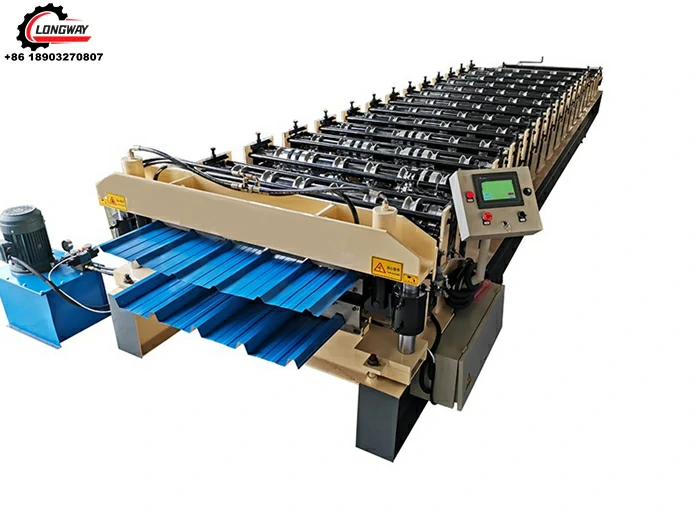
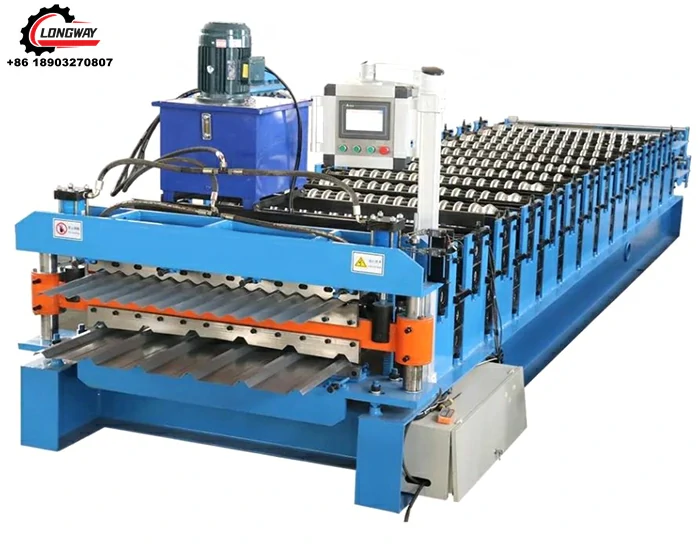
First off, the core function of these machines is to shape steel coils into precise profiles—think roofing sheets, framing studs, or pipe tubes. The design needs to be robust yet flexible enough for customization. You know, it’s not just about smashing metal into shape; it’s about consistent accuracy, minimal material waste, and smooth operation.
Key features I pay attention to include:
- Roller Quality: Hardened steel rollers withstand wear and tear and ensure sharper profiles over time.
- Motor Power: Sufficient horsepower to handle different gauge steels without stalling.
- Control Systems: User-friendly PLCs that can be programmed easily, a must for tight deadlines.
- Durability: Frame materials and welding quality often reveal the machine’s lifespan.
- Customization options: Some vendors offer modular designs so you can upgrade later, which I’ve seen save money down the line.
| Spec | Typical Range | Notes |
|---|---|---|
| Max Thickness | 0.3 - 1.5 mm | Depends on steel grade and machine power |
| Max Speed | 15 - 30 m/min | Faster speeds may affect precision |
| Motor Power | 7.5 - 15 kW | Higher for thicker gauge materials |
| Control System | PLC with touch screen | Ease of use varies by brand |
| Rollers | Hardened Steel | Longevity and profile consistency |
Comparing Cheap Steel Roll Forming Machine Suppliers
Picking a supplier often boils down to more than just price. Oddly enough, I found that some “cheap” offers end up costing more in downtime and repairs. So here’s a straightforward comparison of three supplier archetypes I’ve seen in this sector:
| Supplier | Price Range | Build Quality | Lead Time | Customization | Support |
|---|---|---|---|---|---|
| Budget Chinese Makers | $10k - $20k | Variable; some raw but functional | 2-4 weeks | Limited; mostly standard models | Basic; often via email |
| Established Domestic Brands | $25k - $40k | High; tested & certified | 4-6 weeks | Moderate; custom orders accommodated | Responsive; phone & onsite |
| Specialized European Suppliers | $40k+ | Premium; advanced features | 6+ weeks | Extensive; fully customized | Comprehensive; dedicated engineer |
In real terms, these tables help cut through sales pitches and jargon. One of the better personal experiences I had was with a smaller Chinese supplier who offered great value but worked closely with us for minor customizations. Their machines weren’t flashy, but they ran consistently for over three years with minimal fuss. You just have to be willing to do a bit of homework—vet the company, ask about materials (make sure their rollers aren’t just cast iron pretending to be steel), and check if spare parts are readily available.
Why Cheap Doesn’t Have to Mean Low Quality
It feels like the most common misconception is that “cheap” equates automatically to “low quality.” I’d argue that it’s more nuanced. Many suppliers now leverage advances in manufacturing and better supply chains to offer surprisingly robust roll forming machines at affordable prices. The key is transparency and service.
For instance, I remember a mid-sized workshop we partnered with. They switched from a budget model that often needed repair to a machine from a lesser-known supplier who provided excellent after-sales parts and quick remote support. Their downtime halved, and production improved, despite not paying a premium price. That’s a win in any plant manager’s book.
If you want to explore options, cheap steel roll forming machine supplier vendors like LW Roll Forming Machine are worth a look. They seem to blend cost-effectiveness with reliability, which isn’t that easy in this line of work.
In the end, buying these machines is more than just a transaction—it’s about finding a partner who understands your production rhythm and can keep up as demands shift. And that’s where experience, both yours and theirs, pays dividends.
A quick takeaway: don’t just chase the lowest price tag—look for value, service, and durability. It makes all the difference in the long haul.
References
- Industry Journal of Metal Forming, 2022 Edition.
- Practical Guide to Roll Forming Technology, 3rd Edition.
- Interviews with Plant Managers, 2019–2023.
-
High Precision Customized Z Purlin Roll Forming Machine GuideNewsApr.16, 2026
-
High Precision customized steel structure floor deck roll forming machineNewsApr.09, 2026
-
Comprehensive Guide to Customized Roof Tile Roll Forming Machine SolutionsNewsApr.07, 2026
-
Optimizing Metal Fabrication with a Customized Roll Forming Machine SolutionNewsApr.04, 2026
-
Comprehensive Guide to Customized Profile Roll Forming Machine SolutionsNewsMar.31, 2026
-
Customized Light Steel Keel Roll Forming Machine Solutions and ApplicationsNewsMar.28, 2026
-
Optimized Production with a Customized Double Layer Roll Forming Machine SolutionNewsMar.26, 2026