Affordable Quality: Finding the Best Cheap Purlin Roll Forming Machine Supplier
The Essentials of a Cheap Purlin Roll Forming Machine Supplier
In the vast world of construction and manufacturing, a cheap purlin roll forming machine supplier plays a surprisingly pivotal role. You might wonder, why the fuss over such a specific equipment supplier? Well, roll forming machines are the backbone behind the steel structures that shape modern buildings, warehouses, and even disaster relief shelters. Supplying these machines affordably — without sacrificing quality — means projects get done on time and on budget, while supporting vast industries globally.
Why This Topic Matters Globally
According to the United Nations Industrial Development Organization (UNIDO), steel construction represents a crucial part of infrastructure growth globally, especially in emerging markets. The rapid urbanization and increased demand for industrial buildings call for more efficient and cost-effective building components. Purlins — those horizontal beams that provide support in roofing systems — are often made by roll forming machines offered by these suppliers. The ability to source cheap yet reliable machinery helps drive sustainable development by reducing construction costs and cutting waste.
However, affordability often comes with concerns about quality or after-sales support, a challenge many players in the market try to address. That's where smart procurement and supplier expertise become essential.
Defining a Cheap Purlin Roll Forming Machine Supplier
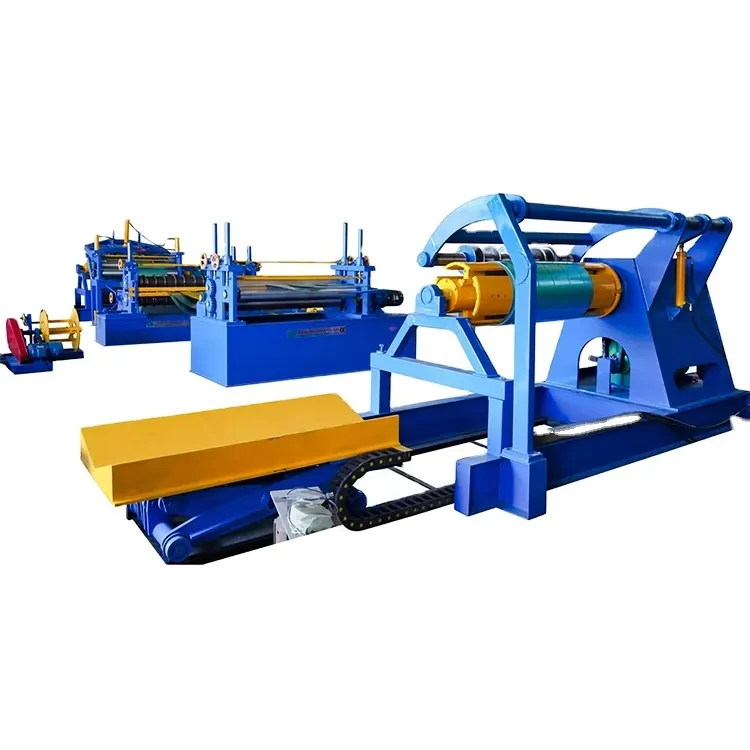
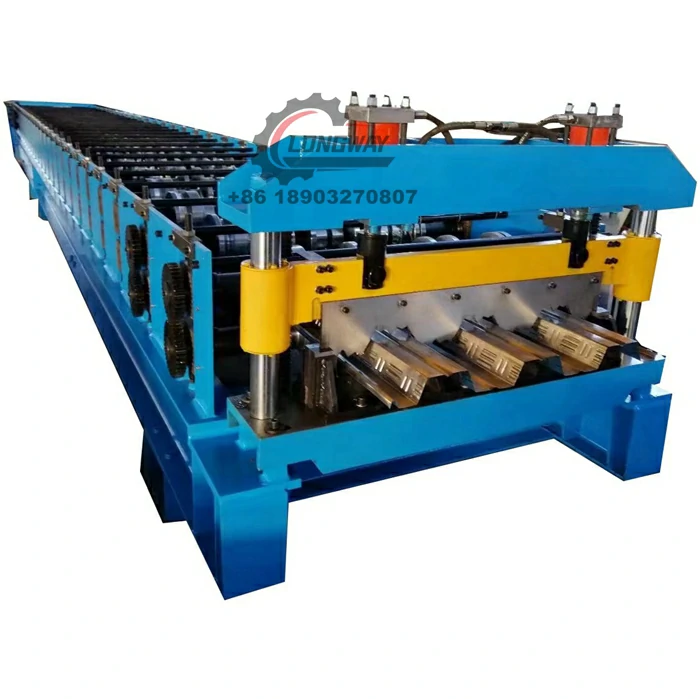
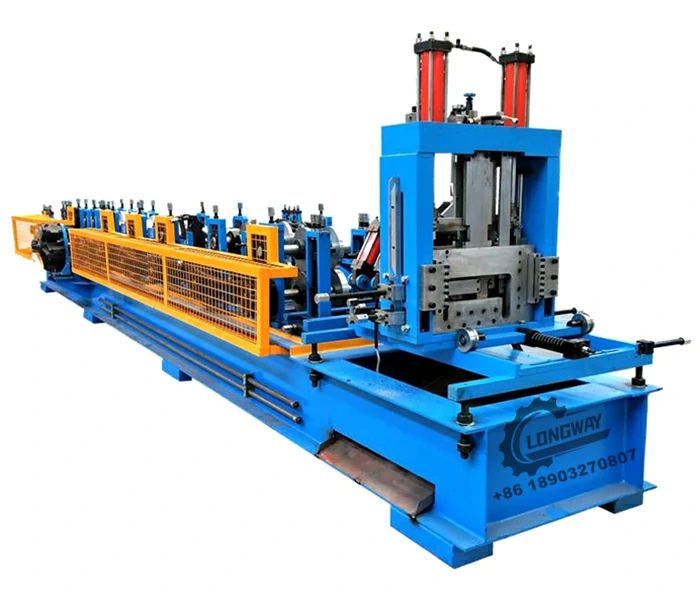
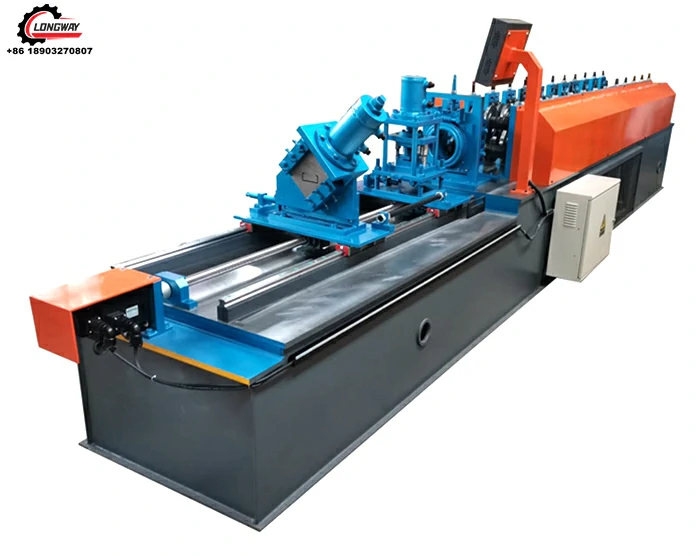
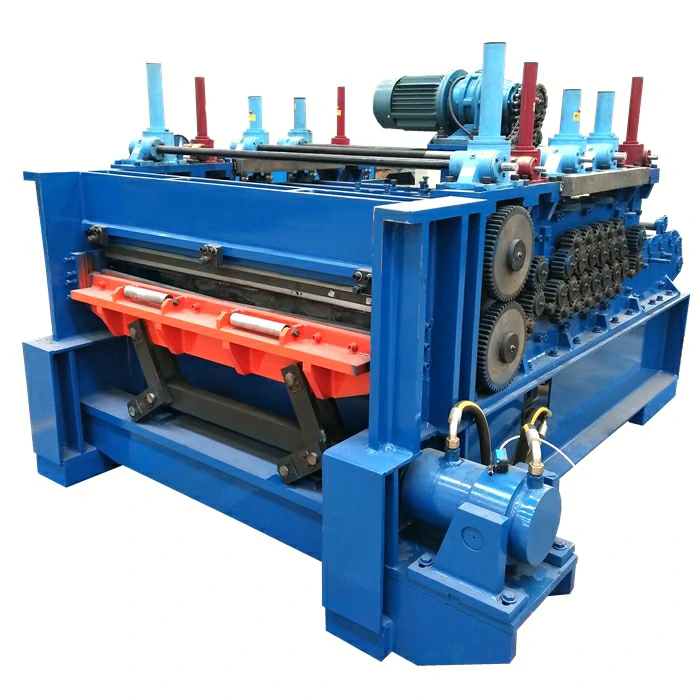
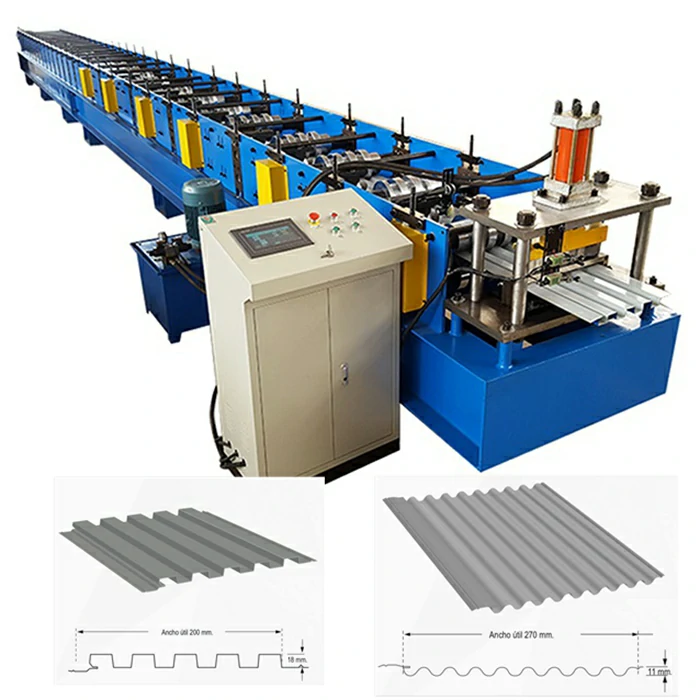
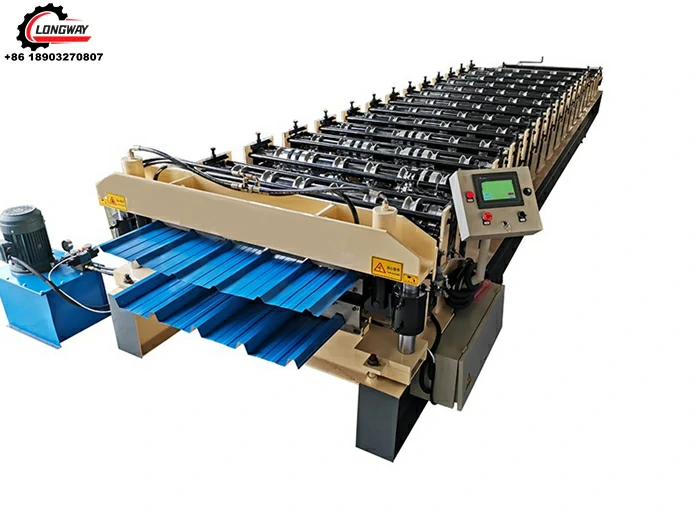
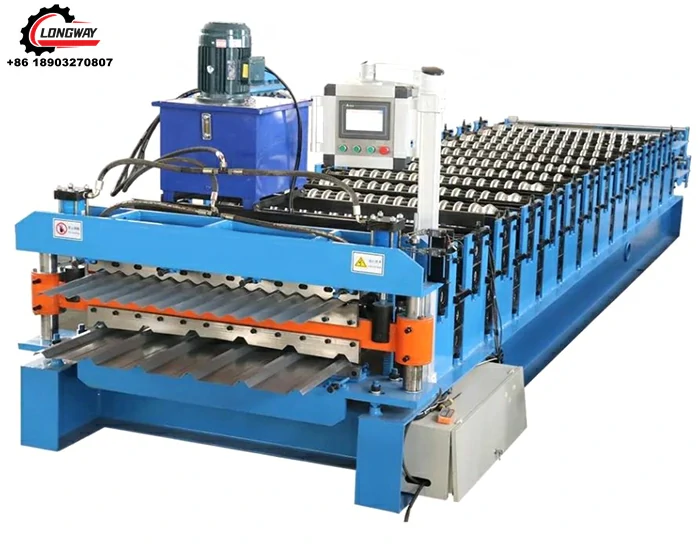
Simply put, a cheap purlin roll forming machine supplier is a company or manufacturer providing roll forming machinery specifically geared to producing purlins, at competitive prices. Roll forming machines automate the process of bending metal sheets into precise profiles, creating consistent purlins used in roofing and wall framing.
These suppliers not only sell machines but often provide customization options, spare parts, technical support, and sometimes installation guidance. The “cheap” aspect doesn’t always mean low quality but rather better accessibility for small-to-mid size enterprises or projects with tight budgets without sacrificing key machine features.
Key Factors When Choosing a Cheap Purlin Roll Forming Machine Supplier
1. Durability & Build Quality
Durability often goes hand in hand with the materials used and the machine’s engineering. Many engineers I spoke to emphasize the importance of rugged gearboxes and rollers made of high-quality steel — they keep the machine working smoothly after thousands of operation cycles. Sometimes, suppliers offer enhanced coatings or heat treatments that add years to machine life.
2. Scalability & Production Capacity
Depending on your scale — whether you're rolling hundreds or thousands of purlins per month — your chosen supplier’s models vary by speed, automation, and size. A cheaper machine may produce less volume but can be perfect for smaller workshops or pilot projects, which is often overlooked.
3. Cost Efficiency
Of course, price tags matter. What’s intriguing about many low-cost suppliers is that they might offer machines with less complexity but which are easier to maintain, reducing operational costs in the long term. It’s a balance, not just a bargain.
4. After-Sales Support & Parts Availability
One downside of picking a very cheap supplier might be limited after-sales support. But many suppliers have improved their service models, often including remote assistance and affordable spare parts kits.
5. Customization & Flexibility
Some projects require specific purlin profiles or dimensions. A good supplier can adjust roller designs or machine parameters to fit. This flexibility can save a lot of headache compared with off-the-shelf equipment.
Mini takeaway:
- Choosing a cheap purlin roll forming machine supplier is about finding a balance among price, quality, and service to suit your unique manufacturing needs.
Specifications of a Typical Cheap Purlin Roll Forming Machine
| Specification | Details |
|---|---|
| Material Thickness | 0.8–2.5 mm |
| Operating Speed | 8–15 m/min |
| Power Supply | 380V/50Hz (customizable) |
| Roll Stations | 15–18 stations |
| Cutting Type | Hydraulic/nipper |
| Machine Weight | ~3500 kg |
Global Applications & Use Cases
These machines find homes in a diverse range of settings:
- Emerging markets: In Southeast Asia and Africa, construction firms depend on affordable roll forming machines to develop cost-effective industrial buildings and rural housing.
- Post-disaster relief: NGOs sometimes use quick-install buildings made from roll-formed purlins — think emergency shelters after earthquakes.
- Remote industrial zones: Mining or oil exploration sites need reliable metal framing structures, and portability plus ease of serviceability become key.
- Small to midsize steel factories: Companies that lack big budgets benefit from getting quality machines at lower prices to serve local demand.
Mini takeaway:
- The global reach and flexibility of cheap purlin roll forming machines make them vital across industries and geographies.
Vendor Comparison: Major Cheap Purlin Roll Forming Machine Suppliers
| Supplier | Price Range (USD) | Customization | Support | Lead Time |
|---|---|---|---|---|
| Supplier A | $ 12,000–16,000 | Yes | Comprehensive | 4-6 weeks |
| Supplier B | $9,000–13,000 | Limited | Basic | 2-3 weeks |
| Supplier C (China) | $8,000–11,000 | Yes | Moderate | 3-5 weeks |
Advantages & Long-Term Value
Lower acquisition costs obviously free up budget for other crucial parts of construction, but the benefits stretch further. Eco-conscious manufacturers appreciate that roll forming minimizes metal waste, aligning with ISO 14001 environmental standards.
Reliability also matters: nothing is more frustrating than production halts caused by unpredictable machine breakdowns. Many suppliers balance cost with sturdy components, fostering trust among customers — and frankly, peace of mind carries emotional weight in business decisions.
Future Trends & Innovations
The world of roll forming is quietly evolving, with improvements in automation and digital controls bringing higher precision at faster speeds. Some next-gen machines integrate IoT sensors for predictive maintenance, reducing downtime. Green energy usage—like solar-powered factories—and lighter machine designs for easier shipping are on the horizon too.
Challenges & Solutions
Low cost often risks lower machine quality or sporadic after-sales support, which can create ripple effects on project timelines. A smart approach is vetting suppliers carefully, asking for trade references, and if possible, visiting factories or viewing machines in operation. Modular machine designs and remote diagnostics tools are also emerging as solutions to these challenges.
Frequently Asked Questions About Cheap Purlin Roll Forming Machine Suppliers
Q1: How can I ensure quality when buying from a cheap purlin roll forming machine supplier?
Look for product certifications, customer testimonials, and warranties. Also, ask for detailed technical specs and if possible, test runs or video demonstrations. Verifying after-sales services and spare parts availability helps protect your investment.
Q2: What maintenance is required to keep the machines running long term?
Regular lubrication, checking the alignment of rollers, timely replacement of worn parts, and following the manufacturer’s operational guidelines generally keep the machines in shape. Some suppliers provide detailed manuals and remote support.
Q3: Can these machines handle varying steel thicknesses?
Most flexible roll forming machines handle 0.8–2.5 mm steel thickness, but double-check the specs before purchase. Some manufacturers offer customizations to accommodate thicker metals for specific projects.
Q4: What’s the lead time to get a machine after ordering?
Lead times vary widely but generally range from 2 to 6 weeks depending on customization, supplier location, and current demand. Planning ahead is key if you have tight project timelines.
Conclusion + Call to Action
Ultimately, sourcing from a cheap purlin roll forming machine supplier doesn’t have to mean compromise. With careful selection, you can unlock affordable, durable, and scalable machinery—fueling construction growth worldwide while staying sustainable and efficient. For those interested in exploring quality yet cost-effective options, visit our website to find versatile machines and expert guidance tailored to your project needs.
Reflection
Delving into the nuances of these suppliers, I’m reminded that “cheap” can sometimes be a misnomer. It’s the value, the balance of price and performance that really counts—especially in industries where every dollar and minute saved translates into tangible results.
References
-
High Precision Customized Z Purlin Roll Forming Machine GuideNewsApr.16, 2026
-
High Precision customized steel structure floor deck roll forming machineNewsApr.09, 2026
-
Comprehensive Guide to Customized Roof Tile Roll Forming Machine SolutionsNewsApr.07, 2026
-
Optimizing Metal Fabrication with a Customized Roll Forming Machine SolutionNewsApr.04, 2026
-
Comprehensive Guide to Customized Profile Roll Forming Machine SolutionsNewsMar.31, 2026
-
Customized Light Steel Keel Roll Forming Machine Solutions and ApplicationsNewsMar.28, 2026
-
Optimized Production with a Customized Double Layer Roll Forming Machine SolutionNewsMar.26, 2026