Comprehensive Guide to Corrugated Steel Roll Forming Machine Technology and Applications
Understanding Corrugated Steel Roll Forming Machines
Corrugated steel roll forming machines are essential for manufacturing corrugated steel sheets, widely used in construction, roofing, wall cladding, and various industrial applications. These machines efficiently produce durable and lightweight materials offering excellent structural strength. At LW Roll Forming Machine, we specialize in designing and manufacturing high-quality, customizable roll forming solutions for your specific needs. Investing in the right machine can significantly boost your production capacity and reduce manufacturing costs.
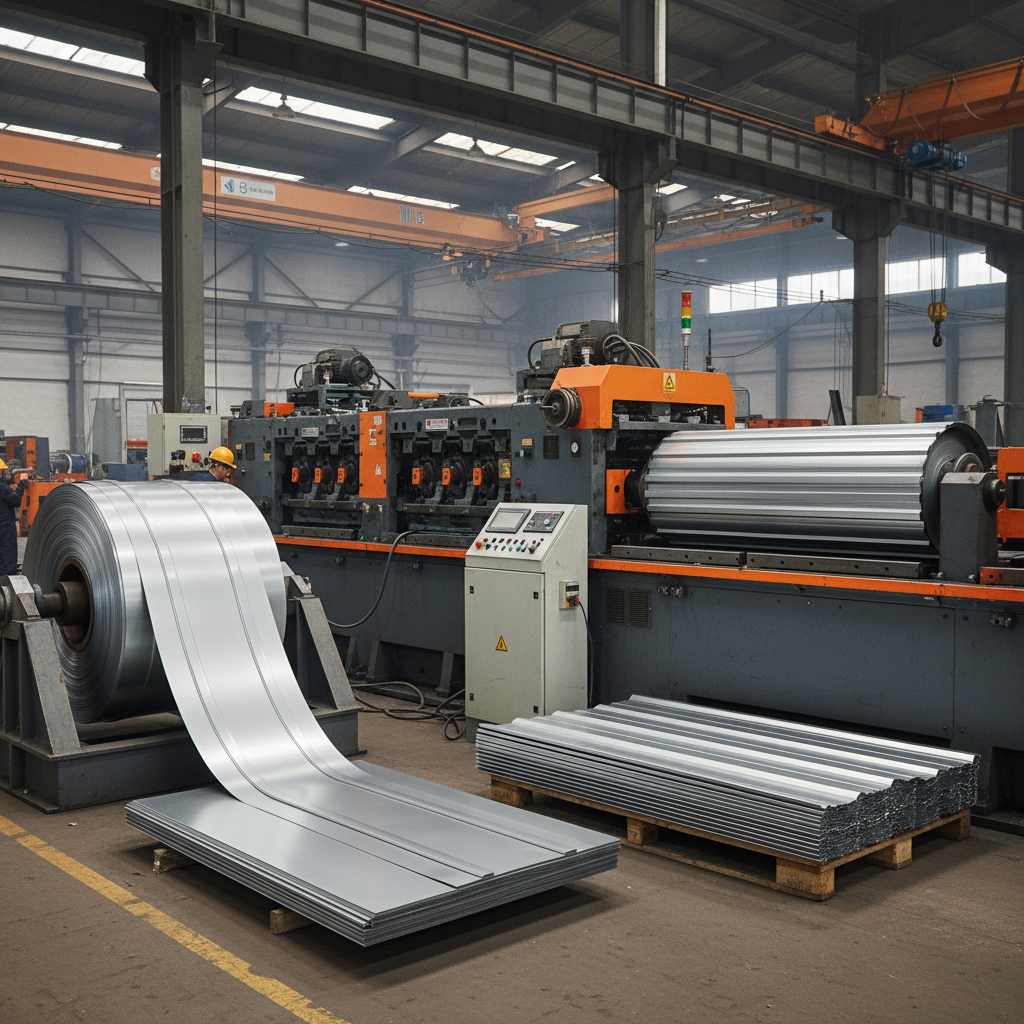
How Does a Corrugated Steel Roll Forming Machine Work?
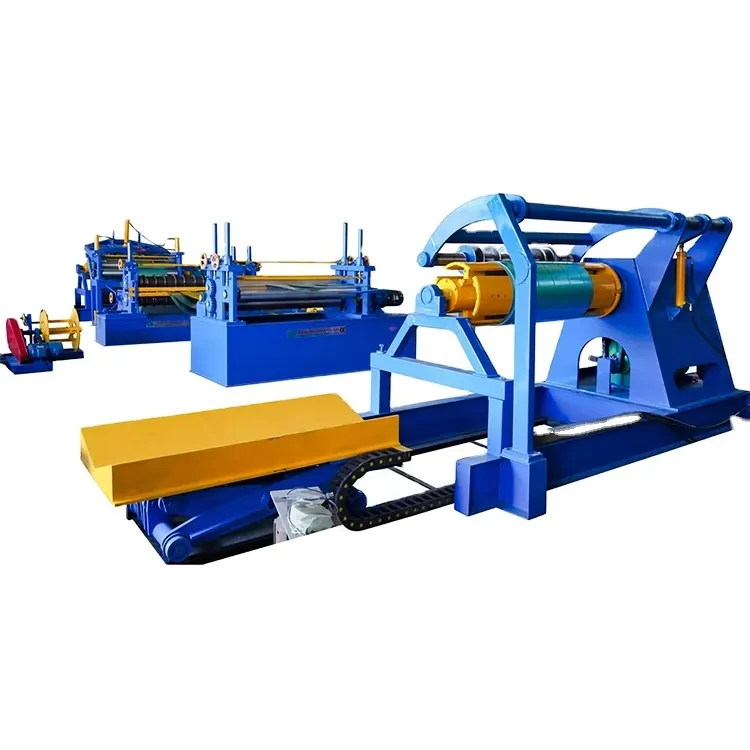
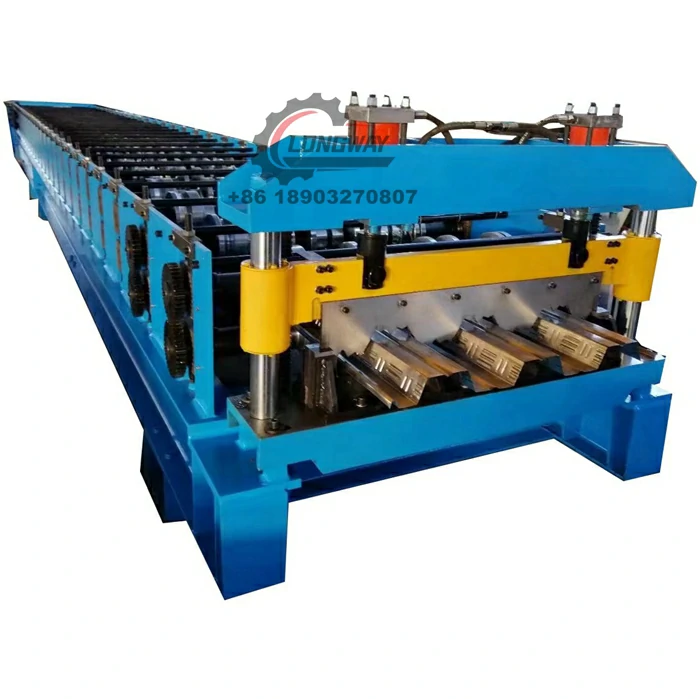
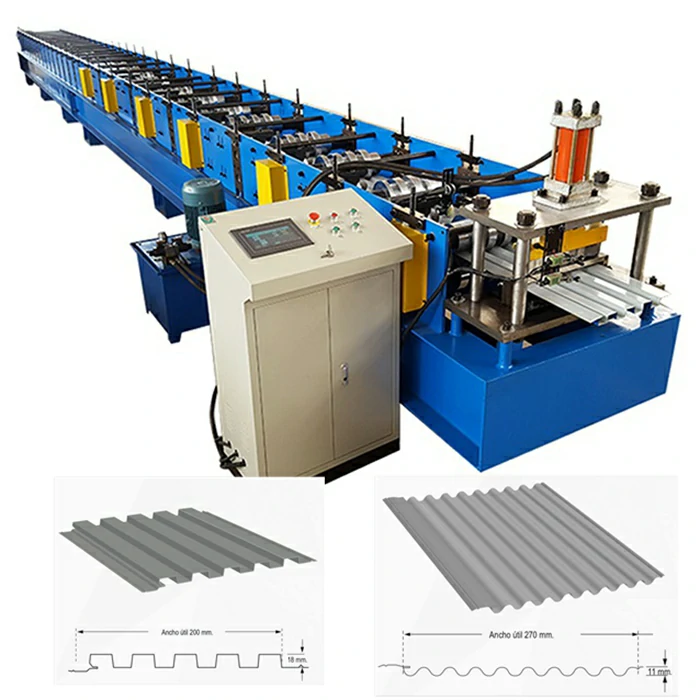
The process begins with a flat coil of steel. This coil is fed through a series of rollers, each precisely shaped to progressively bend the steel into the desired corrugated profile. Each roller station performs a small amount of forming, gradually building up the final shape. The machine’s uncoiler ensures a smooth and consistent material feed. After forming, the corrugated sheet is cut to length using a shearing mechanism. Modern machines often include automated stacking systems for efficient material handling. The accuracy and speed of these machines are critical for maintaining product quality and maximizing throughput.
Key Benefits: High production speed, precise shaping, minimal material waste, and consistent product quality.
Key Components of a Corrugated Steel Roll Forming Machine
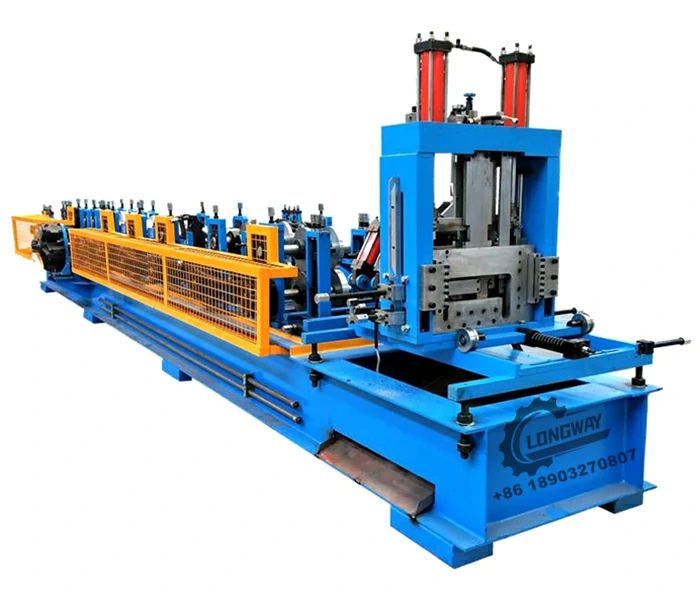
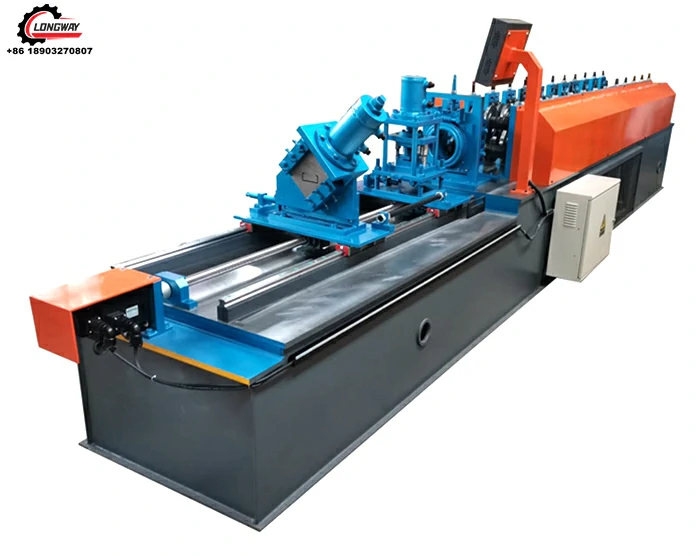
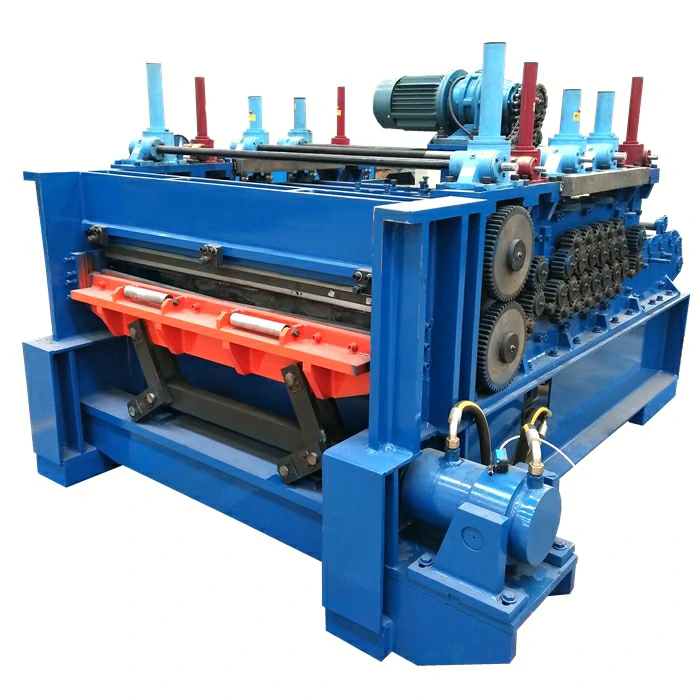
A typical corrugated steel roll forming machine comprises several essential components. These include an uncoiler to unwind the steel coil, a leveling unit to flatten the steel, a roll forming section with a series of profiled rollers, a cutting mechanism (typically a shearing blade), and a run-out table to support the finished product. Control systems, often PLC-based, manage the entire process ensuring accuracy and consistency. The quality of these components directly impacts the machine’s performance and longevity.
Essential Components:
• Uncoiler
• Leveling Unit
• Roll Forming Section
• Cutting Mechanism
• Run-Out Table
Corrugated Steel Roll Forming Machine: Types and Applications
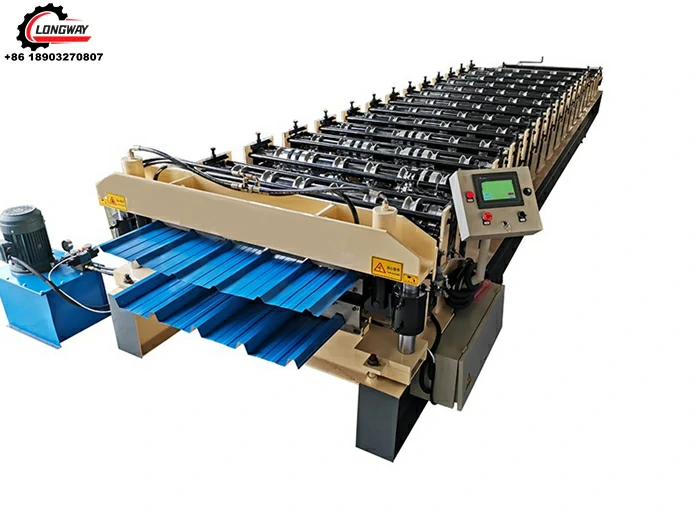
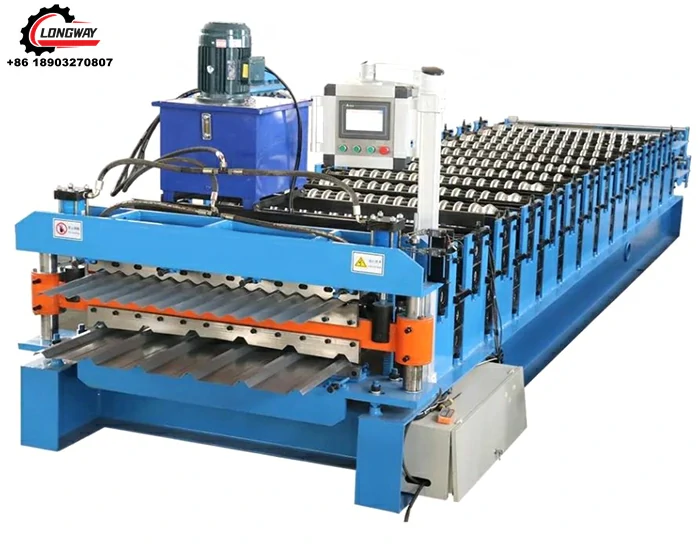
Different types of corrugated steel roll forming machines cater to varying production needs and sheet profiles. Single-wave machines are ideal for basic roofing applications, while double-wave or multi-wave machines produce more complex profiles for wall cladding and structural components. The thickness of the steel processed and the width of the sheet are also key specifications to consider. Common applications span across the construction industry, agricultural buildings, storage facilities, and industrial structures. Choosing the correct machine configuration is vital for maximizing efficiency and achieving desired product characteristics.
Choosing the Right Corrugated Steel Roll Forming Machine
Selecting the appropriate corrugated steel roll forming machine involves careful consideration of your production volume, desired sheet profiles, material thickness, and budget. It's crucial to assess your long-term needs and choose a machine that can adapt to future requirements. Factors such as machine automation level, ease of maintenance, and the manufacturer’s reputation for reliability are also paramount. At LW Roll Forming Machine, we offer customized solutions to meet your specific demands.
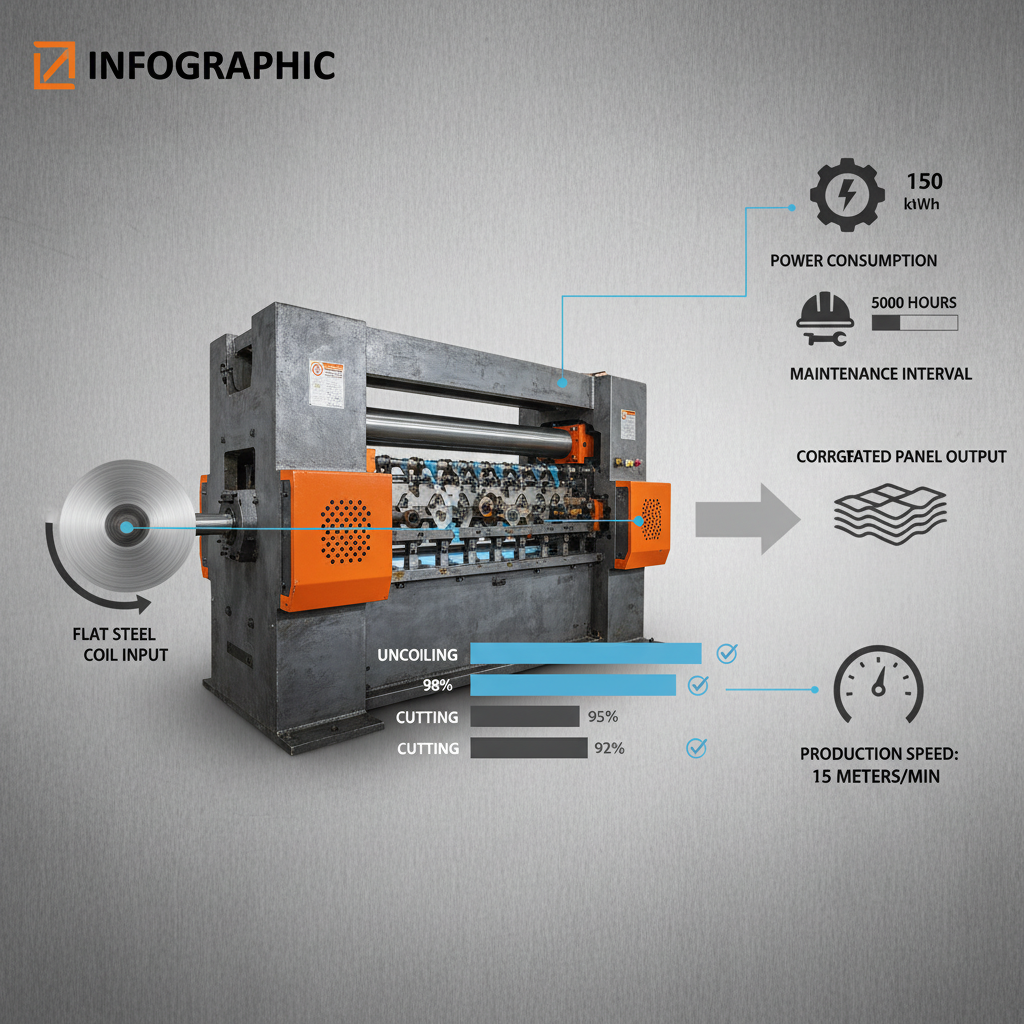
LW Roll Forming Machine: Your Trusted Partner
At LW Roll Forming Machine, we are committed to providing high-quality, reliable, and customized roll forming solutions. We offer a wide range of corrugated steel roll forming machines designed to meet the diverse needs of our clients. Our team of experienced engineers and technicians provides comprehensive support, from machine design and manufacturing to installation and after-sales service. We prioritize customer satisfaction and strive to deliver innovative solutions that enhance your productivity and profitability. Contact us today to discuss your project and discover how we can help you achieve your manufacturing goals.
Conclusion: Invest in Quality and Efficiency
Investing in a high-quality corrugated steel roll forming machine is a strategic decision that can significantly enhance your manufacturing capabilities. LW Roll Forming Machine offers reliable solutions tailored to your specific needs, backed by exceptional customer support. Choose efficiency, durability, and innovation – choose LW Roll Forming Machine.
Frequently Asked Questions (FAQs)
What is the typical production speed of a corrugated steel roll forming machine?
The production speed varies depending on the machine's complexity, material thickness, and the profile being formed. However, a typical machine can produce between 8 to 30 meters of corrugated steel per minute. More advanced, fully automated machines can achieve even higher speeds. Factors like material handling efficiency and cutting accuracy also impact overall production output. The skilled team at LW Roll Forming Machine can help you determine the ideal machine configuration for your desired production rate.
What type of steel can be used with these machines?
Corrugated steel roll forming machines are versatile and can process various types of steel, including galvanized steel, galvalume steel, PPGI (pre-painted galvanized iron), and stainless steel. The specific steel grade and thickness will depend on the application and the machine's capabilities. It’s crucial to ensure the steel is within the machine’s specified range to maintain optimal performance and prevent damage.
What level of automation is available?
We offer a range of automation levels, from semi-automatic to fully automatic machines. Semi-automatic machines require manual loading and unloading of the steel coil, while fully automatic machines feature automated uncoiling, leveling, roll forming, cutting, and stacking systems. The level of automation you choose will depend on your production volume, labor costs, and desired efficiency.
What kind of maintenance is required for these machines?
Regular maintenance is essential for ensuring the longevity and optimal performance of your corrugated steel roll forming machine. This includes lubricating moving parts, inspecting rollers for wear, cleaning the machine, and checking electrical connections. Preventative maintenance schedules can help identify and address potential issues before they escalate. LW Roll Forming Machine provides comprehensive maintenance support and spare parts.
-
High Precision Customized Z Purlin Roll Forming Machine GuideNewsApr.16, 2026
-
High Precision customized steel structure floor deck roll forming machineNewsApr.09, 2026
-
Comprehensive Guide to Customized Roof Tile Roll Forming Machine SolutionsNewsApr.07, 2026
-
Optimizing Metal Fabrication with a Customized Roll Forming Machine SolutionNewsApr.04, 2026
-
Comprehensive Guide to Customized Profile Roll Forming Machine SolutionsNewsMar.31, 2026
-
Customized Light Steel Keel Roll Forming Machine Solutions and ApplicationsNewsMar.28, 2026
-
Optimized Production with a Customized Double Layer Roll Forming Machine SolutionNewsMar.26, 2026