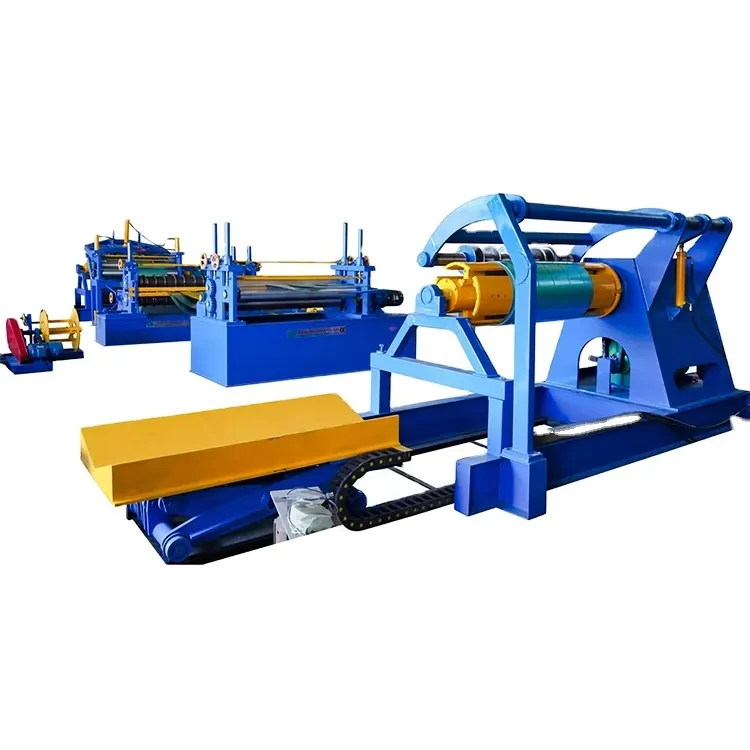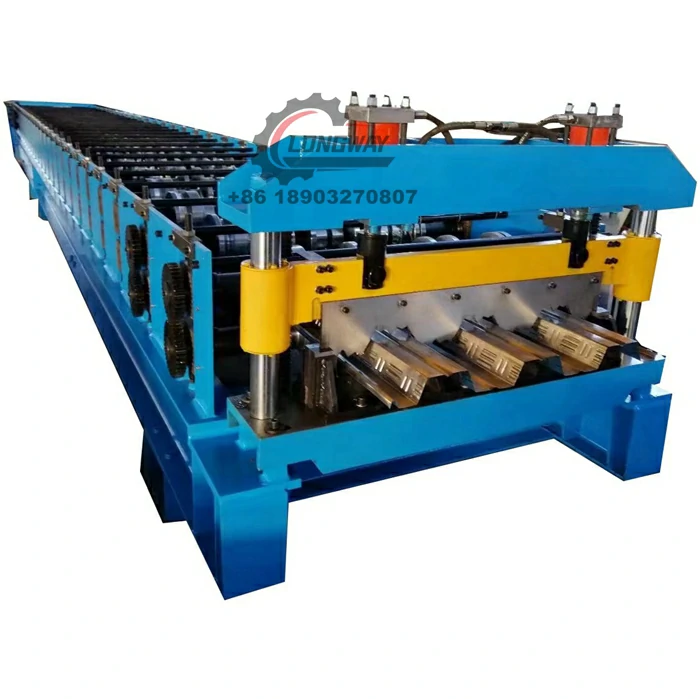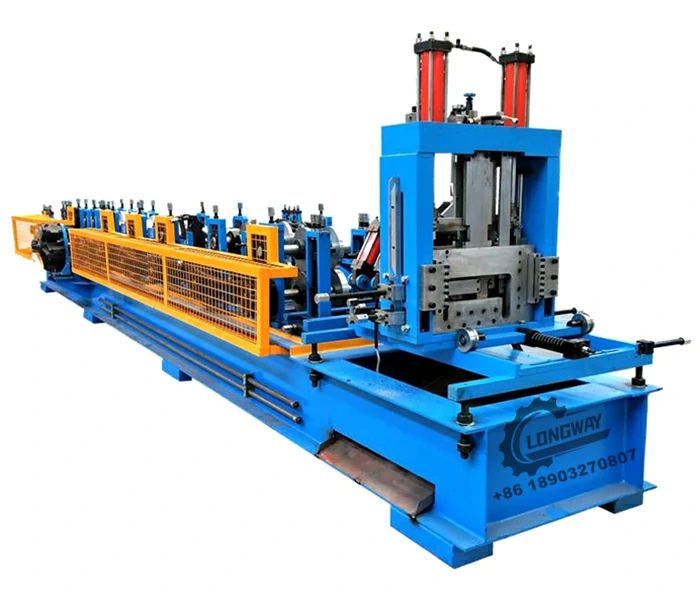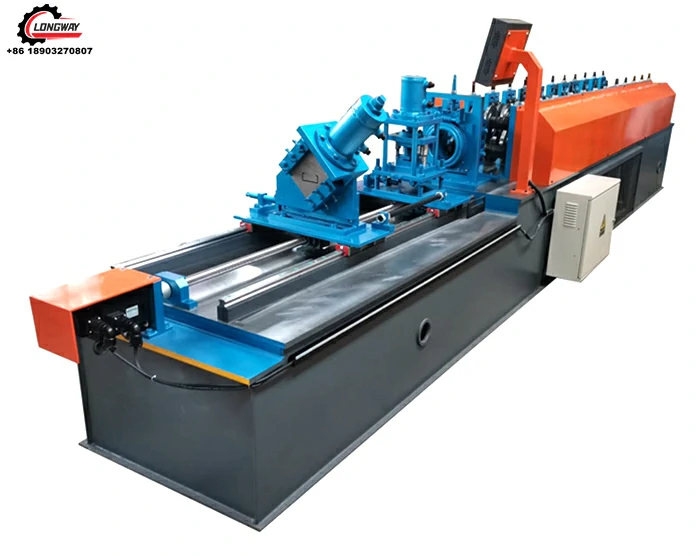
Reliable China Keel Roll Forming Machine for Construction
China Keel Roll Forming Machine: A Solid Choice in Industrial Equipment
Having spent years around industrial equipment and manufacturing floors, I've noticed how vital small yet precise machines can be — especially when it comes to construction components like metal keels. The China keel roll forming machine has quietly become a go-to solution for many manufacturers worldwide, and frankly, it’s appealing for more reasons than one.
Let me walk you through what makes this machine stand out and why it deserves a bit of your attention, if you’re in the market for reliable roll forming technology.
A Bit About the Machine’s Design and Build
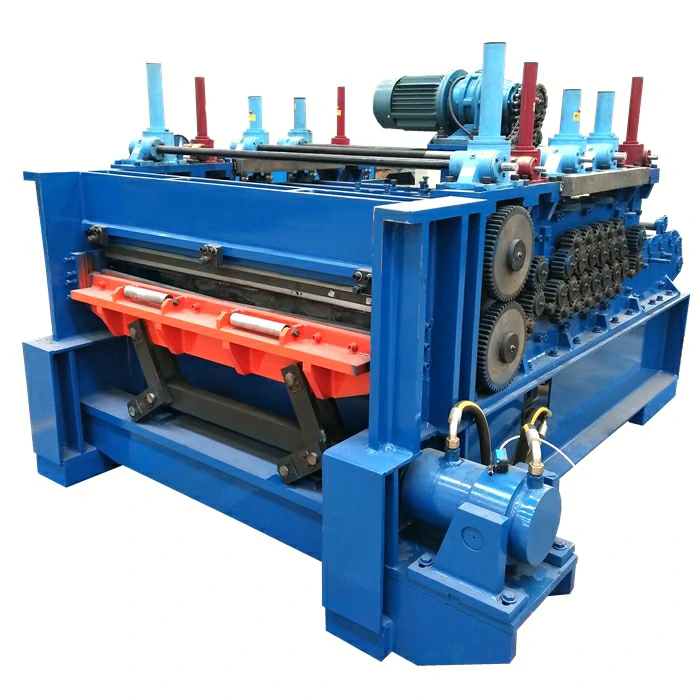
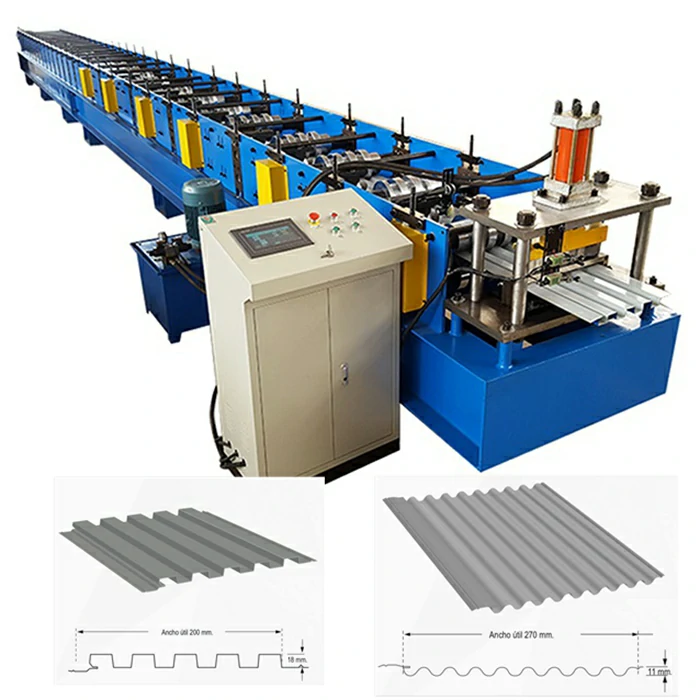
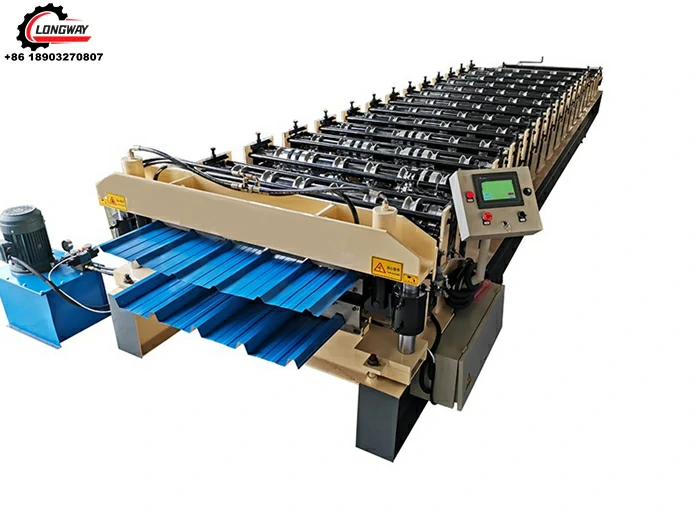
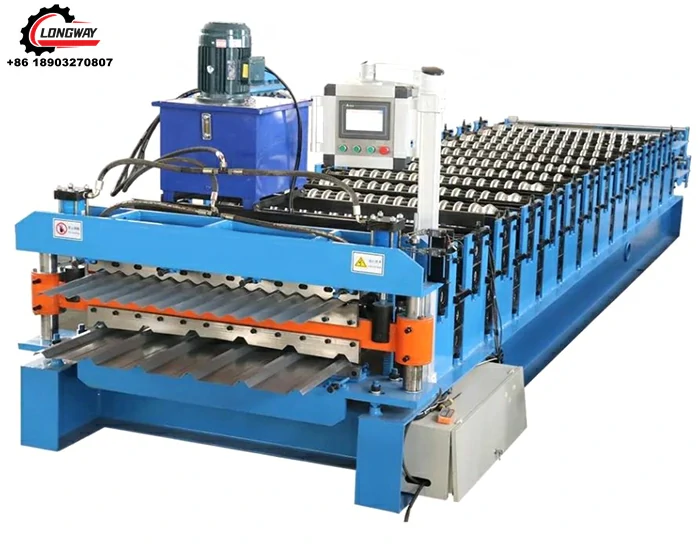
Keel roll forming machines from China often catch engineers’ eyes because of their robust build and thoughtful engineering. These machines are designed to shape cold-rolled steel coils into metal keels, which are widely used in drywall partitions and ceilings. I’ve noticed many models feature PLC control systems — that means they’re programmable, allowing for consistent quality and adjustable production runs.
Oddly enough, some suppliers put a surprising amount of emphasis on customization. Whether it’s the thickness range of steel sheets or the shape of the keel profiles, they tend to offer a flexible setup to accommodate various construction needs. This is crucial because no two projects are exactly alike.
| Specification | Typical Detail |
|---|---|
| Material Thickness | 0.3mm - 0.8mm |
| Roll Stations | 18 - 22 stations |
| Forming Speed | 8 - 12 m/min |
| Power Supply | 380V, 50Hz, 3 Phase |
| Control System | PLC with Touch Screen |
| Total Weight | Approx. 3.5 tons |
How It Stacks Up: A Quick Vendor Comparison
Now, in real terms, when you're scouting for these machines, you’ll encounter several manufacturers from China who each bring something slightly different to the table. Here’s a very condensed comparison of three well-known suppliers:
| Vendor | Price Range (USD) | Customization | Lead Time | After-Sales Support |
|---|---|---|---|---|
| L&W Rollforming | $25,000 – $35,000 | High | 4-6 weeks | Comprehensive |
| Zhongyi Equipment | $20,000 – $28,000 | Medium | 5-7 weeks | Basic |
| Guangdong Machinery | $22,000 – $30,000 | Low | 3-5 weeks | Limited |
Usage, Testing & Real-World Feedback
In practice, these machines are pretty straightforward but very precise. Many engineers I’ve spoken to highlight how crucial the pre-testing phase is — running sample metal sheets through to make sure the profiles come out exactly as desired. This tweaking stage might take some patience but pays off in better production runs.
As a little anecdote, a former colleague ran a small factory specializing in ceiling partitions. When they switched to a China keel roll forming machine, production speed and quality control noticeably improved. It felt like trading in a rusty bicycle for a mountain bike; it just handled better and faster.
They also appreciated the relatively low maintenance requirements. Most issues boil down to regular lubrication and occasional alignment checks. Frankly, that’s about as much fuss as one could hope for in an industrial setup.
Why Opt for a China Keel Roll Forming Machine?
To sum it up, if you’re balancing cost, quality, and customization, these machines often hit a sweet spot. The price points remain competitive without sacrificing durability or modern control technology. Customization options are a nice touch, something not always seen in other countries’ offerings.
Still, it’s wise to approach any purchase with thorough vetting. Check recent projects, ask for videos of actual operation, and don’t hesitate to request factory visits or testimonials.
And if you want a trustworthy starting point, this China keel roll forming machine supplier has shown consistent positive reviews in the community — a solid foundation for your inquiry.
Well, that’s my two cents after years punching in and out of industrial plants. Machines like these quietly turn out to be the backbone of many construction projects — and not just in China, but worldwide.
Sometimes the simple machines do the heavy lifting — literally.
References:
- Industry interviews and practical experience, 2015-2024
- Specification sheets and product reviews from L&W Rollforming
- Customer testimonials and case studies shared by equipment users
-
High Precision Customized Z Purlin Roll Forming Machine GuideNewsApr.16, 2026
-
High Precision customized steel structure floor deck roll forming machineNewsApr.09, 2026
-
Comprehensive Guide to Customized Roof Tile Roll Forming Machine SolutionsNewsApr.07, 2026
-
Optimizing Metal Fabrication with a Customized Roll Forming Machine SolutionNewsApr.04, 2026
-
Comprehensive Guide to Customized Profile Roll Forming Machine SolutionsNewsMar.31, 2026
-
Customized Light Steel Keel Roll Forming Machine Solutions and ApplicationsNewsMar.28, 2026
-
Optimized Production with a Customized Double Layer Roll Forming Machine SolutionNewsMar.26, 2026