Reliable China IBR Sheet Roll Forming Machine Supplier Guide
Choosing the Right China IBR Sheet Roll Forming Machine Supplier for Your Industrial Needs
Having spent close to a decade on factory floors and installation sites, I’ve seen my fair share of roll forming machines. But if there’s one thing I can say with certainty, it’s that not all China IBR sheet roll forming machine suppliers are created equal. You’d think a machine is just a machine, right? Turns out, there’s a world of difference in design precision, build quality, and after-sales support.
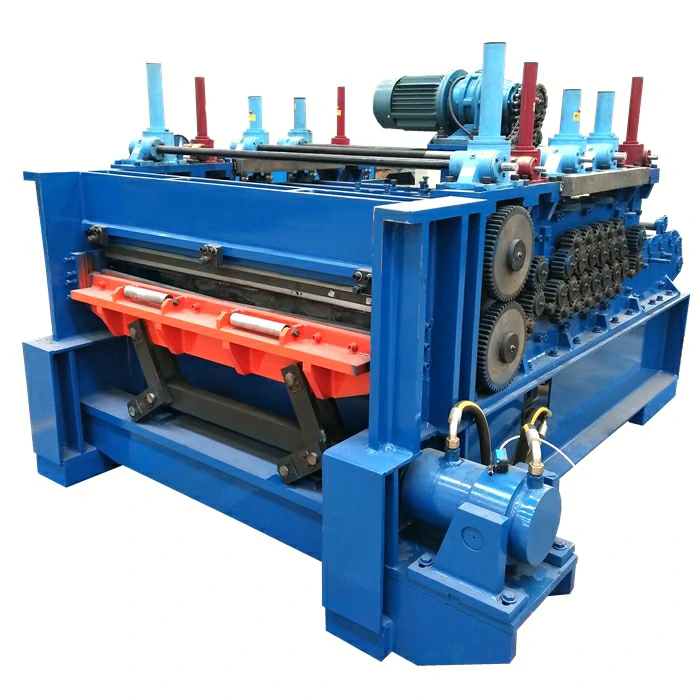
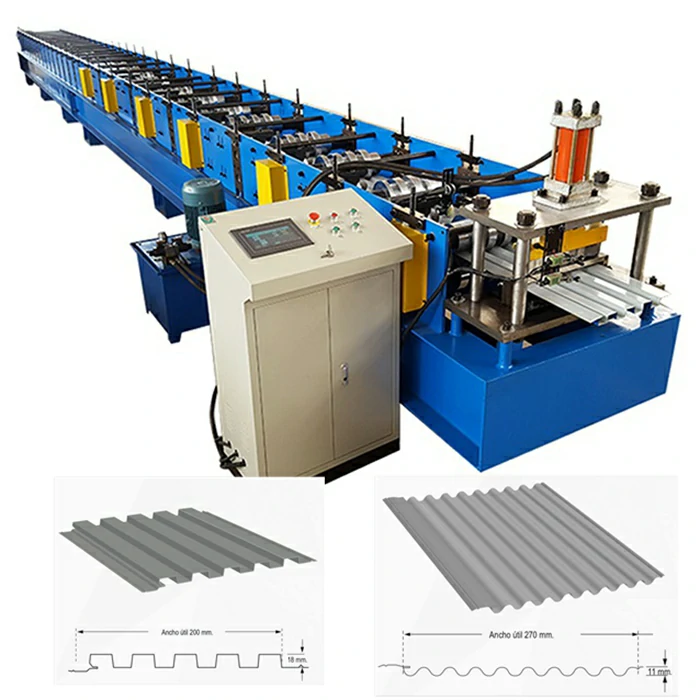
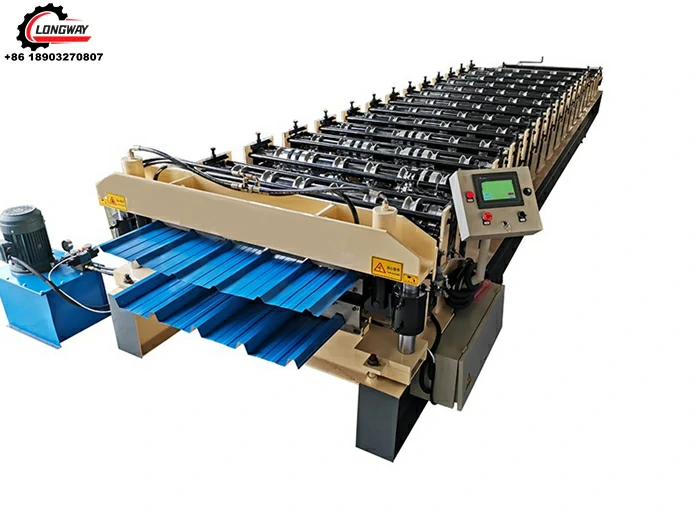
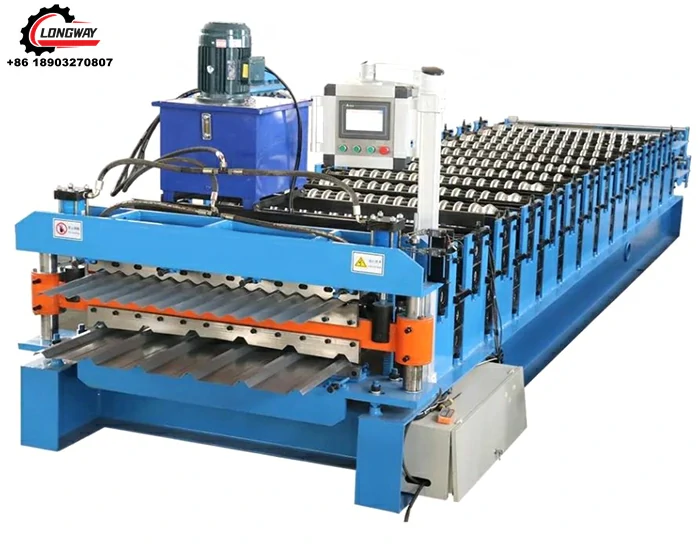
IBR (Inverted Box Rib) sheet roll forming machines play a pivotal role in roofing and cladding industries. They churn out those ribbed metal sheets that keep buildings sturdy and weatherproof—often quietly going about their business in the background. What I find interesting is how suppliers from China have really upped their game over the years. They managed to blend affordability with surprisingly good customization options, which is something many engineers appreciate.
Now, if you ask around, many say that the reality of working with overseas suppliers is sometimes bumpy—language barriers, delayed shipments, or inconsistent technical support can be a headache. Still, the right partner makes all the difference. Something like China IBR sheet roll forming machine supplier that prioritizes clear communication and precise engineering often earns much respect.
One detail that often flies under the radar is the machine’s frame structure and material quality. For IBR machines, sturdy welded steel frames are a must, ideally processed by CNC to maintain the tolerances that prevent annoying playback issues. I once saw a machine where the frame was slightly warped—caused alignment issues and prematurely wore down rollers. Not fun.
Most good suppliers offer a hydraulic cutting system, which frankly feels smoother than mechanical shearing. This saves downtime and minimizes sheet deformation, particularly in high-volume production. During factory inspections, I noticed the electrical components tend to be from reputable brands—Schneider, Siemens—adding to machine reliability.
Because versatility matters, customization options like variable roll count, desired sheet thickness range, and even motor brands come up a lot in client chats. Chinese suppliers often accommodate these requests, but you still want to get all specs in writing—trust me, it’s worth the effort.
| Specification | Details |
|---|---|
| Max Sheet Width | 1200 mm |
| Sheet Thickness Range | 0.3 – 0.8 mm |
| Forming Stations (Rollers) | 16-20 |
| Cutting System | Hydraulic, PLC controlled |
| Motor Power | 7.5 kW |
| Operation Speed | 8-12 m/min |
Of course, specs only tell part of the story. Another angle is supplier trustworthiness. Here’s a quick vendor comparison I gathered during past bidding rounds:
| Supplier | Build Quality | Customization | After-Sales Support | Price |
|---|---|---|---|---|
| LW Roll Forming Machine | Excellent (CNC frame) | High (tailored design) | Responsive & global | Competitive |
| Supplier B | Good | Moderate | Limited | Lower |
| Supplier C | Fair | Low | Poor | Lowest |
A quick story: a client of mine needed a machine with special forming station spacing — a rarity for standard production lines. After talking to a few vendors, LW Roll Forming Machine’s tailored approach made the difference. The machine arrived, was installed within weeks, and has been humming reliably since. That kind of real-world responsiveness is rare but priceless.
So, while it’s tempting to go for the lowest price in raw terms, I always remind colleagues to factor in machine longevity, local support, and clear documentation. Frankly, it usually pays off in spades.
If you’re sourcing an China IBR sheet roll forming machine supplier, keep these insights in mind. It feels like both the machines and the suppliers are evolving closer to global standards than ever before — with the right partner, you’re not just buying hardware, but peace of mind.
References:
- Industry factory audits and firsthand machine inspection notes (2018–2023)
- Supplier technical datasheets and vendor comparison compiled from bids
- Client case studies and follow-up interviews from 2021–2023
-
High Precision Customized Z Purlin Roll Forming Machine GuideNewsApr.16, 2026
-
High Precision customized steel structure floor deck roll forming machineNewsApr.09, 2026
-
Comprehensive Guide to Customized Roof Tile Roll Forming Machine SolutionsNewsApr.07, 2026
-
Optimizing Metal Fabrication with a Customized Roll Forming Machine SolutionNewsApr.04, 2026
-
Comprehensive Guide to Customized Profile Roll Forming Machine SolutionsNewsMar.31, 2026
-
Customized Light Steel Keel Roll Forming Machine Solutions and ApplicationsNewsMar.28, 2026
-
Optimized Production with a Customized Double Layer Roll Forming Machine SolutionNewsMar.26, 2026