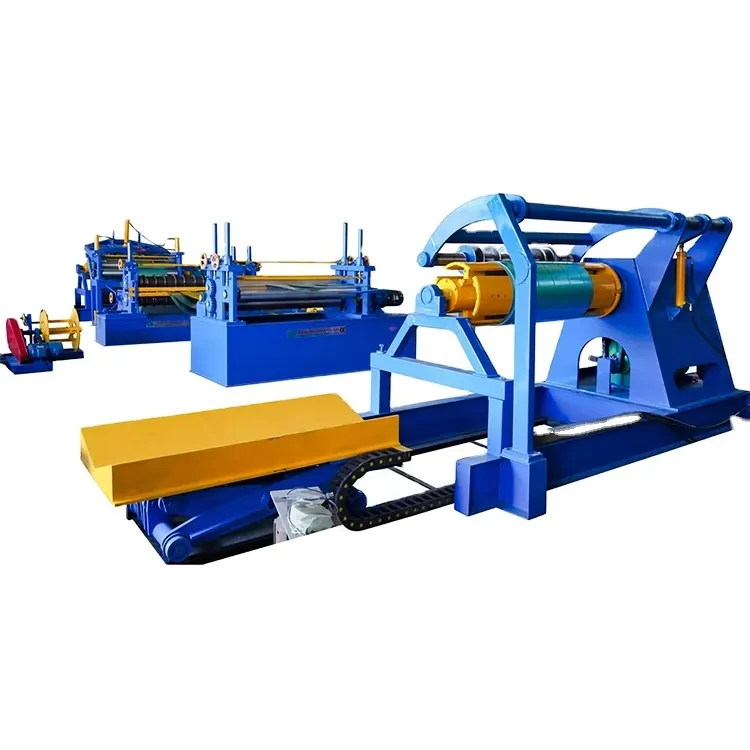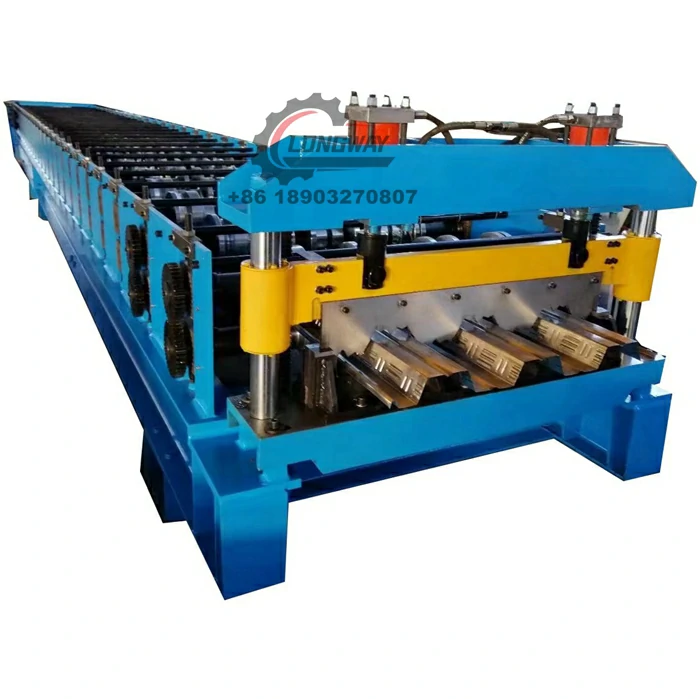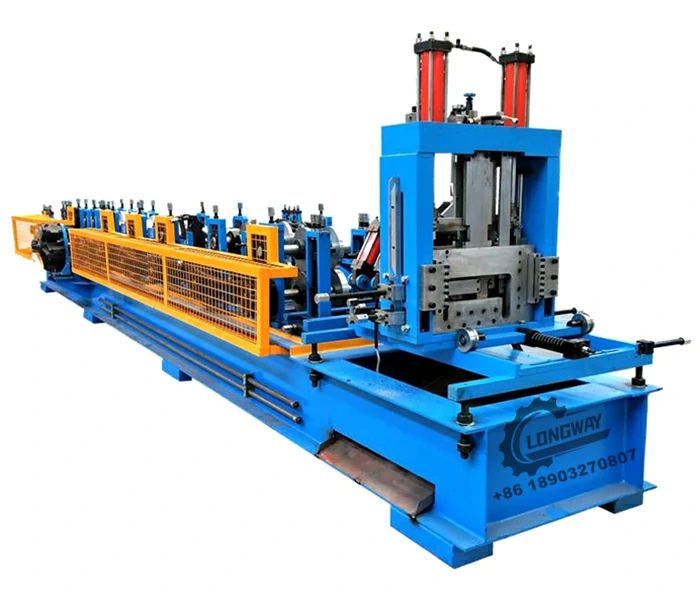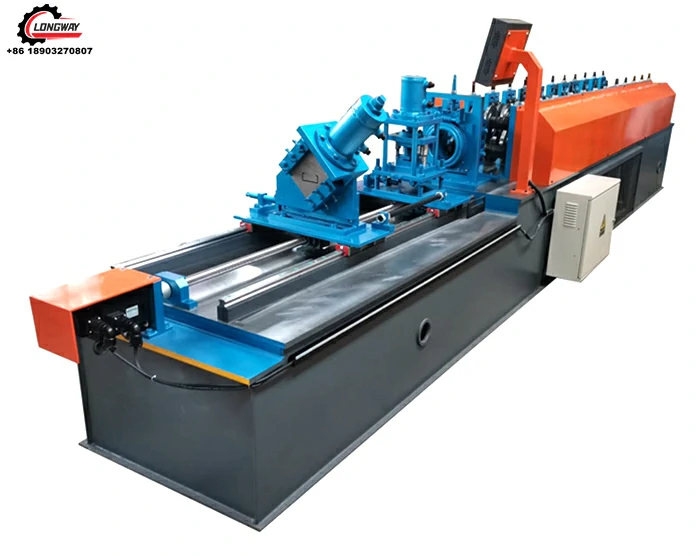
CNC Roll Forming Machine for Precision Metal Fabrication & Industrial Efficiency
What Exactly Is a CNC Roll Forming Machine and Why It Matters Today
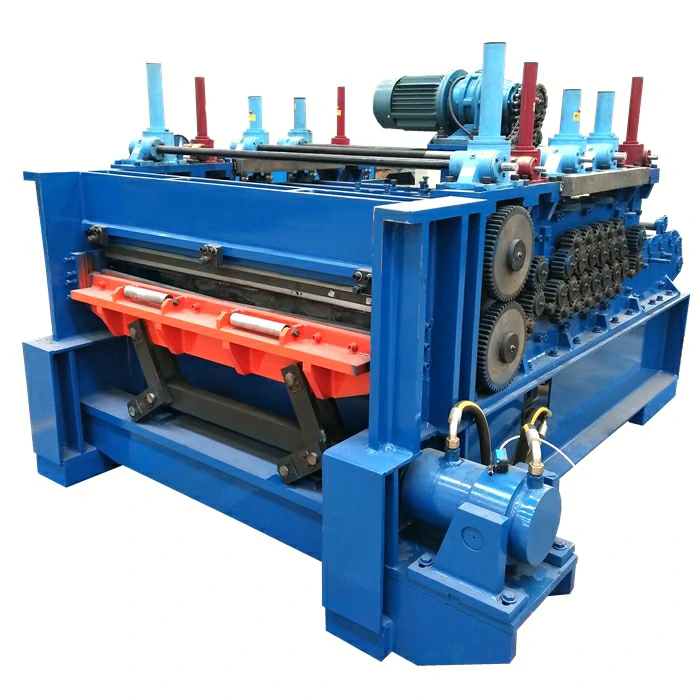
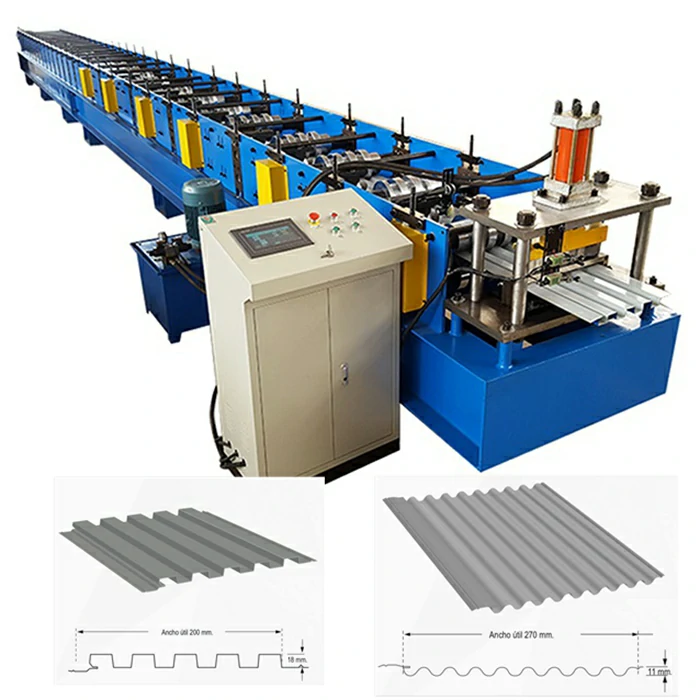
If you’ve ever admired the sleek steel panels on modern buildings or the resilient frames of vehicles, you’ve indirectly witnessed what a cnc roll forming machine does. In simple terms, these advanced machines shape metal coils into precise profiles continuously—imagine bending a long ribbon of sheet metal into a sturdy beam without a hitch.
Why should anyone care? Well, globally, industries are racing to be more efficient, reduce waste, and meet increasing quality standards. The CNC roll forming machine is a quiet hero in sectors from construction to automotive and even humanitarian infrastructure. It streamlines metal fabrication, making products faster and often cheaper, all while maintaining accuracy. In our rapidly urbanizing world—and especially where disaster relief or rapid infrastructure deployment is essential—a reliable roll forming process is gold.
Mini Takeaway: Understanding CNC roll forming machines unlocks a key to modern manufacturing agility.
The Global Scene: How CNC Roll Forming Machines Fit Into Big Picture Manufacturing
According to ISO standards and the World Bank’s latest manufacturing data, metal product fabrication is a multi-billion-dollar industry, growing especially fast in Asia and developing economies. The UN’s industrial development reports highlight a challenge: many regions face shortages in skilled labor and affordable, precise manufacturing tools. Here’s where cnc roll forming machines shine—they offer automation that reflects modern needs for speed and scalability without losing craftsmanship.
Imagine trying to supply steel framing for thousands of homes, quickly and exactly the same. Conventional methods struggle under volume or complexity. The CNC roll forming process cuts through these issues, delivering consistent output, online process control, and adaptability. As construction booms and industrial tech advances, these machines grow from nice-to-have to staple equipment.
Defining CNC Roll Forming Machines for the Everyday Reader
So, what is a CNC roll forming machine? Breaking it down:
- CNC - Computer Numerical Control, meaning the machine’s actions are governed by a computer program.
- Roll forming - A continuous metal shaping technique where a strip passes through sequential rollers to achieve the desired cross-sectional profile.
This approach resonates beyond industry—it can aid rapid shelter construction after disasters or even lightweight frames for renewable energy installations.
Core Components and Key Features That Make These Machines Tick
Precision Control
Every millimeter counts in roll forming. The CNC module ensures rollers shape metal with huge accuracy. This means less scrap, tighter tolerances, and greater repeatability. Engineers often point out that this control helps handle complex profiles that manual machines can’t maintain reliably.
Durability and Heavy-Duty Construction
Because these machines run heavy metals continuously, the frames and rollers are forged from hardened steel, often treated to withstand wear and tear. You don’t want breakdowns mid-production—it’s costly and frustrating.
Scalability
From small workshops to large factories, CNC roll forming machines come in various sizes and configurations. They can run at impressive speeds—upwards of 60 meters per minute—scaling from proto builds to full production lines.
Cost Efficiency
While upfront investment can be considerable, over time the reduced labor, scrap material, and increased throughput translate to lower unit costs. Many manufacturers consider it a no-brainer when volume and quality matter.
Material Compatibility
These machines handle many alloys—from standard cold-rolled steel to aluminum to specialty galvanized sheets—allowing diverse end uses.
Automation & Adaptability
Advanced CNC systems integrate sensors and IoT modules now, enabling adaptive control, error detection, and remote monitoring. It's a kind of digital craftsmanship, if you will.
Mini Takeaway: The blend of toughness and smarts is what makes CNC roll forming machines indispensable.
Where CNC Roll Forming Machines Make a Real-World Difference
Global usage reflects the machine’s versatility. In fast-growing Asian construction markets, they produce cost-effective roofing and wall panels at scale. In automotive hubs across Europe and North America, they create lightweight chassis components that contribute to better fuel efficiency.
Humanitarian groups leverage modular steel frames shaped by CNC roll forming machines to create temporary housing that is faster to erect and more durable than tents—a critical factor post-disaster. In remote industrial zones, these machines' automation enables production with minimal skilled staff.
For instance, a well-known NGO in Southeast Asia adopted a portable, modular CNC roll forming line to produce structural frames on-site for cyclone relief camps. The reduction in logistics cost and time was significant.
The Lasting Value and Advantages
- Cost Savings: Automation reduces waste and labor costs.
- Consistency: Every piece matches spec—even huge batches.
- Sustainability: Less scrap means less environmental impact; often compatible with recycled metals.
- Social Impact: Rapid production supports critical infrastructure or emergency housing.
- Reliability: Built to last, minimizing downtime in vital supply chains.
- Innovation Driver: Enables new designs that were impossible before due to complexity or volume.
On the emotional side, companies report that clients trust products made with CNC roll forming machinery because returns and defects drop sharply. It’s not just savings—it’s peace of mind.
Looking Ahead: Trends and Innovations on the Horizon
The future is bright—many manufacturers are adopting AI-powered CNC controls, improving predictive maintenance, and integrating with Industry 4.0 platforms for real-time analytics. Green energy applications are also expanding, with roll-formed components tailored for solar panel mounts and wind turbines.
Material science progress will let these machines handle ultra-light or composite metals, opening doors to sectors like aerospace. Plus, 3D roll forming (currently experimental) may soon combine roll forming with additive manufacturing techniques.
Common Challenges and How Experts Overcome Them
Like any tech, CNC roll forming machines have hurdles. Initial setup requires precise programming and tooling, which can be complex. Maintenance is critical since tooling wear affects quality. Smaller manufacturers sometimes struggle with upfront costs.
However, modular CNC systems and leasing models are lowering barriers. Experts advise continuous operator training and scheduled diagnostics to keep the line humming.
FAQ: Quick Answers to Common CNC Roll Forming Machine Questions
- Q: How does a CNC roll forming machine reduce waste compared to traditional methods?
A: By precisely controlling the bending process, CNC roll forming minimizes errors that lead to scrap, optimizing material usage and reducing excess cutting or shaping. - Q: Can these machines handle custom profiles for specialized projects?
A: Absolutely. CNC software lets you program unique cross-sections, making it flexible for bespoke industrial needs. - Q: What kind of maintenance is needed?
A: Regular inspection of rollers, lubrication, and software updates keep the machine in tip-top shape. Scheduled downtime for parts replacement is normal but can be minimized with good practice. - Q: Are CNC roll forming machines suitable for small workshops?
A: Yes, there are compact models designed for smaller shops, offering modular setups to match production scale. - Q: How quickly can production ramp up after installation?
A: With trained operators, many factories can reach full production capacity within days or weeks depending on product complexity.
Product Specification: A Typical CNC Roll Forming Machine (Example Model)
| Feature | Specification |
|---|---|
| Max Strip Width | 600 mm |
| Material Thickness | 0.4 - 3.0 mm |
| Roll Stations | 16 |
| Max Speed | 45 m/min |
| CNC Control System | Siemens S7 |
| Power Supply | 380V, 50Hz, 22 kW |
| Weight | 6,500 kg |
Vendor Comparison: Leading CNC Roll Forming Machine Manufacturers
| Vendor | Price Range | Customization Level | Support & Training | Typical Application |
|---|---|---|---|---|
| LW Roll Forming Machine | $$$ | High | Full (On-site & Remote) | Roofing, Wall Panels, Structural |
| BrandX Machinery | $$ | Medium | Online Help & Manuals | Automotive Parts |
| SteelForm Inc. | $$$$ | Very High | Premium 24/7 Support | Aerospace, Custom Profiles |
Bringing It All Together
The cnc roll forming machine represents a powerful intersection of traditional metal shaping craftsmanship with modern digital precision. Its ability to reduce waste, accelerate production, and maintain quality makes it invaluable across industries and geographies. Whether you're a contractor, a manufacturer, or working in rapidly deployable infrastructure, these machines can provide durable, reliable solutions that scale with your ambitions.
Frankly, in a world demanding faster, smarter manufacturing, the CNC roll forming machine isn’t going anywhere, and neither should your interest in how it can help your projects.
Visit our website to explore models, customization options, and expert support.
References:
-
High Precision Customized Z Purlin Roll Forming Machine GuideNewsApr.16, 2026
-
High Precision customized steel structure floor deck roll forming machineNewsApr.09, 2026
-
Comprehensive Guide to Customized Roof Tile Roll Forming Machine SolutionsNewsApr.07, 2026
-
Optimizing Metal Fabrication with a Customized Roll Forming Machine SolutionNewsApr.04, 2026
-
Comprehensive Guide to Customized Profile Roll Forming Machine SolutionsNewsMar.31, 2026
-
Customized Light Steel Keel Roll Forming Machine Solutions and ApplicationsNewsMar.28, 2026
-
Optimized Production with a Customized Double Layer Roll Forming Machine SolutionNewsMar.26, 2026