China Metal Roll Forming Machine Factory - Reliable & Customizable Equipment
Exploring a China Metal Roll Forming Machine Factory
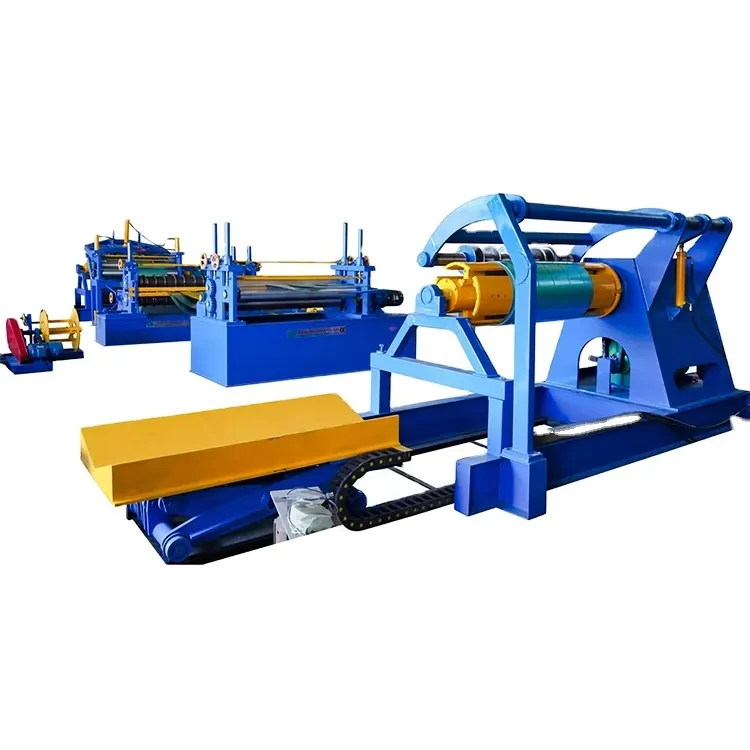
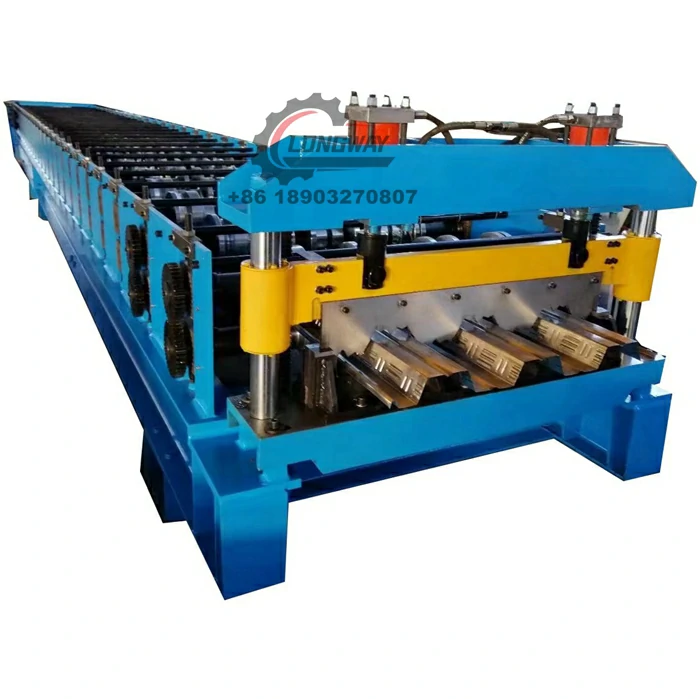
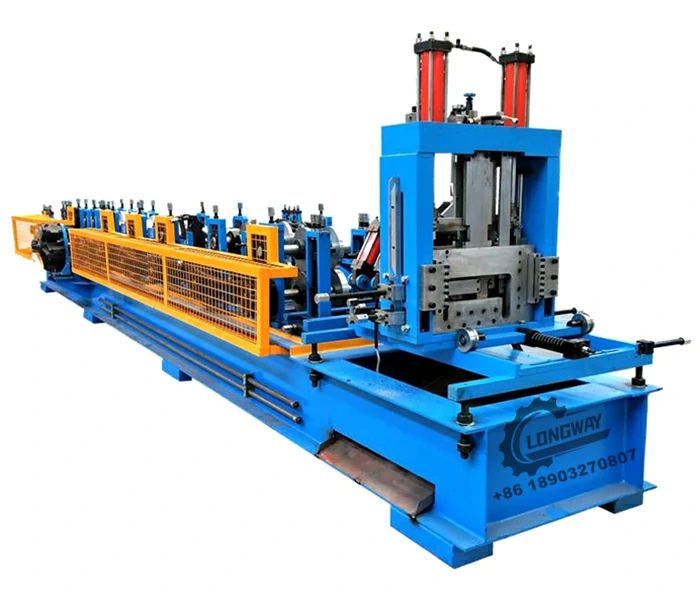
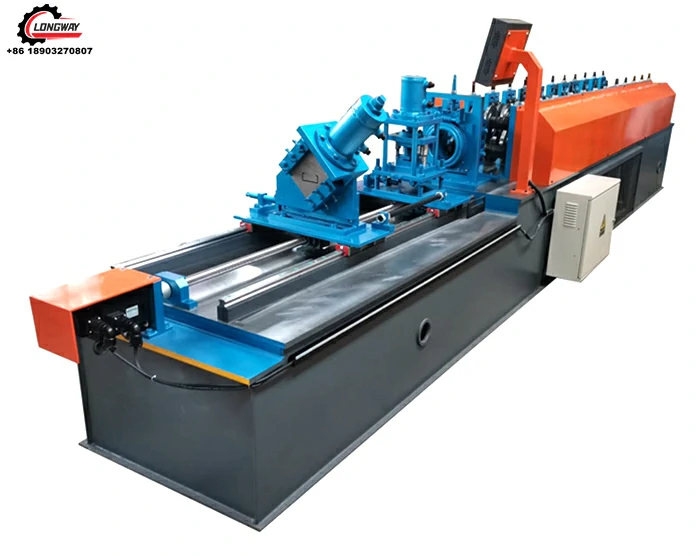
Having worked around industrial equipment for over a decade, I’ve seen firsthand how vital roll forming machines are to manufacturing, especially in metal processing. Oddly enough, the buzz around china metal roll forming machine factory often feels a bit like a mystery to outsiders. However, if you dig deeper, these factories are hubs of technical know-how and customization. They balance robust engineering with efficient production – kind of like the unsung heroes of the metal fabrication world.
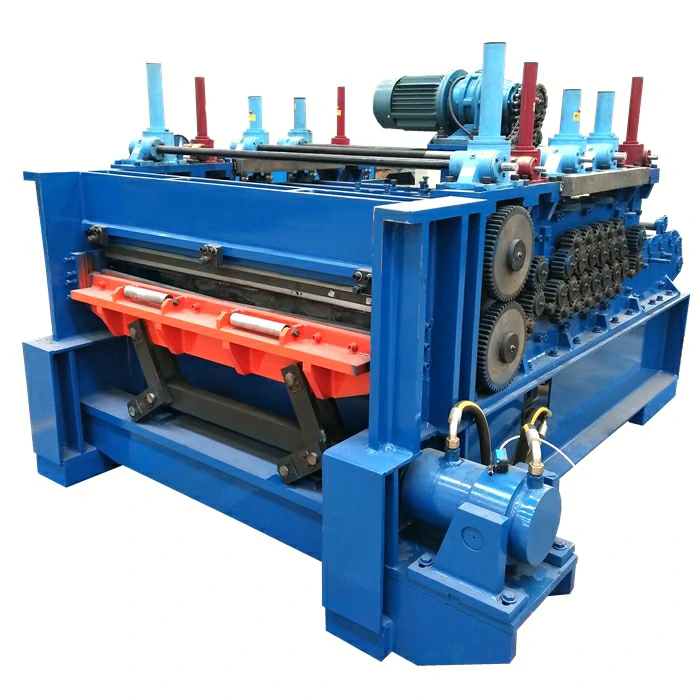
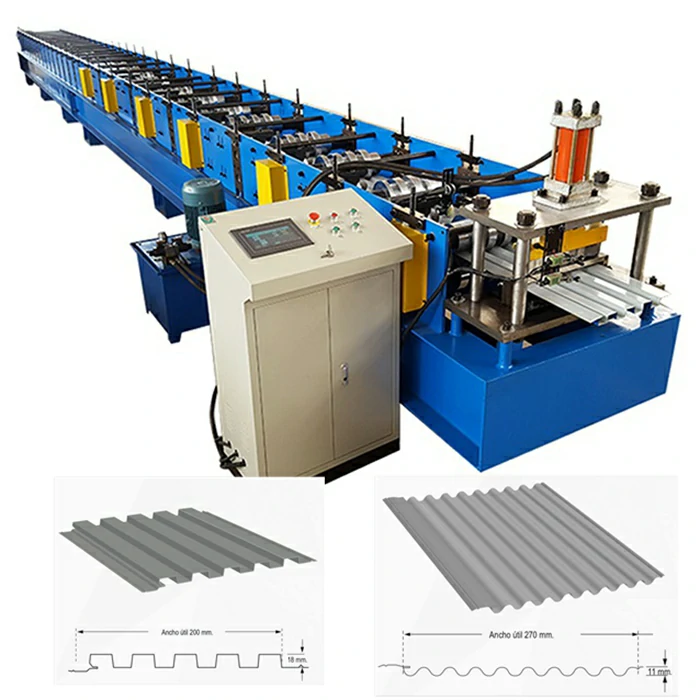
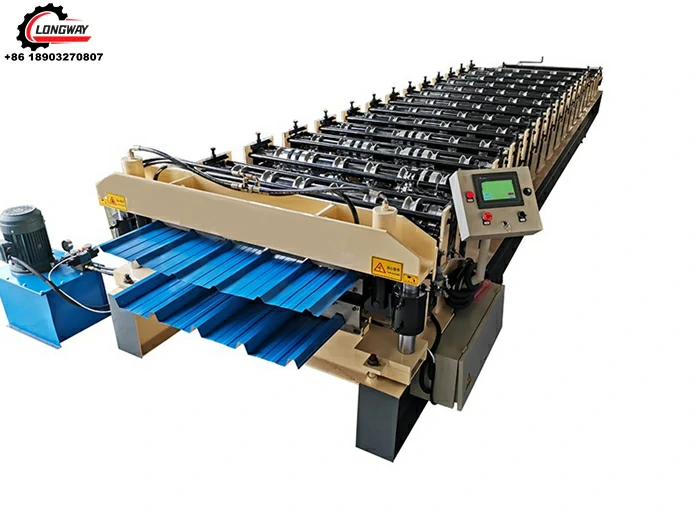
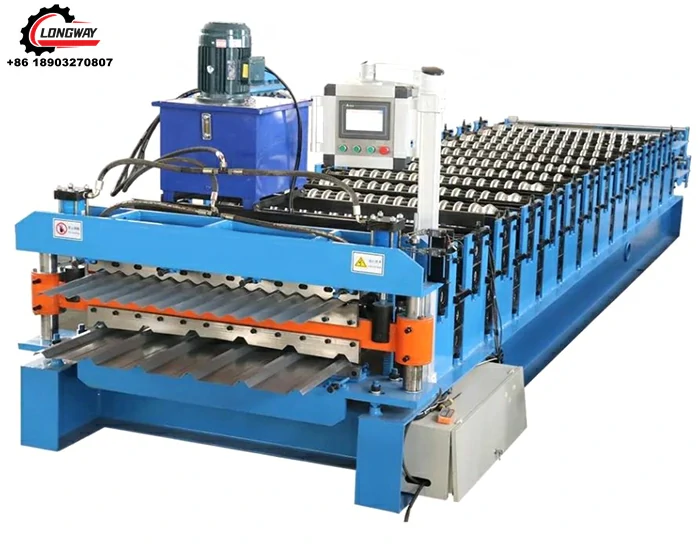
So, what exactly happens in one of these factories? Well, for starters, roll forming is a continuous bending operation. Sheets or strips of metal pass through consecutive rollers that progressively shape the material without compromising strength. Factories in China have stepped up big time in advancing these machines, improving precision and speeding up output.
From my experience visiting a few such factories, I noticed how engineering teams really focus on materials—using high-grade steel components for rollers and frames because, frankly, the machines take a beating in daily use. I suppose the secret to lasting roll forming equipment lies in the combination of quality metal parts and rigorous testing before shipment. Many engineers say these factories run durability tests simulating years of operation in a matter of days.
Here’s a quick rundown of a representative roll forming machine model you might find in these factories:
| Specification | Detail |
|---|---|
| Material Type | Cold Rolled Steel / Aluminum |
| Forming Stations | 15-20 rollers |
| Max Coil Width | 1250 mm |
| Thickness Range | 0.3 - 3.0 mm |
| Power Supply | 380V, 50Hz, 3 Phase |
| Operating Speed | 8-12 m/min |
| Control System | PLC with Touchscreen Interface |
Customization is another important angle. These factories routinely adapt their designs to suit specific product lines — roof panels, framing studs, agricultural equipment parts, you name it. A colleague once told me about a client needing machines with extra-wide rollers for thick steel sheets; the factory not only met the specs but optimized the feeding mechanism for faster throughput. Those little bespoke tweaks make a huge difference in the field.
Now, if you’re considering buying from a China metal roll forming machine factory, it’s good to glance beyond price. I put together a quick comparison of some top vendors I’ve researched:
| Feature | Vendor A | Vendor B | Vendor C |
|---|---|---|---|
| Machine Quality | High (ISO certified) | Medium | High |
| Customization Options | Extensive | Limited | Moderate |
| After-sales Support | 24/7 support, onsite service | Email support only | Phone and remote support |
| Lead Time | 4-6 weeks | 6-8 weeks | 5-7 weeks |
| Price Range | $$$ | $$ | $$$ |
I recall a small business owner I met who bought from one factory after comparing about five. They ended up with a machine that fit their niche perfectly—a testament to the strong customization and solid after-sales service these factories provide. It’s not just a product but a partnership, frankly.
To sum it up, if you’re hunting for reliable metal roll forming machinery, Chinese factories mix traditional engineering with modern tech and pragmatic customization. They’re not always the flashiest, but in real terms, they deliver solid, tested machines that stand up to daily industrial demands. You kind of have to see it to believe it – but trust me, it’s worth the look.
-
High Precision Customized Z Purlin Roll Forming Machine GuideNewsApr.16, 2026
-
High Precision customized steel structure floor deck roll forming machineNewsApr.09, 2026
-
Comprehensive Guide to Customized Roof Tile Roll Forming Machine SolutionsNewsApr.07, 2026
-
Optimizing Metal Fabrication with a Customized Roll Forming Machine SolutionNewsApr.04, 2026
-
Comprehensive Guide to Customized Profile Roll Forming Machine SolutionsNewsMar.31, 2026
-
Customized Light Steel Keel Roll Forming Machine Solutions and ApplicationsNewsMar.28, 2026
-
Optimized Production with a Customized Double Layer Roll Forming Machine SolutionNewsMar.26, 2026