China Corrugated Roof Roll Forming Machine – Reliable & Efficient
China Corrugated Roof Roll Forming Machine: A Workhorse of the Industrial Sector
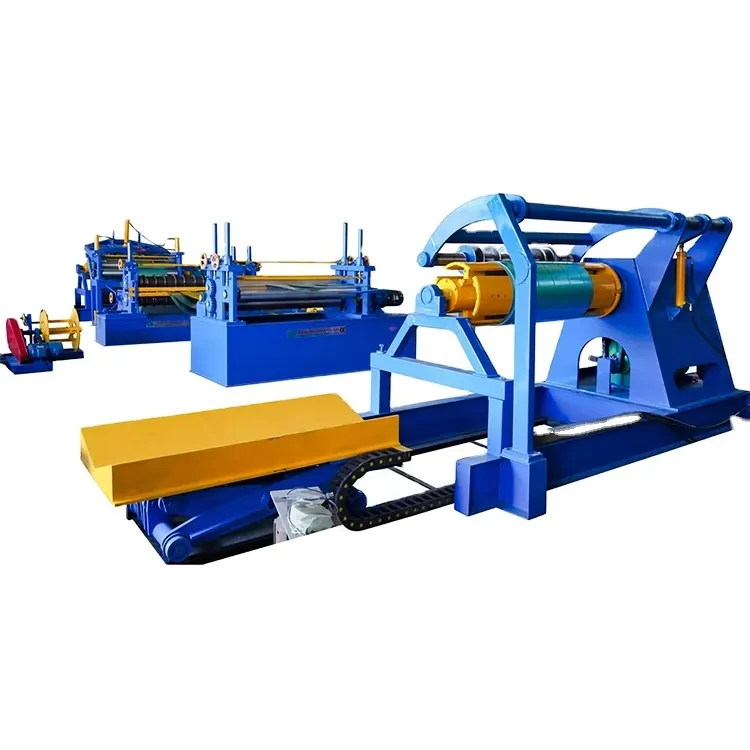
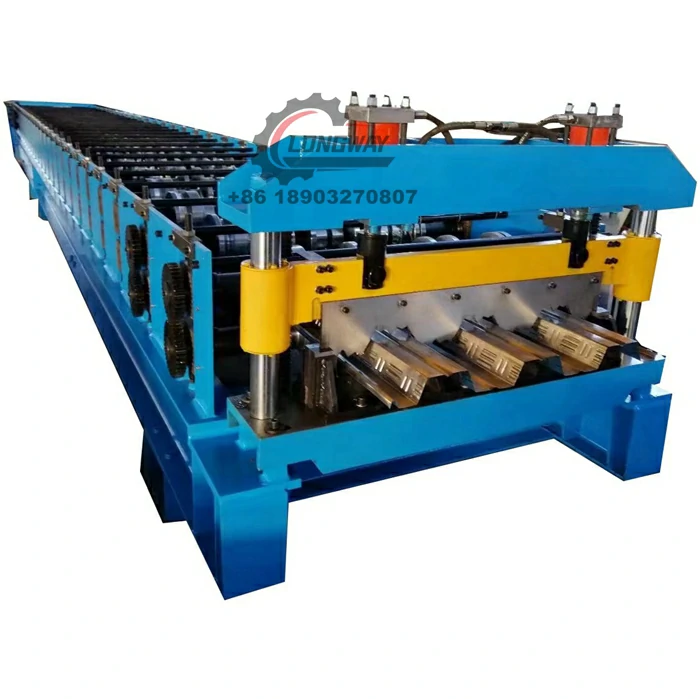
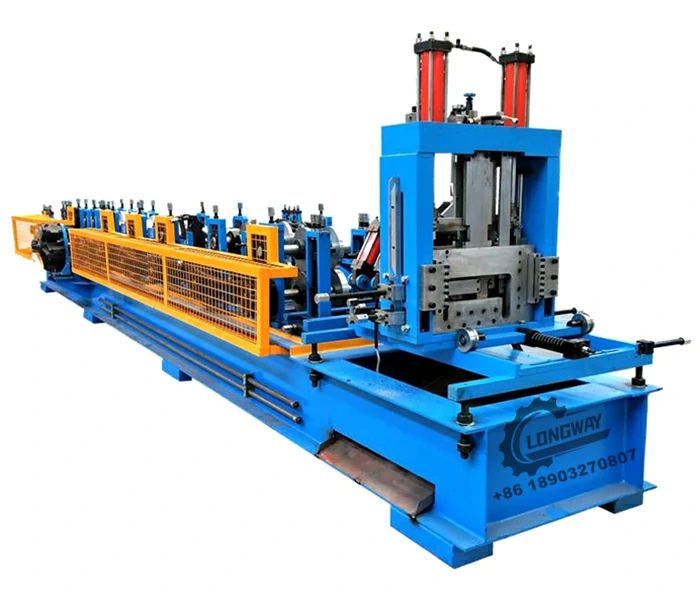
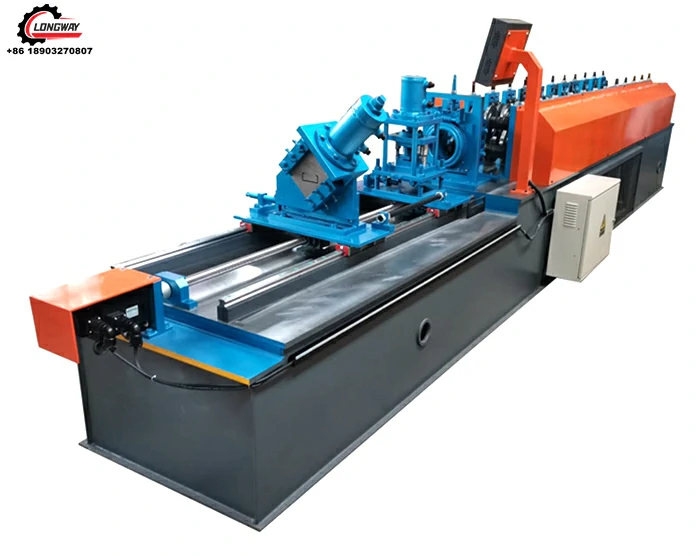
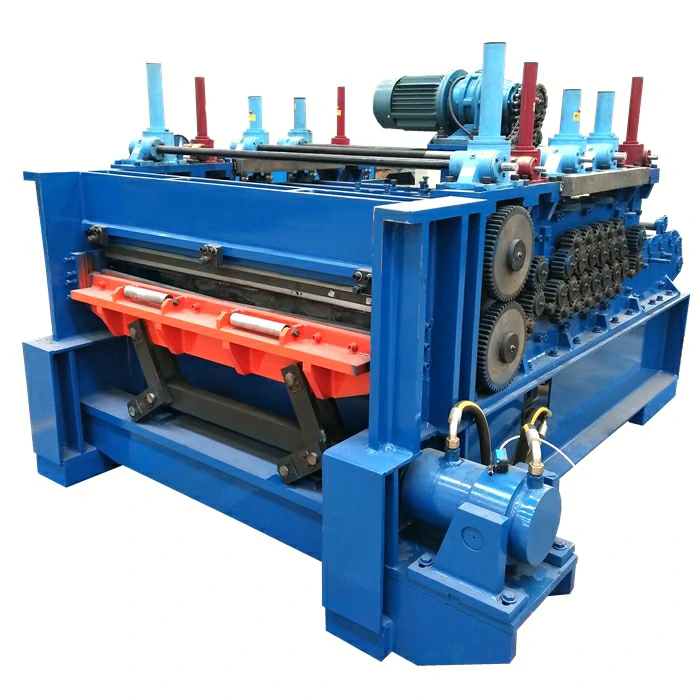
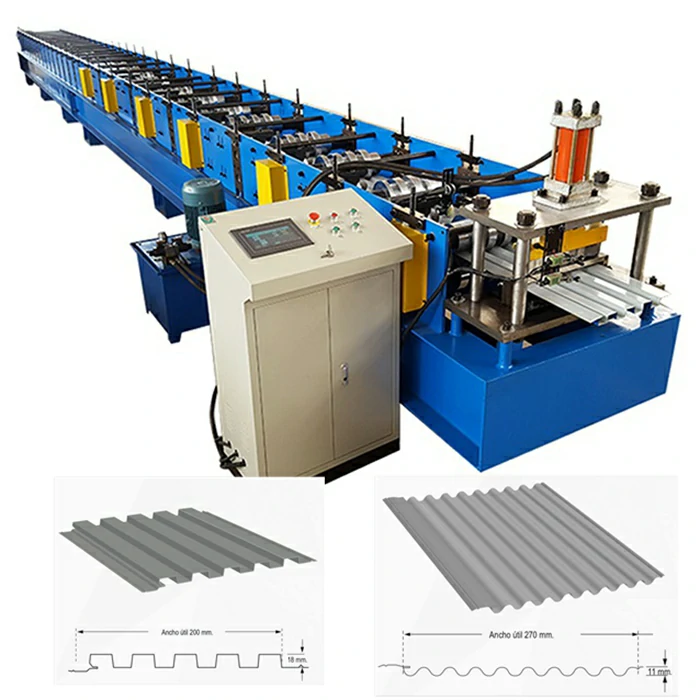
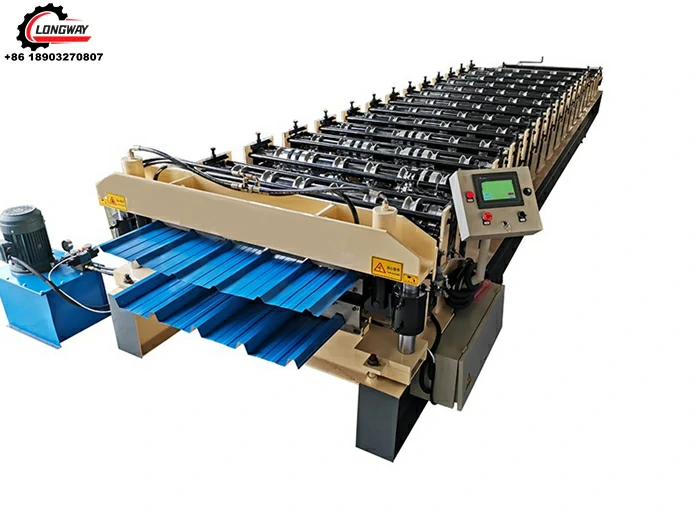
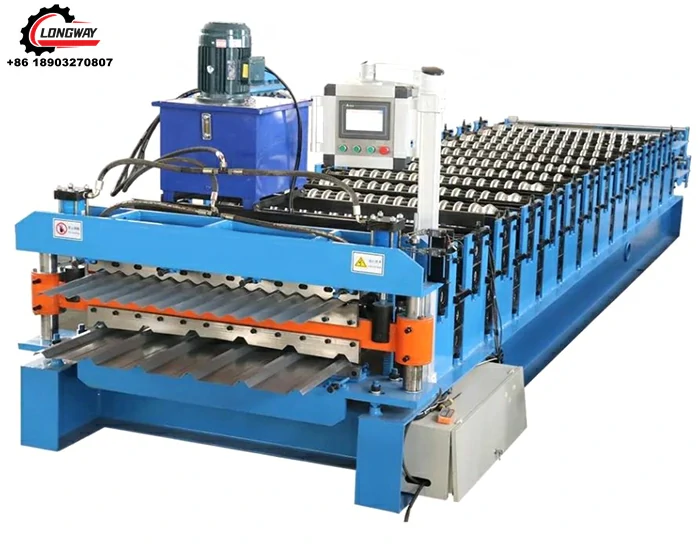
Having spent over a decade in the industrial equipment sector, I’d say there’s something oddly fascinating about China corrugated roof roll forming machine. It’s not just a piece of metal-bending equipment; it feels like the backbone of small to large roofing businesses, shaping raw steel coils into those reliable corrugated profiles you see on countless roofs around the world.
Now, you might wonder why so many people from industrial lines keep turning to Chinese manufacturers. Well, frankly, these machines have evolved quite a bit over the past few years. Back when I first encountered them, the focus was mostly on cost-effectiveness. Today, the craftsmanship, automation features, and flexibility make them very competitive. It’s almost like watching a machine transform from a rough but rugged tool to a smart, semi-automated factory assistant.
One thing I noticed is how these machines incorporate user-friendly PLC control systems, often using Siemens or Mitsubishi components. This means that even if you’re not a seasoned operator, you get a relatively straightforward interface, and troubleshooting becomes less of a headache. Plus, since corrugated roofing sheets are widely used in agricultural buildings, warehouses, and residential sheds, the demand for these roll forming lines never really dips.
Key Product Specifications
| Specification | Details |
|---|---|
| Material Thickness | 0.3 – 0.8 mm |
| Forming Stations | 16-22 |
| Maximum Forming Speed | 12-18 m/min |
| Power Supply | 380V, 50 Hz, 3 Phase |
| Cutting Method | Hydraulic Shear |
| Control System | PLC with Touchscreen HMI |
Speaking of design, these machines usually come with a modular build which makes customization fairly straightforward. Need a different corrugation profile or specific sheet length? It’s often achievable without drastic overhauls — just swapping rollers or adjusting settings. That’s a big plus in an industry where client specifications can change on a dime.
During a recent visit to a medium-sized plant in Eastern China, the shop floor was humming with these machines running continuously. One operator confided that the consistent sheet quality and minimal downtime were the key reasons they stuck with the Chinese brands instead of switching to Western or Japanese alternatives. It really struck me how in real terms, the balance between affordability and performance is well struck here — something not totally obvious until you see it up close.
Vendor Comparison: Chinese Corrugated Roof Roll Forming Machines
| Vendor | Price Range | Automation Level | Customization Options | After-sale Support |
|---|---|---|---|---|
| LW Roll Forming Machine | $18,000 – $35,000 | Semi-automated PLC control | Highly flexible | Global warranty & technical support |
| Qingdao Machinery Co. | $15,000 – $28,000 | Manual to semi-automatic | Moderate | Local service centers |
| Shanghai Steel Line | $20,000 – $40,000 | Fully automated available | Good | 24/7 phone support |
Of course, as with any industrial machinery, testing and quality control matter a lot. Many engineers say the consistency of the roll forming operation — ensuring every corrugation is uniform and within tight tolerance — is what separates the wheat from the chaff. That said, Chinese manufacturers generally meet these expectations well, sometimes going above by integrating auto thickness detection and feedback loops.
One casual anecdote I like sharing — at a job site in rural Australia, a small-scale roofing company installed sheets produced from a Chinese corrugated roof roll forming machine. The sheets outlasted many of their old suppliers’ products during harsh sun and wind storms, thanks mainly to precise forming and better galvanization processes at the mill. It’s these stories that underscore the real-world value of these machines beyond just specs on paper.
If you are on the fence about investing, my two cents: consider the machine not just as equipment, but as an enabler of your production capacity, quality control, and ultimately your client satisfaction. China corrugated roof roll forming machine options have matured enough to be reliable partners in daily industrial workflows.
In the end, it’s a bit like choosing a trusted workshop tool — functionality, durability, and ease of use all count, and that’s what you generally get from these machines.
References:
- Industry interviews and site visits, 2022–2023
- Manufacturer technical brochures from LW Roll Forming Machine, 2023
- Trade reports on roofing machinery trends, 2021
-
High Precision Customized Z Purlin Roll Forming Machine GuideNewsApr.16, 2026
-
High Precision customized steel structure floor deck roll forming machineNewsApr.09, 2026
-
Comprehensive Guide to Customized Roof Tile Roll Forming Machine SolutionsNewsApr.07, 2026
-
Optimizing Metal Fabrication with a Customized Roll Forming Machine SolutionNewsApr.04, 2026
-
Comprehensive Guide to Customized Profile Roll Forming Machine SolutionsNewsMar.31, 2026
-
Customized Light Steel Keel Roll Forming Machine Solutions and ApplicationsNewsMar.28, 2026
-
Optimized Production with a Customized Double Layer Roll Forming Machine SolutionNewsMar.26, 2026