Reliable Roller Formers for Industrial Fabrication | LW Rollforming
Why Roller Formers Remain Essential in Industrial Fabrication
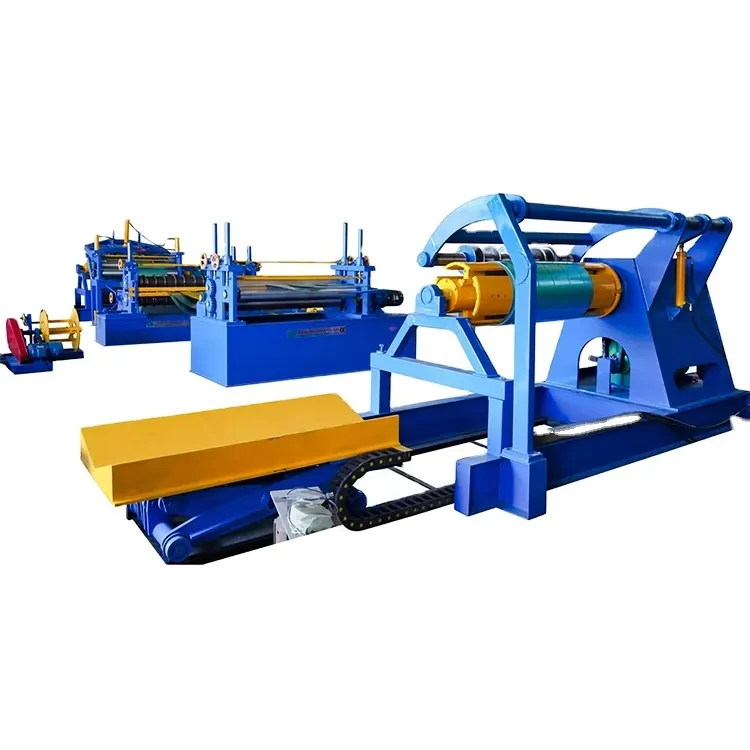
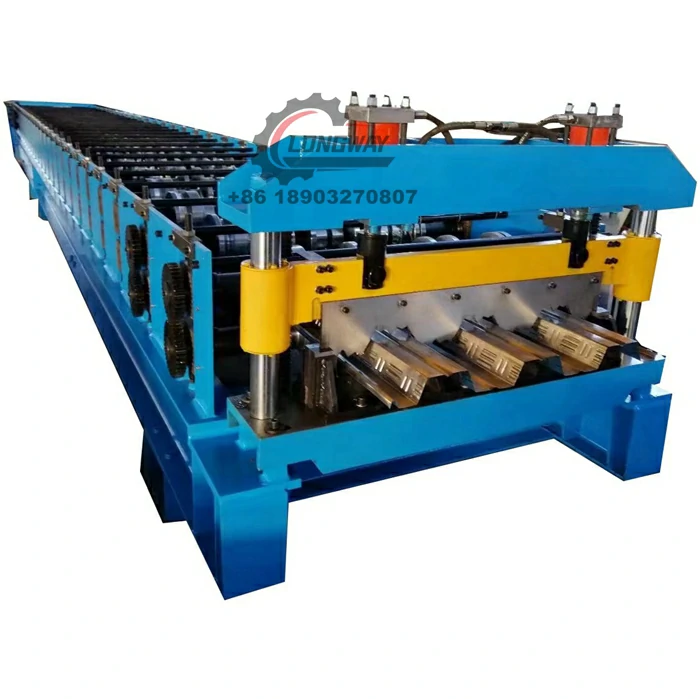
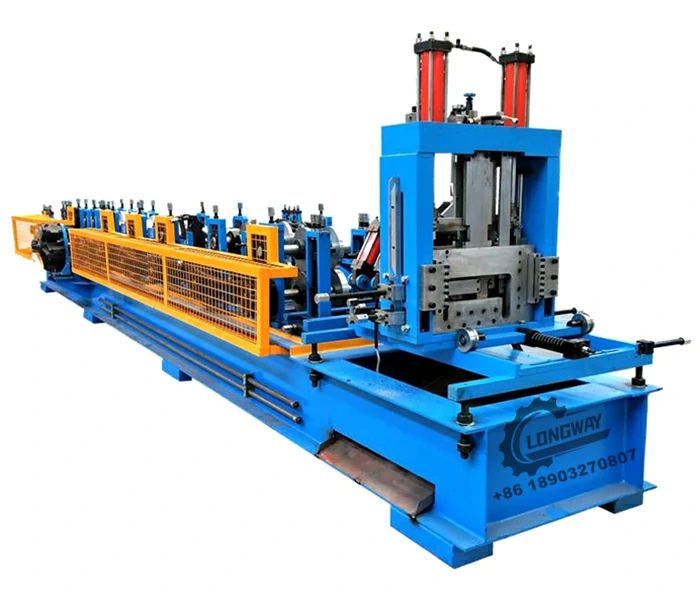
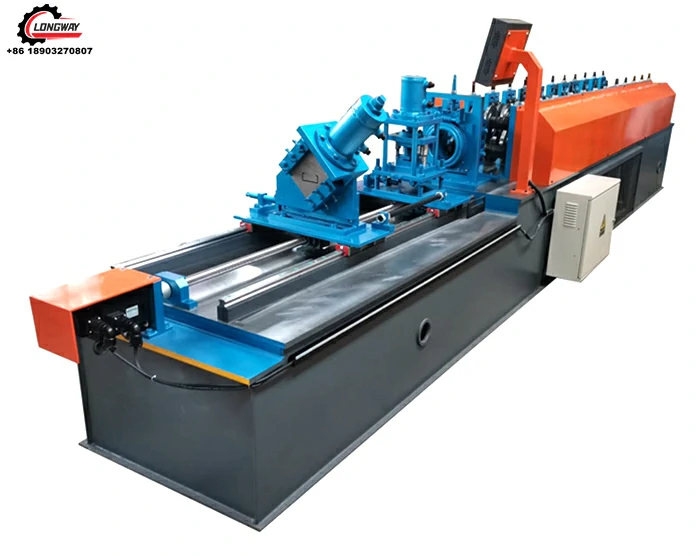
Having been knee-deep in the industrial equipment world for well over a decade, I can tell you roller formers aren’t just a fad. These workhorse machines quietly shape, bend, and roll metal sheets day in and day out, powering everything from roofing panels to conveyor belts. Honestly, their blend of ruggedness and finesse is something many engineers respect — and frankly, it feels like they’ve only gotten smarter with time.
The Role of a roller former in Modern Manufacturing
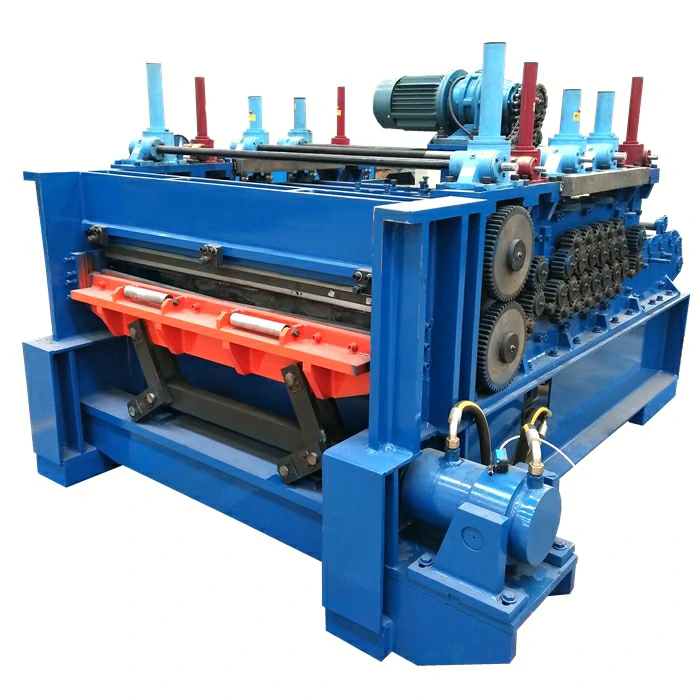
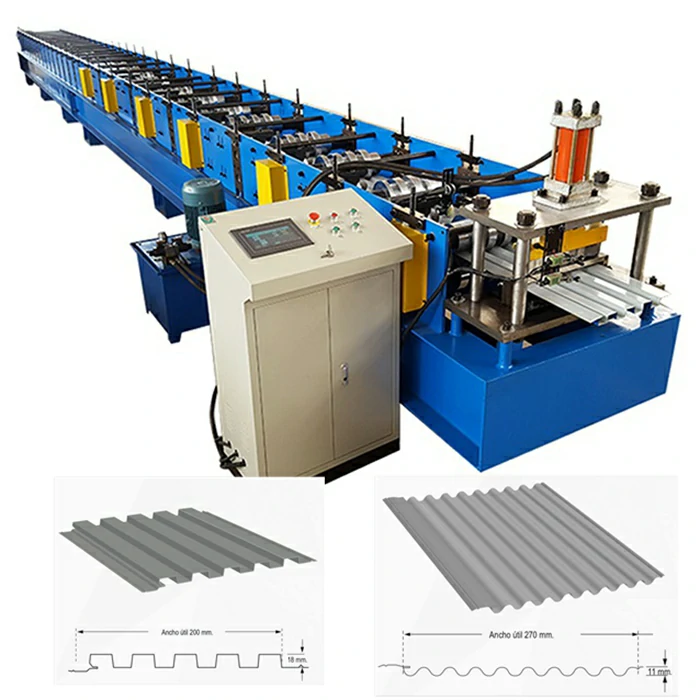
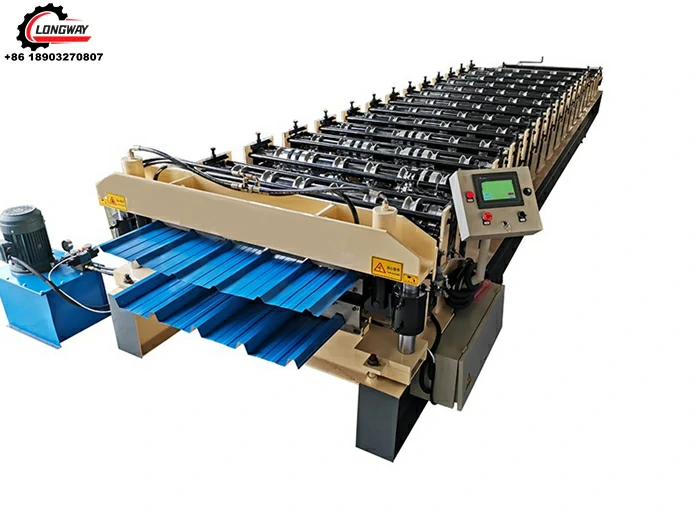
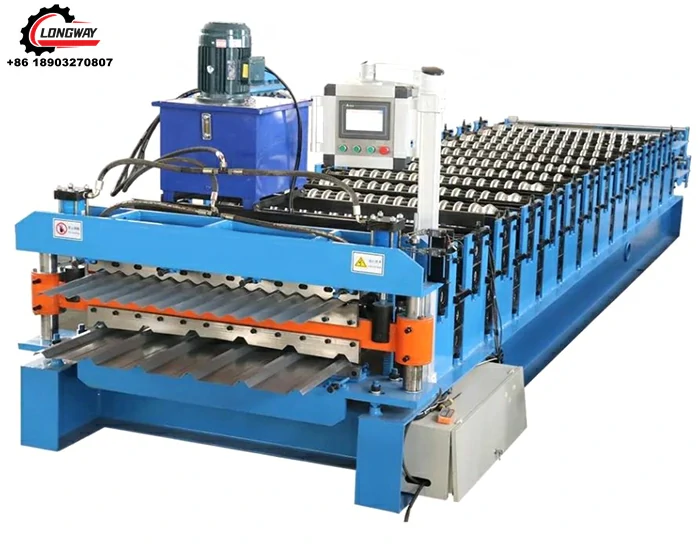
At its core, a roller former is all about continuous bending of metal by guiding it through a succession of rollers. These multipass setups conform the metal into complex profiles without cutting or welding, which keeps things fast, accurate, and cost-effective. If you ask me, this smooth flow is why production lines rely on them so heavily — a bit like a well-tuned engine. But what makes a roller former really stand out today is modularity. Manufacturers expect machines to adapt quickly, switching profiles or materials with minimal downtime.
Steel, aluminum, copper — each calls for different roller sets and punch styles. Matching these to your product specs isn’t trivial. That’s why customization options with precision CNC rollers have been a game-changer. It’s as if the machine learns the metal’s mood in real time.
Key Product Specifications at a Glance
| Specification | Details |
|---|---|
| Sheet Thickness Capability | 0.3 - 4.0 mm (steel & aluminum) |
| Max Forming Speed | 15 meters per minute (adjustable) |
| Roller Stations | 10 - 18 sets (modular) |
| Power Supply | 380V / 50Hz three-phase |
| Control System | PLC with touchscreen interface |
Choosing the Right Roller Former: A Vendor Comparison
Anyone in the business knows that picking the right roller former can be a bit like dating — looks and specs only tell so much. Service, support, and a manufacturer's willingness to innovate count heavily. To keep things simple, I rounded up a quick comparison of some well-known companies, where LW Rollforming shines, especially for those looking for precision and flexibility.
| Vendor | Customization | After-Sales Support | Price Range | Lead Time |
|---|---|---|---|---|
| LW Rollforming | High (CNC rollers, software) | Excellent (remote & onsite) | Mid to High | 4-8 weeks |
| Vendor B | Medium | Good | Mid | 8-12 weeks |
| Vendor C | Low | Limited | Low | 2-4 weeks |
Why Precision and Durability Matter So Much
In this field, I always say, “It's the small details that save you hours.” Metal profiles need to meet tight tolerances — anything off can throw off assembly or final product strength. Roller formers that offer precision adjustments, stable frame designs, and durable bearings tend to last longer and reduce downtime. One time, I worked with a client producing automotive components; after switching to a roller former with better rigidity and control, their scrap rate dropped by nearly 30%. That’s a real productivity win.
And testing? Yes, most manufacturers do extensive load and endurance assessments before signing off. Yet, in real terms, how the machine performs under your plant’s quirks—humidity, temperature, feeding speeds–is a different story. So a vendor with good after-sales and on-site training can be invaluable.
It’s not all about specs and numbers, though. There’s something fascinating about watching metal sheets snake through rollers, coming out shaped and ready like clockwork. It’s industrial art in motion, and who wouldn’t appreciate a machine that’s both brute strength and delicate touch?
So, if you’re exploring options, consider the whole package: machine flexibility, vendor support, and that little-known feature—ease of maintenance. Frankly, any shop floor veteran will tell you downtime is the enemy.
-
High Precision Customized Z Purlin Roll Forming Machine GuideNewsApr.16, 2026
-
High Precision customized steel structure floor deck roll forming machineNewsApr.09, 2026
-
Comprehensive Guide to Customized Roof Tile Roll Forming Machine SolutionsNewsApr.07, 2026
-
Optimizing Metal Fabrication with a Customized Roll Forming Machine SolutionNewsApr.04, 2026
-
Comprehensive Guide to Customized Profile Roll Forming Machine SolutionsNewsMar.31, 2026
-
Customized Light Steel Keel Roll Forming Machine Solutions and ApplicationsNewsMar.28, 2026
-
Optimized Production with a Customized Double Layer Roll Forming Machine SolutionNewsMar.26, 2026