Metal Roof Panel Machine for Sale – Reliable & Efficient Solutions
Why Investing in a Metal Roof Panel Machine Makes Sense Today
Having spent quite a few years in the industrial equipment sector, I can say the demand for efficient metal roof panel machines has seen a steady foothold, especially as folks chase durability—both commercially and residentially. The market isn’t just about cheaper options anymore; it's about adaptability, speed, and consistent quality.
From my experience, when a manufacturer or contractor turns to a metal roof panel machine for sale, they want something that’s not just functional, but also flexible enough to handle different profiles and gauges smoothly. I've noticed that engineers often emphasize the need for a machine that minimizes manual intervention but doesn't compromise on precision—a tricky balance.
Design & Construction: What Makes a Good Machine?
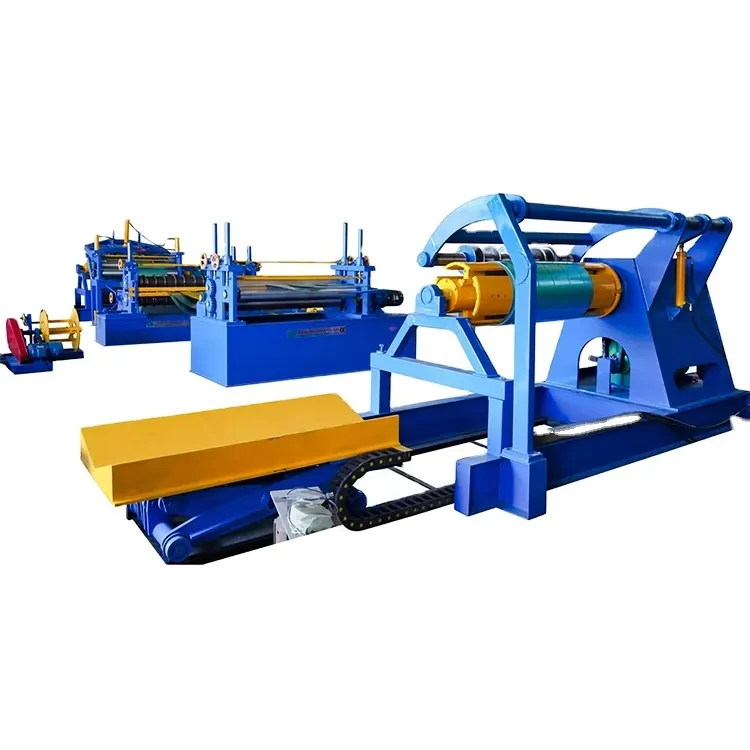
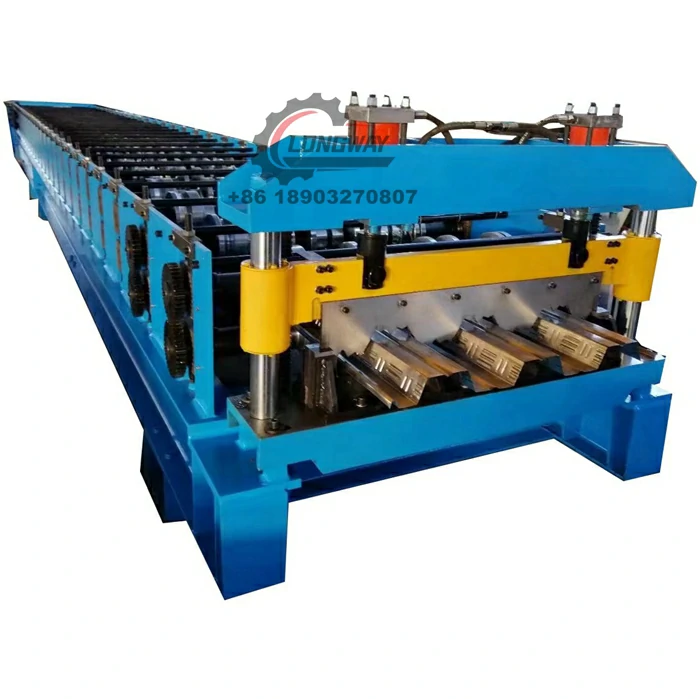
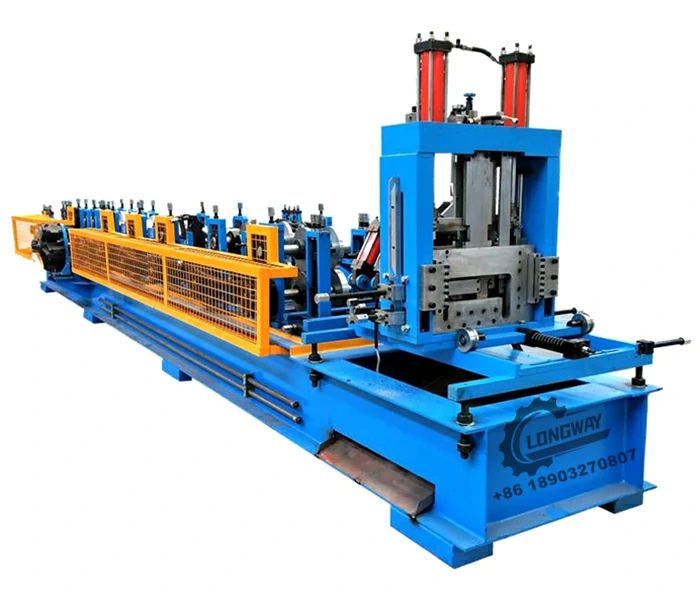
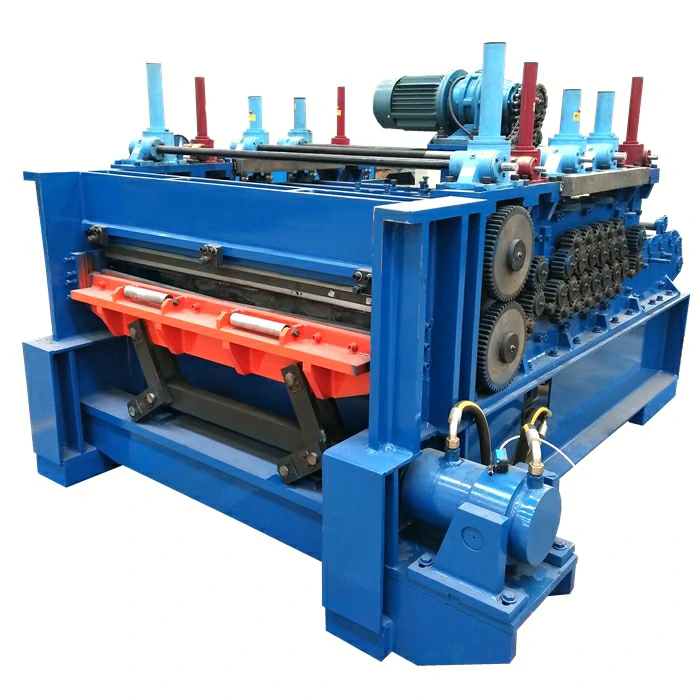
Most metal roof panel machines these days are built with robust steel frames, often with welded structures to eliminate unwanted vibrations during high-speed operation. That little detail can seriously affect panel quality in real terms. It’s something that new buyers might overlook but seasoned operators absolutely treasure.
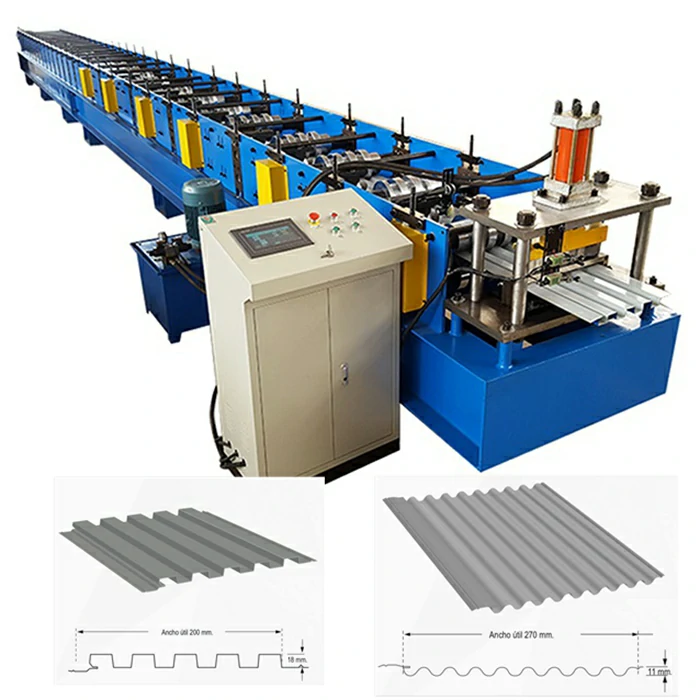
Speaking of design, the roll forming system is typically CNC controlled, allowing for remarkable accuracy—even when working with tough materials like galvanized steel or aluminum. The ability to switch profiles on the fly or adjust panel dimensions without much downtime is a feature that I’ve seen save companies thousands over yearly runs.
Product Specifications – What to Look For
| Specification | Typical Values |
|---|---|
| Material Thickness | 0.3 mm – 0.8 mm |
| Panel Width | 500 mm – 1000 mm |
| Forming Stations | 12–15 rollers |
| Cutting Method | Hydraulic shearing, automatic length control |
| Speed | 8–15 m/min (depending on profile) |
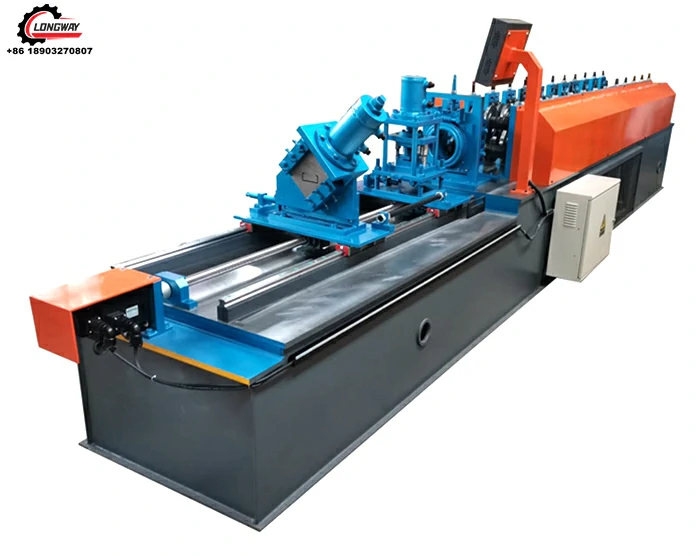
| Control System | PLC with touchscreen interface |
Vendor Comparison: Finding the Right Fit
Not all machines—and vendors—are created equal, in case you were wondering. There’s a huge difference between a company that just sells machines and one that actually supports you through installation, training, and maintenance. From what I’ve gathered and personally experienced, here’s a quick comparison of three common suppliers:
| Vendor | Customization Options | After-Sales Service | Average Lead Time | Price Range |
|---|---|---|---|---|
| LW Roll Forming | High – tailored systems & profiles | Comprehensive support & training | 4–6 weeks | $$$ (mid-range) |
| Generic Local Suppliers | Limited customization | Limited or none | 2–4 weeks | $ (budget) |
| Premium International Brands | Excellent, but expensive | Top-tier global support | 8–12 weeks | $$$$ (high-end) |
Real-World Benefits & A Quick Customer Note
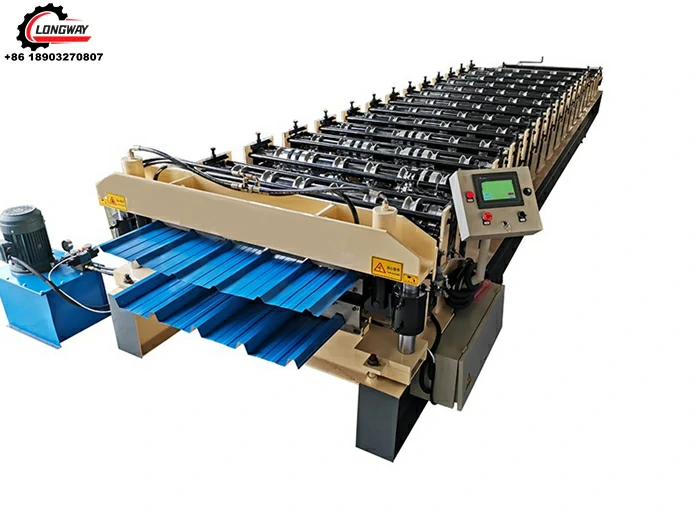
A few months ago, I had the chance to visit a roofing contractor who'd just upgraded their production line with a new metal roof panel machine for sale from LW Roll Forming. What struck me most was how seamlessly the machine integrated with their existing workflow.
They saw immediate improvements in panel thickness consistency and cutting precision, which cut down waste and rework. These savings might sound small in isolation but, built up over thousands of panels, they add real bucks back to the bottom line.
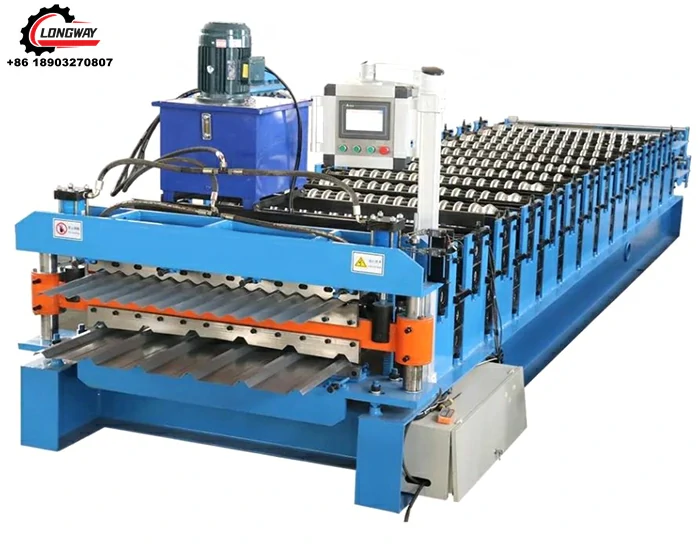
Plus, the team was genuinely impressed with the touchscreen control system—it meant less training time for new operators, and fewer mistakes overall. It’s funny how a little interface upgrade can make such a difference.
In the grand scheme, whether you’re a first-timer or upgrading, it feels like these machines have matured beyond just “making panels.” They’re, frankly, partners in production now.
Anyway, if you’re shopping, keep in mind: performance metrics matter, but after-sales support and ease of use can be just as important. And yes, price is always on the table, but sometimes the “cheapest” ends up costing more in headaches.
Closing Thoughts
So, metal roof panel machines are, simply put, a smart investment for anyone serious about roofing or cladding. The tech’s only getting better, and with vendors like metal roof panel machine for sale offerings, you’ve got options that fit every scale. Just remember—getting your machine is the start of a journey, and how you maintain it and work with your supplier will shape your success as much as specs.
Here’s to durable roofs and reliable machines.
References & musings:
- Insights gathered from industry visits and client feedback over the past 7 years.
- Technical specs references from various roll forming machine vendors and user manuals.
- Personal notes on operational challenges and improvements witnessed firsthand.
-
High Precision Customized Z Purlin Roll Forming Machine GuideNewsApr.16, 2026
-
High Precision customized steel structure floor deck roll forming machineNewsApr.09, 2026
-
Comprehensive Guide to Customized Roof Tile Roll Forming Machine SolutionsNewsApr.07, 2026
-
Optimizing Metal Fabrication with a Customized Roll Forming Machine SolutionNewsApr.04, 2026
-
Comprehensive Guide to Customized Profile Roll Forming Machine SolutionsNewsMar.31, 2026
-
Customized Light Steel Keel Roll Forming Machine Solutions and ApplicationsNewsMar.28, 2026
-
Optimized Production with a Customized Double Layer Roll Forming Machine SolutionNewsMar.26, 2026