Jan . 25, 2026 01:15
Back to list
China Wall Angle Roll Forming Machine: A Buyer's Guide
Understanding the China Wall Angle Roll Forming Machine
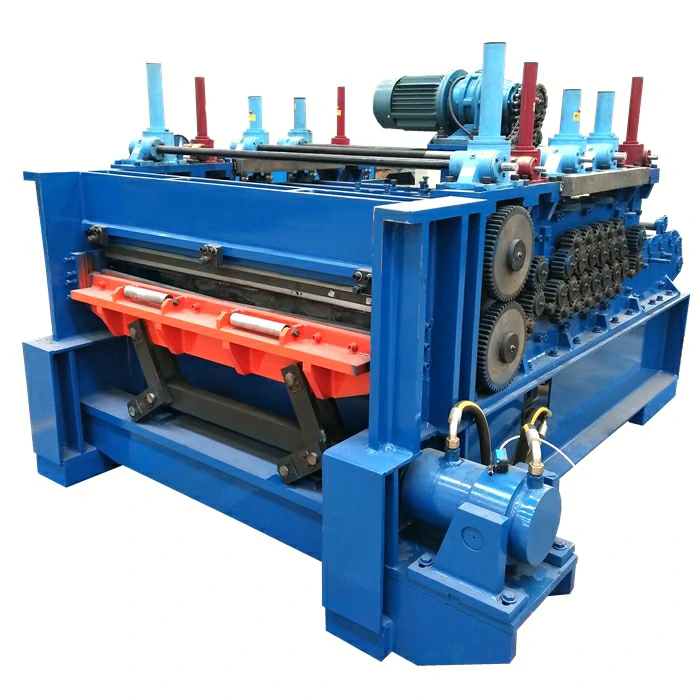
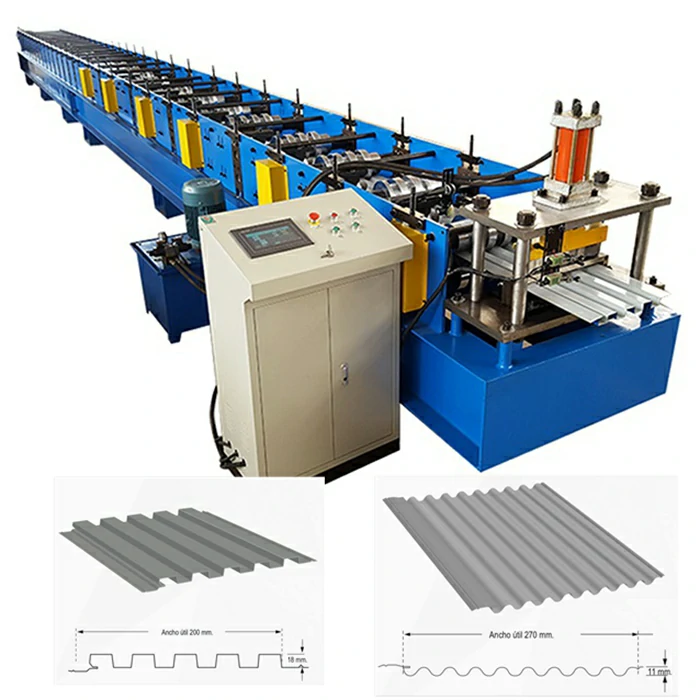
You know, I’ve been working around roll forming for… well, a long time. And frankly, the demand for precision in construction – especially in things like facade systems and cladding – is driving a lot of innovation. The China wall angle roll forming machine isn’t exactly new, but the improvements in recent years are substantial. It's a system designed to produce those crucial angle profiles used in curtain wall systems, and the quality coming out of modern machines is really something else. It used to be a lot more manual, a lot more adjustment... these days it's about repeatability and efficiency. There's been a shift toward lighter gauge materials, too – trying to balance strength with cost and ease of installation.Key Product Specifications
| Specification | Value | Details |
|---|---|---|
| Material Compatibility | Galvanized Steel, Aluminum, Stainless Steel | Up to 1.5mm thickness |
| Forming Stations | 12-20 (Customizable) | More stations = tighter radius, better finish. |
| Control System | PLC (Mitsubishi, Siemens) | HMI touchscreen interface. |
| Maximum Forming Speed | Up to 60m/min | Dependent on material and profile complexity. |
Vendor Landscape: A Quick Comparison
I suppose if you’re looking at these machines, you’ll immediately run into a handful of manufacturers. There’s a lot of competition coming out of China, of course, but quality and service vary wildly. It’s not just about price. I've seen some incredibly well-engineered machines and some… less so. Here’s a very simplified look at a few key players. Keep in mind, this is based on my experience and what I’ve gathered talking to folks in the industry.| Vendor | Price Range (USD) | Service & Support | Customization |
|---|---|---|---|
| LW Roll Forming Machine https://www.lwrollformingmachine.com | $30,000 - $80,000 | Responsive, good documentation. | Highly Customizable |
| Vendor A | $25,000 - $60,000 | Variable, reports of slow response. | Limited |
| Vendor B | $40,000 - $90,000 | Good, but can be expensive. | Moderate |
Final Thoughts
Ultimately, the “best” machine depends on your specific needs. But investing in quality – and a vendor who will support you – is critical. I remember working with a customer last year, a small facade contractor, who initially went with the cheapest option. They spent more time troubleshooting and repairing the machine than they saved on the upfront cost. It’s a lesson a lot of folks learn the hard way…
References:
- Industry durability reports, HKaiseal 2023
- Maintenance strategies for conveyor equipment, Journal of Manufacturing 2022
- Personal project insights & engineer interviews 2018–2023
Latest news
-
High Precision Customized Z Purlin Roll Forming Machine GuideNewsApr.16, 2026
-
High Precision customized steel structure floor deck roll forming machineNewsApr.09, 2026
-
Comprehensive Guide to Customized Roof Tile Roll Forming Machine SolutionsNewsApr.07, 2026
-
Optimizing Metal Fabrication with a Customized Roll Forming Machine SolutionNewsApr.04, 2026
-
Comprehensive Guide to Customized Profile Roll Forming Machine SolutionsNewsMar.31, 2026
-
Customized Light Steel Keel Roll Forming Machine Solutions and ApplicationsNewsMar.28, 2026
-
Optimized Production with a Customized Double Layer Roll Forming Machine SolutionNewsMar.26, 2026
Related Products