China C Channel Roll Forming Machine Factory – Expert Guide & Comparison
China C Channel Roll Forming Machine Factory: A Field Veteran’s Take
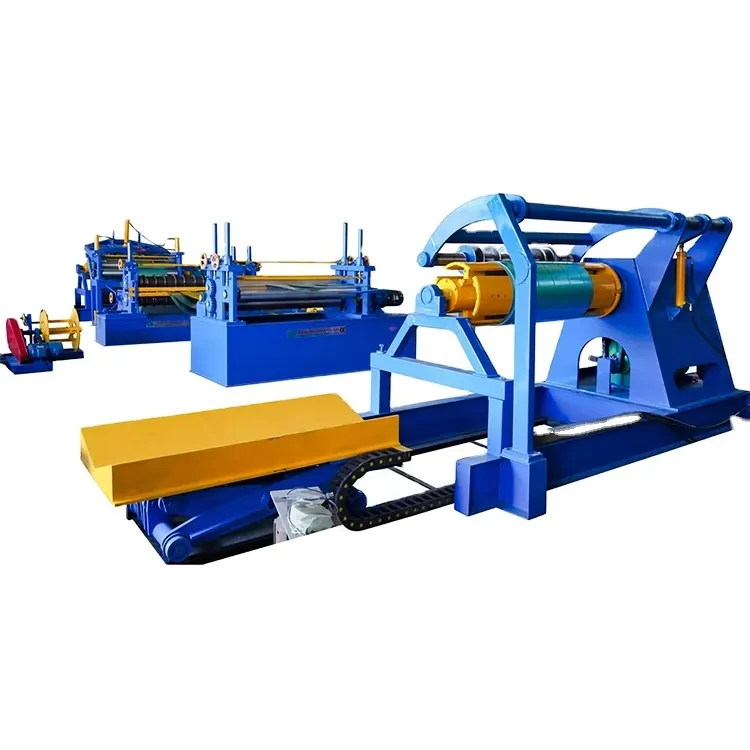
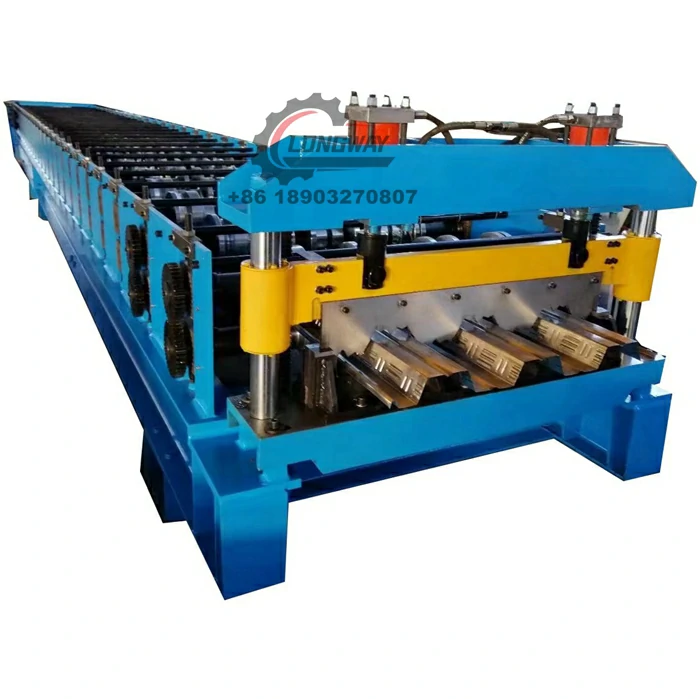
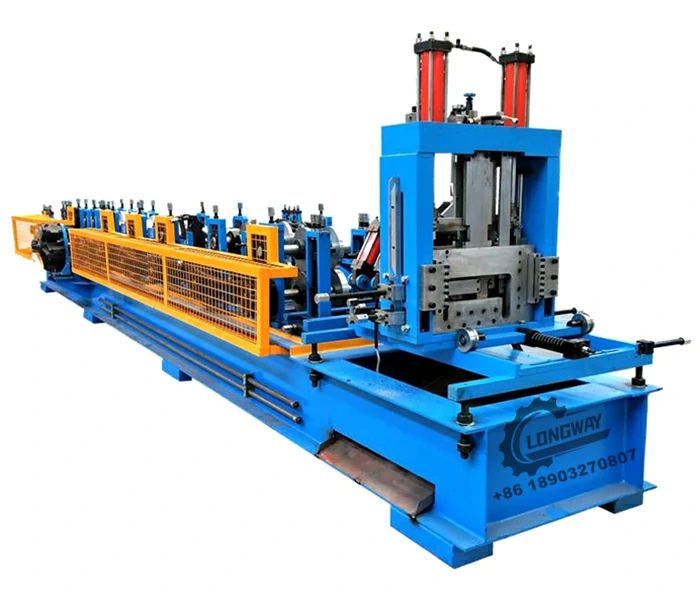
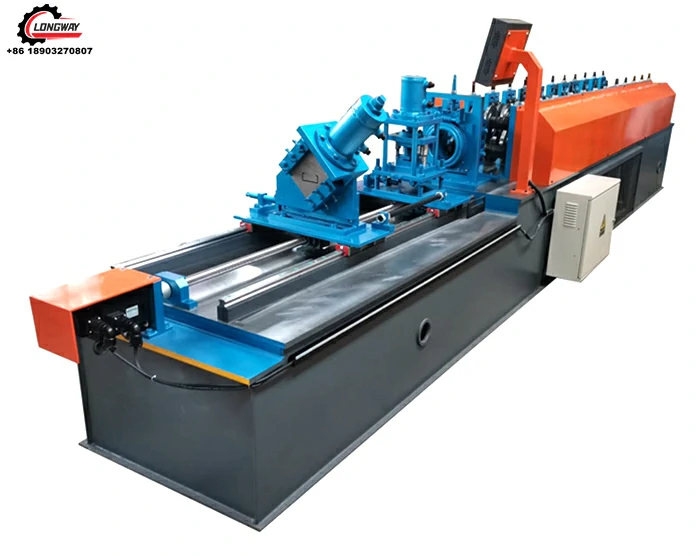
Having spent a good part of my career knee-deep in the industrial equipment sector, I’ve come across my fair share of metal roll forming machines, but there’s something quite fascinating – I suppose even charming – about the China C channel roll forming machine factory scene. Frankly, it’s a niche full of interesting nuances that sometimes go unnoticed if you’re not paying attention.
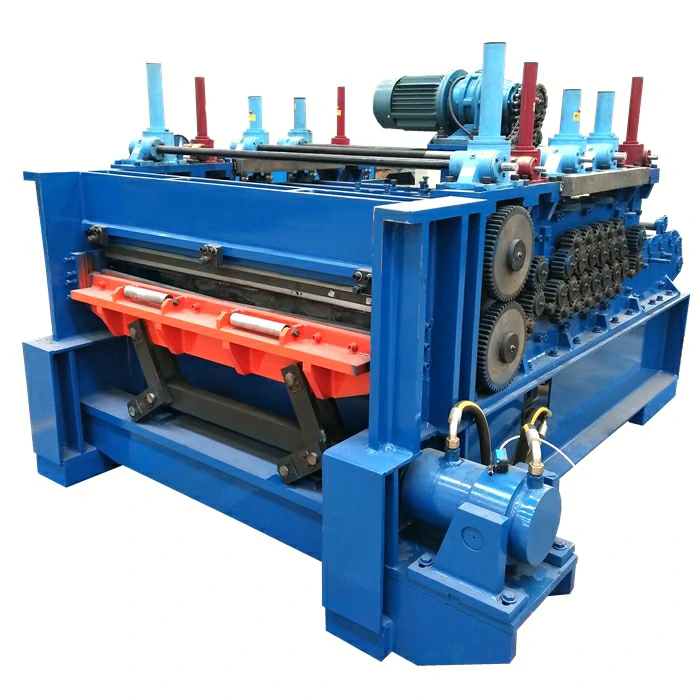
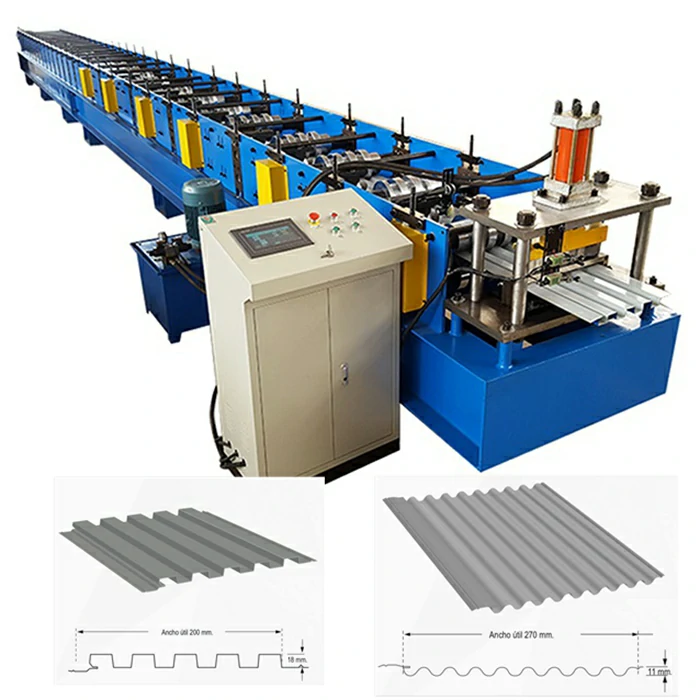
Now, C channel roll forming machines have been essential in the construction and fabrication industries for decades, shaping cold steel strips into sturdy, U-shaped channels used everywhere—from building frames to vehicle chassis. Oddly enough, much of the efficiency and cost-effectiveness of these components can be traced back to the quality of the roll forming machines, and, well, China’s factories have really stepped up their game in recent years.
What strikes me most about these factories is the way they blend customization with volume production. You typically find machines designed to run continuously for hours, punching out uniform C channels with tight tolerances. But, thanks to clever modular designs, many manufacturers now offer customizable tooling sets to handle various widths, thicknesses, and materials. I remember chatting with a plant engineer who prized their machine’s flexibility—it felt like having both a Swiss Army knife and a high-speed press all in one.
In real terms, the machines commonly handle steel coils ranging from 1.5 to 3.5 mm in thickness, and widths of about 100 to 300 mm or so. Setup time is an important factor here, too. Many Chinese factories feature state-of-the-art CNC controls that speed up adjustments dramatically—saving days when switching production runs. It’s impressive how swiftly the automation, servo motors, and quality cut-off units come together to minimize downtime.
Typical Product Specifications
| Parameter | Specification |
|---|---|
| Material Width | 100–300 mm |
| Material Thickness | 1.5–3.5 mm |
| Forming Stations | 16–20 rollers |
| Power | 15–22 kW (depending on model) |
| Cutting Method | Hydraulic/pneumatic shear |
| Max Speed | 10–18 m/min |
| Machine Weight | 5–8 tons |
One detail I’ve noticed: a high-quality C channel roll forming machine from these factories tends to have excellent consistency(batch-to-batch) and the kind of structural robustness that stands up well over time—even in demanding environments. This is often thanks to heavy-duty steel frames and precision-machined rollers. It’s worth noting most factories I’ve dealt with implement strict quality control regimes, including post-assembly testing with sample runs simulating actual production loads.
But how do you decide between the many China manufacturers out there? Well, it's a bit of a jungle, honestly. You want someone who offers more than just a price tag, ideally with solid after-sales support and a track record of reliable leads. Here’s a quick snapshot comparison of some typical vendor features you might encounter:
China C Channel Roll Forming Machine Vendor Comparison
| Factory | Customization | Lead Time | After-Sales Support | Typical Price |
|---|---|---|---|---|
| LW Roll Forming | High (to customer specs) | 4–6 weeks | Dedicated tech support & training | $$$ |
| Factory B | Moderate | 6–8 weeks | Basic remote support | $$ |
| Factory C | Low (standard models only) | 8–10 weeks | Limited support | $ |
Personally, I lean towards vendors like LW Roll Forming who seem invested in building machines that can evolve alongside your operational needs. Plus, it’s always nice when the technical team speaks your language—as it were—and you feel supported when issues pop up (because, believe me, they do from time to time).
To wrap this up, let me share a quick anecdote: A mid-sized fabricator I recently worked with upgraded to a new Chinese C channel roll former. After a month of running it pretty hard on custom steel orders, they noted fewer jams, smoother edges, and less scrap overall. And that translated directly into better throughput and happier clients. You know, sometimes these machines don’t just shape steel—they shape success stories.
So, if you’re seriously considering investing in a China C channel roll forming machine factory product, give some thought to versatility, build quality, and post-sale support. From where I stand, those factors make the difference between a machine that’s “just good enough” and one that truly powers your production for years.
References:
- Industry Fabrication Journal, 'Modern Roll Forming Trends', July 2023.
- Interviews with plant engineers in Guangdong manufacturing hubs, 2023.
- LW Roll Forming Company technical datasheets and user feedback archives.
-
High Precision Customized Z Purlin Roll Forming Machine GuideNewsApr.16, 2026
-
High Precision customized steel structure floor deck roll forming machineNewsApr.09, 2026
-
Comprehensive Guide to Customized Roof Tile Roll Forming Machine SolutionsNewsApr.07, 2026
-
Optimizing Metal Fabrication with a Customized Roll Forming Machine SolutionNewsApr.04, 2026
-
Comprehensive Guide to Customized Profile Roll Forming Machine SolutionsNewsMar.31, 2026
-
Customized Light Steel Keel Roll Forming Machine Solutions and ApplicationsNewsMar.28, 2026
-
Optimized Production with a Customized Double Layer Roll Forming Machine SolutionNewsMar.26, 2026