China Keel Channel Roll Forming Machine – Durable and Efficient Solutions by LW Roll Forming Machine
China Keel Channel Roll Forming Machine is a key solution in the industry, specifically within construction and manufacturing sectors. This article explores how https://www.lwrollformingmachine.com supports professionals with durable, high-performance products, and explains why this product is an ideal choice for businesses in these sectors.
Table of Contents
- China Keel Channel Roll Forming Machine Overview
- Benefits & Use Cases of China Keel Channel Roll Forming Machine
- Cost, Maintenance & User Experience
- Sustainability & Market Trends
China Keel Channel Roll Forming Machine Overview
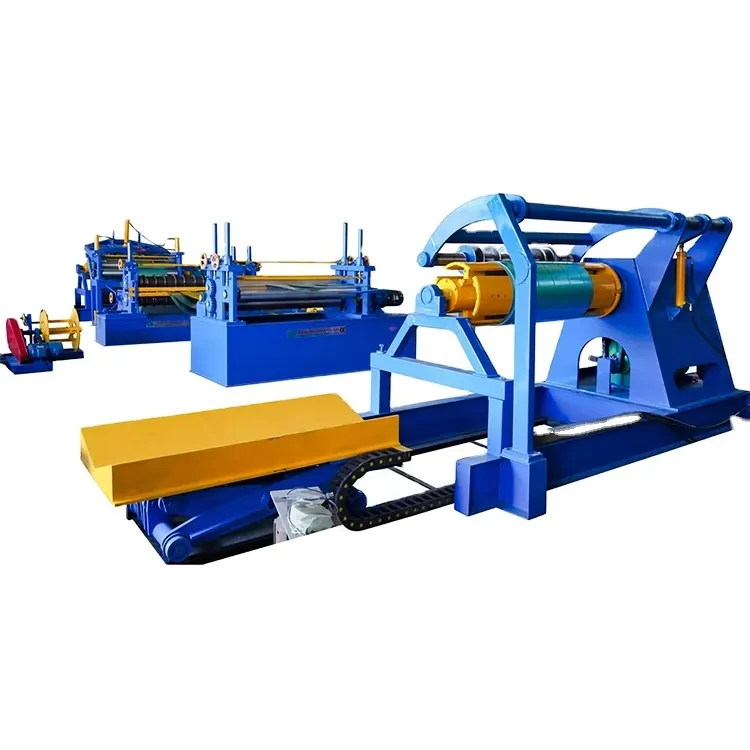
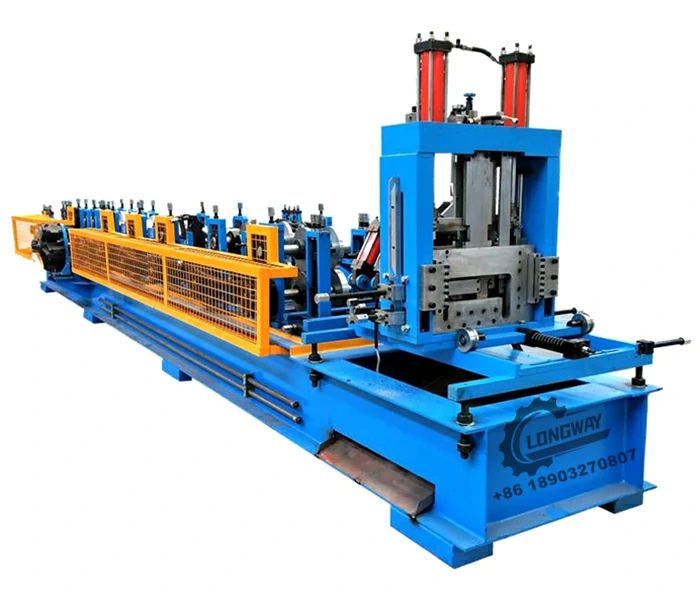
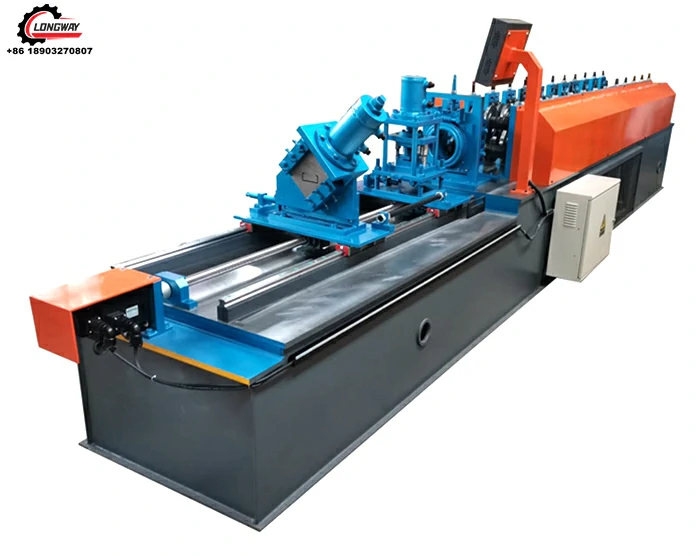
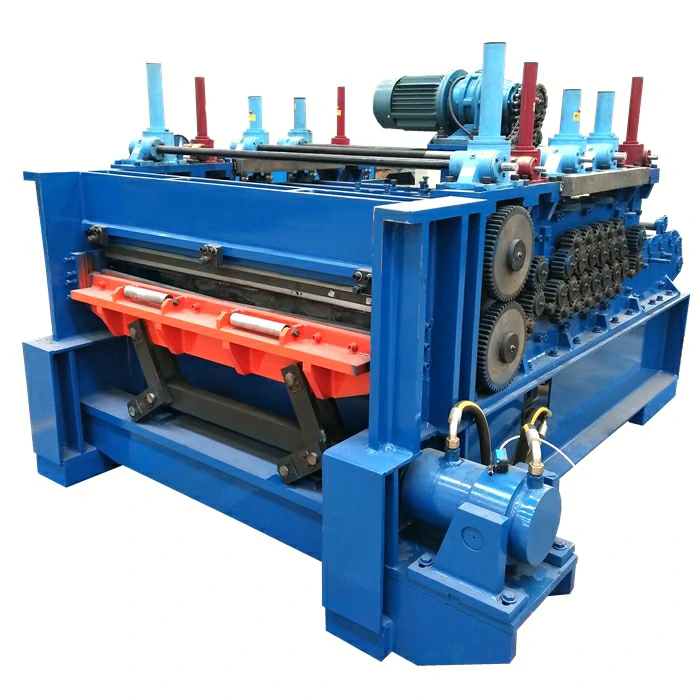
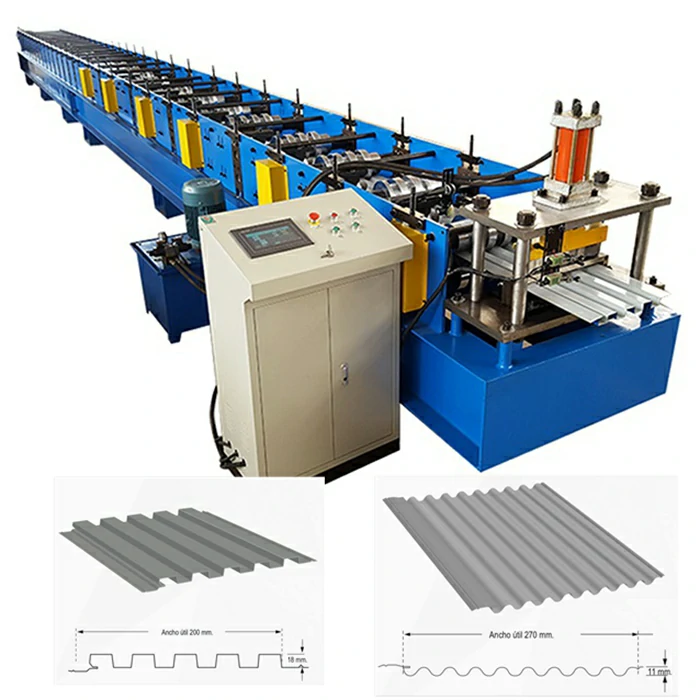
At its core, the China Keel Channel Roll Forming Machine is a highly specialized industrial machine designed to shape cold-rolled steel strips into keel channels—structural profiles widely used throughout construction projects, particularly in drywall partitions and ceiling systems. Frankly, it’s sort of the backbone of lightweight steel framing.
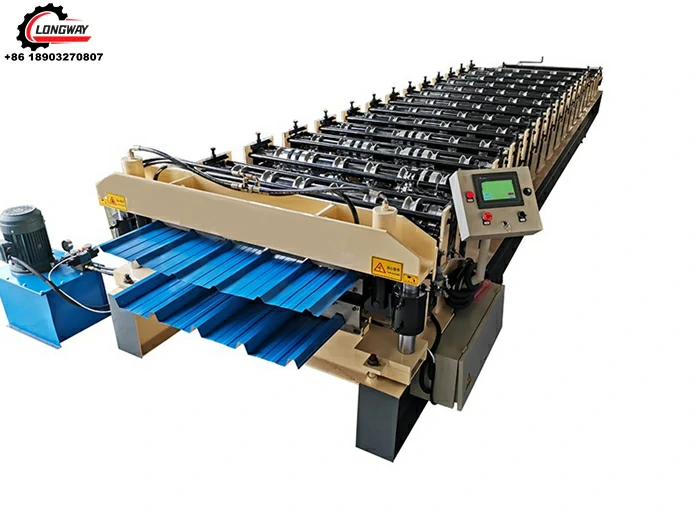
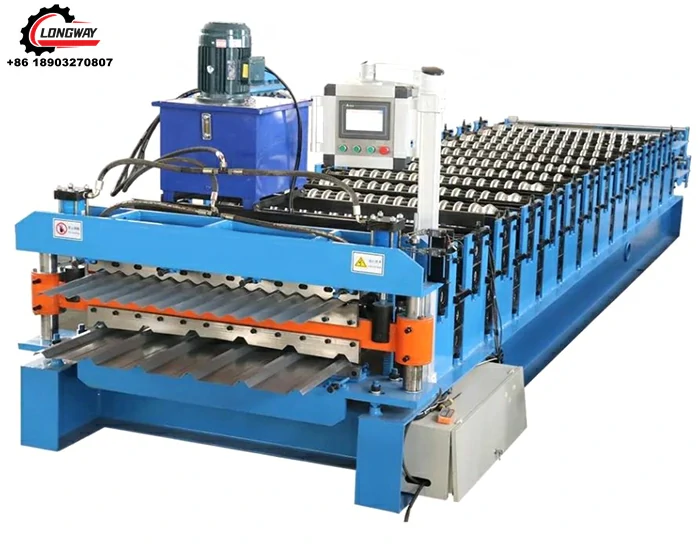
Technically speaking, the machine employs a continuous roll forming process, where the steel strip passes through a series of precisely engineered rollers that gradually bend and shape the material. This ensures excellent dimensional accuracy and consistency at high throughput speeds — often reaching dozens of meters per minute. For example, LW Roll Forming Machine’s models can handle steel thicknesses from 0.3mm up to 1.2mm, with typical production speeds of about 15–25m/min, depending on customization.
| Specification | Details |
|---|---|
| Material Compatibility | Cold-Rolled Steel (0.3-1.2mm thickness) |
| Production Speed | Up to 25 m/min (depending on model) |
| Power Supply | 380V / 50Hz / 3-Phase (customizable) |
| Roll Stations | 12–15 stages (varies by machine model) |
| Machine Length | Approximately 7–9 meters |
Benefits & Use Cases of China Keel Channel Roll Forming Machine
The application of the China Keel Channel Roll Forming Machine is fairly broad within the construction industry. The machine specializes in creating metal keels essential for lightweight drywall, ceiling grids, and partition frameworks. These are foundational to modern commercial buildings, and oddly enough, affordable homes too.
One of the key advantages people often highlight is the machine’s ability to maintain tight dimensional tolerances while maintaining rapid production cycles. This means fewer mistakes, less material waste, and a faster turnaround for builders. Additionally, many engineers note the easy customization options LW Roll Forming offers — from profile sizes to punch patterns for electrical conduits and other installations.
Plus, because roll forming is a cold-process, it avoids thermal distortions common in alternative forming methods. The steel maintains its mechanical properties, which is critical when these keels must withstand stress loads over time.
Cost, Maintenance & User Experience
Let’s talk cost. The upfront investment in a China Keel Channel Roll Forming Machine might feel significant, but the total cost of ownership is pretty reasonable. You’re looking at a machine built to last—with quality steel construction and motor systems designed for continuous operation. Some customers report minimal downtime even after years of use, provided they stick to recommended maintenance schedules.
Maintenance itself tends to be straightforward — lubricating rollers, checking alignment, and routine electrical inspections. Surprisingly, the availability of parts from Chinese suppliers makes servicing easier than with some European or American brands. That accessibility often leads to less waiting time and faster machine turnarounds.
From the user perspective, operators praise the semi-automated controls and quick tooling changeovers, which together boost production flexibility. One medium-sized manufacturer I spoke with saw their ROI in under 18 months thanks to both increased throughput and energy savings.
| Vendor | Price Range | Lead Time | Customization | After-sales Service |
|---|---|---|---|---|
| LW Roll Forming Machine | $20,000 - $45,000 | 4-6 weeks | High (profiles & tooling) | Excellent (local reps, remote support) |
| Vendor B (China) | $18,000 - $35,000 | 6-8 weeks | Medium | Fair (limited in-person support) |
| Vendor C (Europe) | $40,000 - $70,000 | 8-12 weeks | High | Very good (on-site service) |
Sustainability & Market Trends
Sustainability is becoming impossible to ignore in manufacturing — and oddly enough, roll forming fits nicely into this trend. The process itself produces minimal scrap compared to stamping or casting, and the steel products can be almost entirely recycled at end-of-life. Regulations worldwide are pushing greener materials and more efficient resource use, which makes investing in efficient roll forming machines a smart move in real terms.
Market trends also suggest growing demand for lightweight steel framing, especially as urbanization and speedy construction methods become more prevalent. Innovations such as electrically driven servo motors and IoT-enabled diagnostics are creeping into new models, offering predictive maintenance capabilities that further boost sustainability by reducing downtime and waste.
Frequently Asked Questions about China Keel Channel Roll Forming Machine
- What is China Keel Channel Roll Forming Machine and how does it work?
- It’s a machine that takes flat, cold-rolled steel strips and gradually bends them through a sequence of rollers into the “keel channel” shape used in construction. The process is continuous and highly automated, ensuring speed and precision.
- What are the main benefits of using China Keel Channel Roll Forming Machine in industrial applications?
- Key benefits include high production speeds with consistent quality, reduced waste compared to traditional methods, customizable profiles, and an overall lower cost of ownership thanks to durable components and easy maintenance.
- How does China Keel Channel Roll Forming Machine compare to traditional alternatives?
- Compared to stamping or press brake forming, roll forming is much faster and produces more uniform profiles. It also generally results in less heat-related deformation, preserving material strength and requiring less finishing work.
- What industries can benefit most from China Keel Channel Roll Forming Machine implementation?
- The obvious one is construction – especially drywall and ceiling framing. But also prefabricated building manufacturers, steel furniture producers, and even sectors like automotive where specialized rolled channels are needed.
Conclusion on China Keel Channel Roll Forming Machine from china
To sum it up, the China Keel Channel Roll Forming Machine offers an efficient, reliable, and cost-effective way to produce essential metal profiles for a variety of industries. Its adaptability and steady performance make it a solid machine for any business looking to innovate or scale operations in steel channel production.
- Recap the value of China Keel Channel Roll Forming Machine.
- - Visit our website: https://www.lwrollformingmachine.com
Reflecting on this, it really strikes me how roll forming continues to be an unsung hero in modern manufacturing — quietly powering much of our built environment with efficiency and precision. For those making practical, forward-thinking choices in this space, machines like these are worth a close look.
-
High Precision Customized Z Purlin Roll Forming Machine GuideNewsApr.16, 2026
-
High Precision customized steel structure floor deck roll forming machineNewsApr.09, 2026
-
Comprehensive Guide to Customized Roof Tile Roll Forming Machine SolutionsNewsApr.07, 2026
-
Optimizing Metal Fabrication with a Customized Roll Forming Machine SolutionNewsApr.04, 2026
-
Comprehensive Guide to Customized Profile Roll Forming Machine SolutionsNewsMar.31, 2026
-
Customized Light Steel Keel Roll Forming Machine Solutions and ApplicationsNewsMar.28, 2026
-
Optimized Production with a Customized Double Layer Roll Forming Machine SolutionNewsMar.26, 2026