Reliable China C Channel Roll Forming Machine for Efficient Fabrication
China C Channel Roll Forming Machine: Insights from the Field
Having spent over a decade involved in industrial equipment—mostly dealing with metal fabrication lines—I often get asked about the China C Channel Roll Forming Machine. Frankly, it’s one of those workhorses that’s quietly powering countless projects around the world, yet it doesn’t always get the spotlight it deserves.
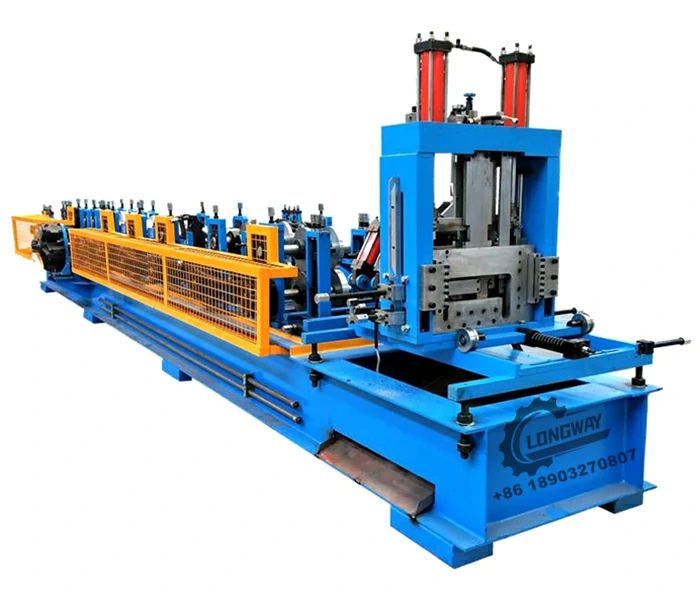
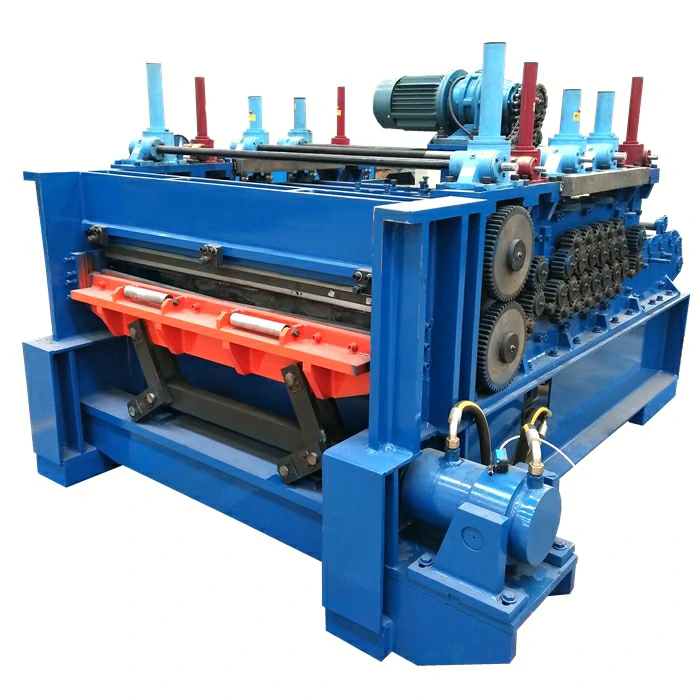
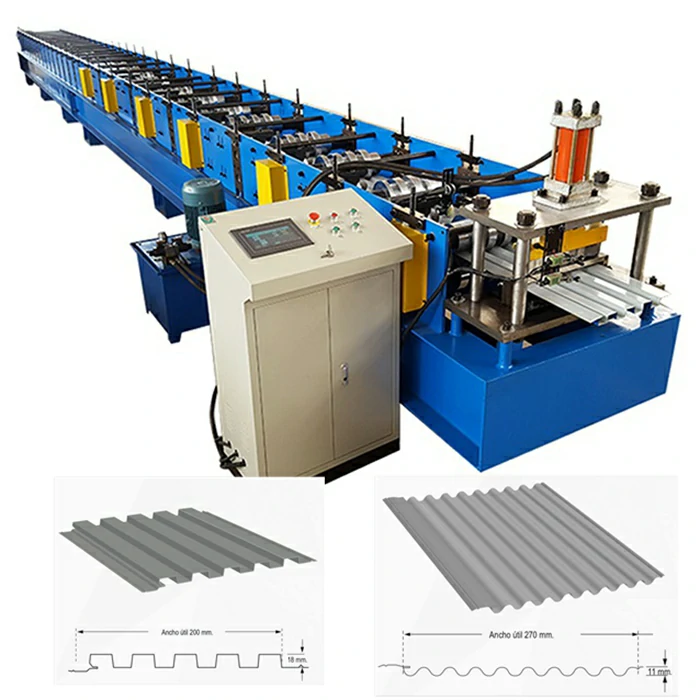
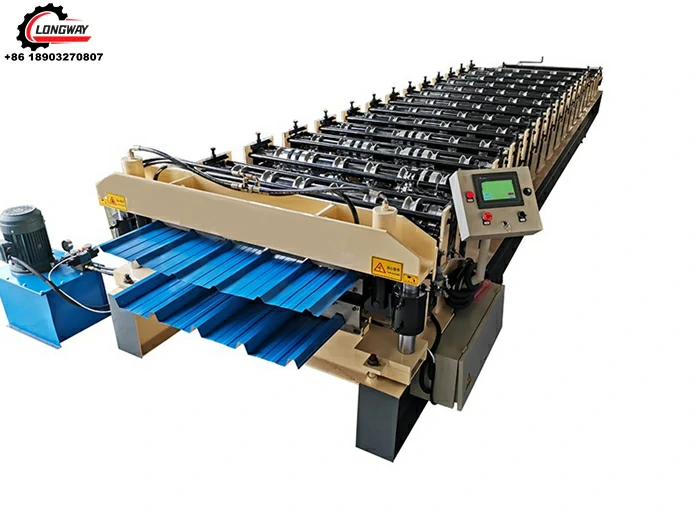
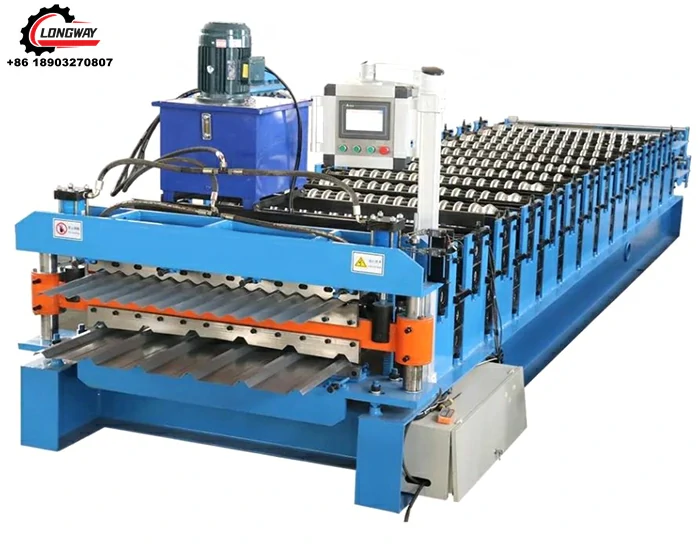
So, what makes these roll forming machines from China unique? In real terms, when I first saw one on a job site, I was struck by how streamlined the design was—a blend of solid steel frames, precision rollers, and user-friendly automation controls. This combo lets operators crank out C channels with consistent quality at impressive speeds. The manufacturing sector loves it because it reduces manual labor without skimping on accuracy.
Oddly enough, many engineers I’ve spoken to note that China’s focus on customization is a big factor here. You’re rarely boxed into a one-size-fits-all solution. Need a specific channel width or thickness? Most vendors will tweak tooling or machine specs to suit those needs without too much fuss. That flexibility comes from decades of rapid innovation in their industries and a high volume of orders demanding varied specs.
Of course, quality control is key when you’re rolling steel precisely. A few years ago, I visited a plant where they put new roll forming lines through intensive tests – checking tolerances, surface finish, and the straightness of the final channel. What struck me was how sensitive these machines are to setup parameters: a slight misalignment in the rollers could create noticeable distortions. It really speaks to how crucial skilled operators are despite automation.
Here's a quick rundown of typical specs for a popular China-made C channel roll forming machine:
| Specification | Value |
|---|---|
| Forming Speed | 8-12 meters/min |
| Material Thickness | 1.5–6 mm |
| Channel Width Range | 50–300 mm |
| Power Supply | 380V 50Hz (3 Phase) |
| Machine Weight | ~4,500 kg |
| Length of Machine | ≈ 9 meters |
While spec sheets matter, what really tells the story is vendor reliability and post-sale support. I’ve seen customers lean toward certain Chinese makers because they offer quick spare parts delivery and remote troubleshooting—pretty essential when lines run 24/7 and downtime costs are brutal. Let me toss in a short comparison to highlight a few players I’ve encountered:
| Vendor | Customization | Lead Time | Customer Support | Typical Clients |
|---|---|---|---|---|
| LW Roll Forming | High | 4-6 weeks | Excellent (remote & onsite) | Mid-large fabricators |
| Zhejiang Machinery Co. | Medium | 6-8 weeks | Good (mostly remote) | Smaller fabricators |
| Taizhou Tech | Low-Medium | 5-7 weeks | Fair | Entry-level buyers |
One memorable project involved a mid-sized construction company that switched to a China C channel roll forming machine after struggling with inconsistent local suppliers. Their operations lead told me, “It feels like a night and day difference—the channels come out perfectly every time and the machine barely needs intervention.” That, to me, sums up the appeal: reliable, automated production without a headache.
Now, I might add that while these machines are great, they do require routine maintenance and a decent understanding from operators. You cannot just fire it up and walk away. Plus, material quality always matters—cheap coil steel means troubles downstream, no matter how sophisticated the roll former.
In all, investing in a China C Channel Roll Forming Machine can be a smart move for fabricators aiming for precision, efficiency, and flexibility — especially if you partner with a vendor who knows what they’re doing and stands behind their gear. It’s been fascinating to watch these machines evolve and gain ground in markets traditionally dominated by European brands.
At the end of the day, it boils down to your specific needs, budget, and how hands-on you want to be. But with the right setup, these machines keep on rolling – both literally and figuratively.
References:
- Industry interviews – Fabrication World, 2022
- Field visit notes – Industrial Metalworks, 2023
- LW Roll Forming Product Brochure, 2024
-
High Precision Customized Z Purlin Roll Forming Machine GuideNewsApr.16, 2026
-
High Precision customized steel structure floor deck roll forming machineNewsApr.09, 2026
-
Comprehensive Guide to Customized Roof Tile Roll Forming Machine SolutionsNewsApr.07, 2026
-
Optimizing Metal Fabrication with a Customized Roll Forming Machine SolutionNewsApr.04, 2026
-
Comprehensive Guide to Customized Profile Roll Forming Machine SolutionsNewsMar.31, 2026
-
Customized Light Steel Keel Roll Forming Machine Solutions and ApplicationsNewsMar.28, 2026
-
Optimized Production with a Customized Double Layer Roll Forming Machine SolutionNewsMar.26, 2026