Efficient Roofing Sheet Bending Machines for Sustainable Construction
The Roofing Sheet Bending Machine: Why It Matters Globally
At first glance, a roofing sheet bending machine might sound like just another industrial tool, but its impact stretches far beyond factory floors. These machines shape and bend metal sheets to form roofs that protect homes, commercial buildings, and temporary shelters worldwide. As urbanization accelerates and climate challenges increase, understanding the role of roofing sheet bending machines becomes crucial—not only for industrial efficiency but for delivering safe, sustainable housing.
Global construction demand is booming; the United Nations estimates that by 2050, nearly 70% of the world’s population will live in urban areas—meaning the need for rapid, scalable roofing solutions is skyrocketing. Against this backdrop, being familiar with roofing sheet bending machines and their capabilities can unlock smarter building strategies, particularly in regions facing housing shortages or natural disasters.
Introduction: The Global Context of Roofing Sheet Bending Machines
Think about how roofs speak to both shelter and survival. In places hit by harsh weather or rapid growth, the challenge is two-fold: how to make durable, cost-efficient roofing quickly—and at scale. The ISO standards on metal fabrication hint at the growing focus on precision and efficiency, emphasizing machines that can bend sheets with minimal waste and maximal consistency. According to recent World Bank reports, countries in Southeast Asia and Africa, where infrastructure is rapidly urbanizing, have seen a spike in demand for machines that can keep up with accelerating building needs.
Problem? Manual sheet metal bending is slow, inconsistent, and prone to human error. Enter: the roofing sheet bending machine—automatons that turn raw metal coils into perfectly curved, curve-fitted roofing sheets in moments.
What Exactly is a Roofing Sheet Bending Machine?
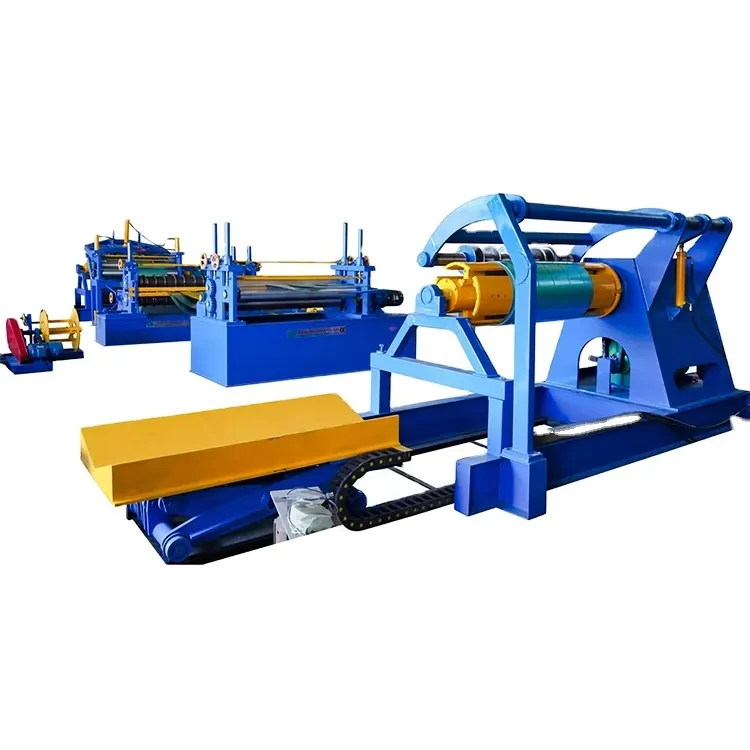
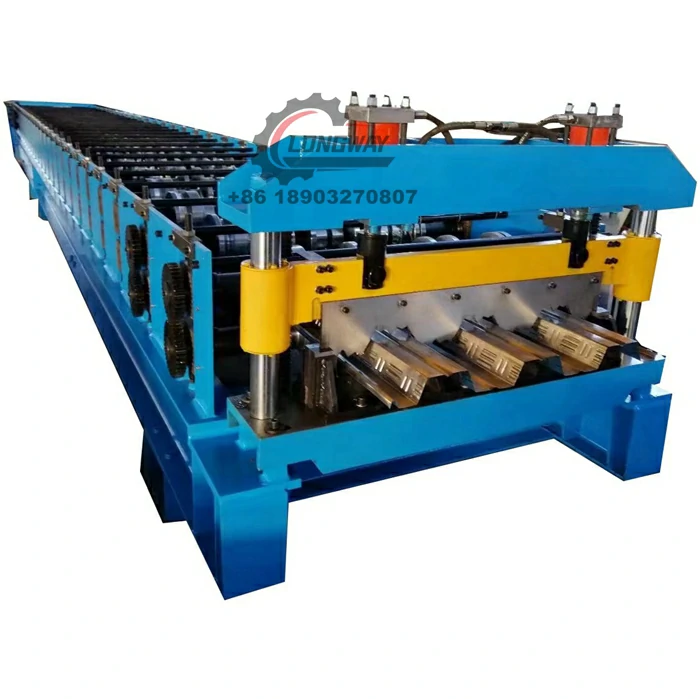
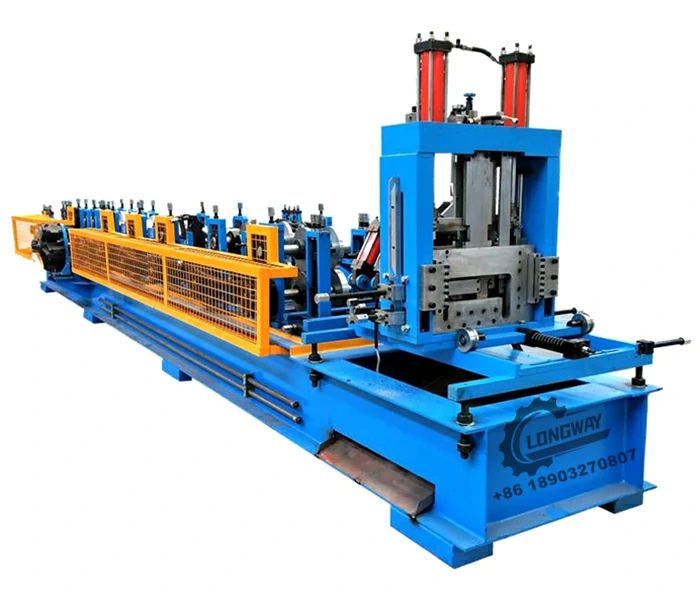
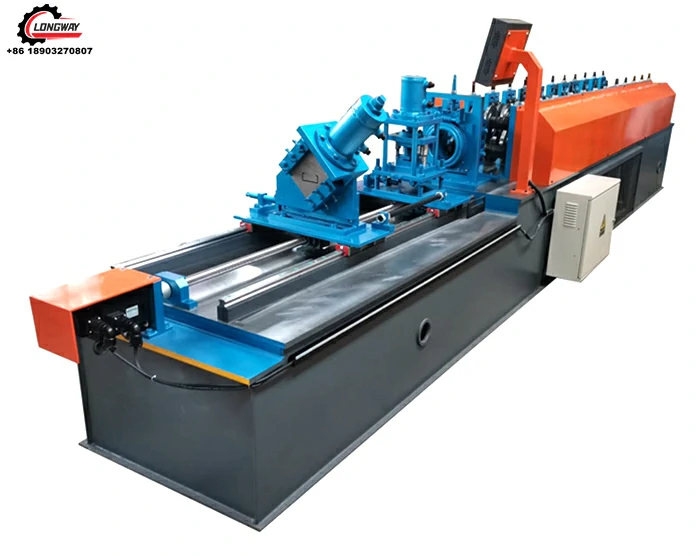
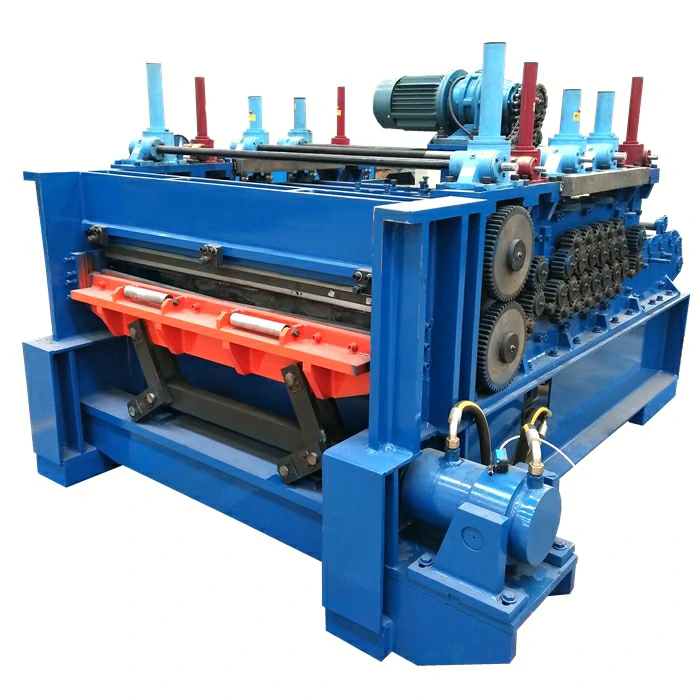
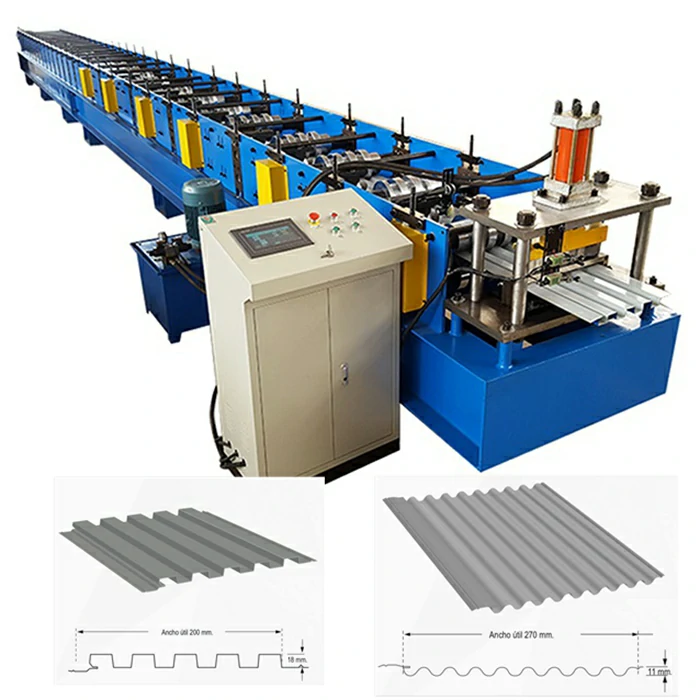
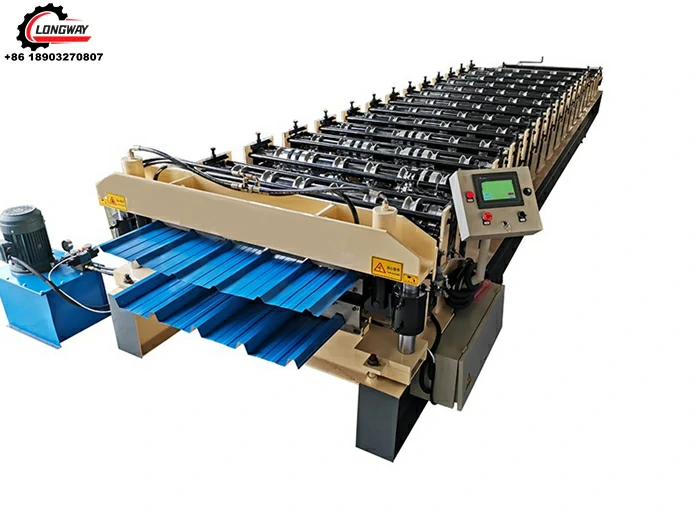
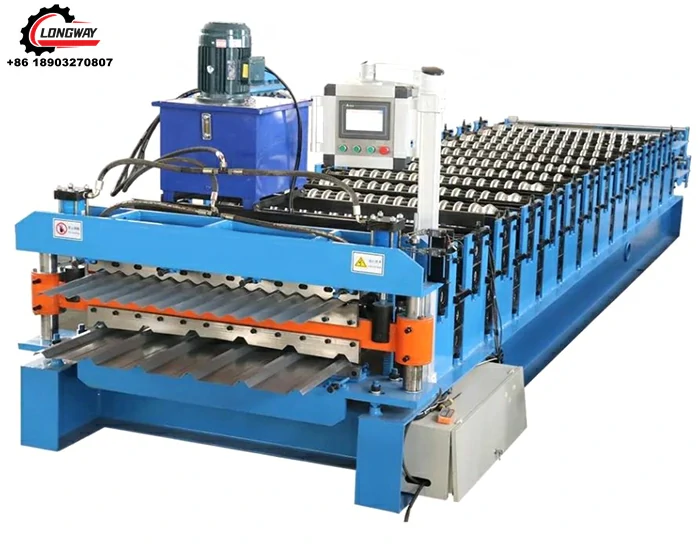
In plain terms, a roofing sheet bending machine is a piece of equipment designed to bend, shape, and contour metal sheets into roofing profiles like corrugated panels, trapezoidal sheets, and standing seam panels. These profiles form the backbone of modern roofing systems in residential, industrial, and agricultural sectors alike. The machine automates the bending process, improving speed and reducing manual labor.
Its relevance goes beyond manufacturing. NGOs and construction firms working on post-disaster shelters or quickly deployable housing rely on these machines to fabricate strong, weatherproof roofs fast. Oddly enough, the simplicity of “bending metal” transforms into a complex orchestration of rollers, dies, and hydraulic or mechanical systems—some even digitally controlled today.
Key Components and Factors in Roofing Sheet Bending Machines
1. Durability & Build Quality
Many engineers say if a machine isn’t built tough, it won’t last long in heavy-duty environments. Usually made from solid steel frames, these machines need to resist metal fatigue, vibration, and sometimes even harsh outdoor conditions.
2. Precision & Automation
Some modern machines incorporate CNC controls, letting operators input exact bending angles and sheet lengths. This precision minimizes material waste and guarantees uniform sheet profiles, which is crucial for fitting roofs well—and avoiding leaks.
3. Scalability and Throughput
Whether you’re rolling 50 sheets a day or 500, the machine capabilities differ significantly. Scalability factors in production speed, coil capacity, and whether multi-profile tooling is available.
4. Energy Efficiency
With rising energy costs and sustainability goals, efficient motor systems and low power consumption play an increasing role.
5. Ease of Maintenance
In remote or developing areas, easy access to replacement parts and straightforward maintenance instructions can make or break machine uptime.
6. Cost Efficiency
It’s not just the initial investment but long-term operational costs — usable lifetime, energy bills, and labor savings — that shape the overall budget.
Mini takeaway: It’s rarely just about bending metal well. These machines are hybrids of mechanics, electronics, and practical design tailored to different user needs, environments, and budgets.
Global Applications and Use Cases for Roofing Sheet Bending Machines
Roofing sheet bending machines find their way into diverse corners of the world, with industries ranging from traditional construction to emergency response.
- Developing Nations: Countries like India and Kenya use these machines to mass-produce affordable roofing sheets, meeting rising demands in rural and urban housing.
- Post-Disaster Relief: After typhoons or earthquakes, rapid deployment housing with metal roofs fabricated on-site can shelter displaced populations immediately.
- Industrial Zones and Warehousing: Industrial parks in China and Eastern Europe rely on custom-profile roofing for factories and storage units.
- Agriculture & Livestock: Metal roofs are commonly used in farming facilities to withstand weather extremes, facilitated by durable bent sheets.
There’s a small story from the Philippines where, post-typhoon, a local NGO used a portable bending machine to produce enough sheets for hundreds of temporary shelters in days — a sharp contrast to waiting weeks for deliveries. It feels like these machines offer a kind of backdoor to resilience.
Advantages and Long-Term Value of Using Roofing Sheet Bending Machines
The benefits extend from the spreadsheet to human dignity. To detail:
- Cost Savings: Reduces labor costs and sheet wastage, making roofing projects budget-friendly.
- Speed: Cuts production time from hours per sheet to minutes, crucial when time is of essence.
- Sustainability: Allows use of recyclable metal sheets and optimized material use.
- Reliability & Safety: Ensures uniformity that reduces structural failures and weatherproofing issues.
- Social Impact: Supports local manufacturing jobs and fast housing recovery in crises.
Emotionally, it’s comforting to think that a well-made roof, rolled and bent correctly, protects families and businesses alike. It fosters a sense of security you don’t normally associate with machines.
Product Specification Table
| Specification | Typical Range / Feature | Notes |
|---|---|---|
| Sheet Material Thickness | 0.3 - 1.2 mm | Depends on metal type |
| Maximum Sheet Width | 1000 - 1250 mm | Determines roofing panel size |
| Production Speed | 8 - 15 meters/minute | Varies with profile complexity |
| Power Supply | 3 Phase, 380V | Industrial standard |
| Control System | PLC with Touchscreen | For automation and preset profiles |
Vendor Comparison: Choosing the Right Roofing Sheet Bending Machine
| Feature | Vendor A | Vendor B | Vendor C |
|---|---|---|---|
| Max Production Speed | 15 m/min | 12 m/min | 10 m/min |
| Automation Level | Full CNC | Semi-automatic | Manual + assist |
| Warranty | 24 months | 18 months | 12 months |
| On-site Training | Included | Optional | Not available |
| Price Range | $35,000 - $50,000 | $25,000 - $37,000 | $18,000 - $28,000 |
Future Trends and Innovations to Watch
Looking ahead, the roofing sheet bending machines of tomorrow are going digital and green. Automation via AI and IoT promises predictive maintenance and reduced downtime. Imagine a machine that alerts you before a die wears out or when the oil needs changing—quite the leap from purely manual gauges. Materials innovations, like coatings that extend sheet lifespan or lighter metals that retain strength, will push these machines to adjust bending parameters on the fly.
Environmentally, energy-efficient motors and solar-powered manufacturing hubs are already in pilot stages. Plus, the ability to integrate these machines with roofing sheet bending machine supply chains can accelerate delivery without stock shortages—making green building more accessible globally.
Challenges and Solutions
Of course, there’s no magic wand here. Challenges include the high upfront investment and a learning curve in operating these machines, especially in regions with less technical infrastructure. Supply chain disruptions, such as shortages of quality steel coils or replacement parts, can also stall projects.
Experts suggest modular machine designs—where parts can be easily swapped without reference to proprietary suppliers—and scalable starter units that smaller fabricators can grow into. Also, partnerships with local technicians for training dramatically improve uptime and trust.
FAQ: Roofing Sheet Bending Machine Essentials
Q1: How fast can a roofing sheet bending machine produce roofing panels?
A typical machine can output 8 to 15 meters of roofing sheet per minute, depending on the complexity of the profile and the material thickness. Modern CNC models optimize speed while maintaining precision, allowing factories to meet tight deadlines efficiently.
Q2: Are these machines suitable for small-scale or mobile operations?
Yes, there are compact and semi-portable models designed for remote or post-disaster sites. Though their capacity and automation may be lower, they offer vital flexibility in manufacturing roofs on-site where transportation is challenging.
Q3: What kind of metals can these machines handle?
Most roofing sheet bending machines process galvanized steel, aluminum, and sometimes stainless steel—all within thickness limits of 0.3 to 1.2 mm. Selection depends on roofing type, climate needs, and budget.
Q4: How do I maintain optimal performance over time?
Regular maintenance includes lubricating rollers, tightening bolts, cleaning dust or metal debris, and updating CNC software if applicable. Some suppliers offer maintenance kits and on-site training to extend machine life.
Q5: Can NGOs import these machines easily for humanitarian projects?
Most machines can be shipped internationally, though import duties and certification requirements vary by country. NGOs often benefit from vendor partnerships offering export support, installation assistance, and local training programs.
Wrapping It All Up: Why Roofing Sheet Bending Machines Matter
So, when you think of a roof—from the tinniest rural hut to sprawling commercial sheds—the painstaking bends and curves owe much to the quiet workhorses called roofing sheet bending machines. They encapsulate efficiency, precision, and innovation, helping not just businesses but millions seeking shelter worldwide.
If you’re in the market, or simply curious, dive deeper with tools like roofing sheet bending machine showcases for detailed specs and real-life stories. Because frankly, a well-formed roof sheet is a solid step toward a safer, sustainable future.
References:
-
High Precision Customized Z Purlin Roll Forming Machine GuideNewsApr.16, 2026
-
High Precision customized steel structure floor deck roll forming machineNewsApr.09, 2026
-
Comprehensive Guide to Customized Roof Tile Roll Forming Machine SolutionsNewsApr.07, 2026
-
Optimizing Metal Fabrication with a Customized Roll Forming Machine SolutionNewsApr.04, 2026
-
Comprehensive Guide to Customized Profile Roll Forming Machine SolutionsNewsMar.31, 2026
-
Customized Light Steel Keel Roll Forming Machine Solutions and ApplicationsNewsMar.28, 2026
-
Optimized Production with a Customized Double Layer Roll Forming Machine SolutionNewsMar.26, 2026