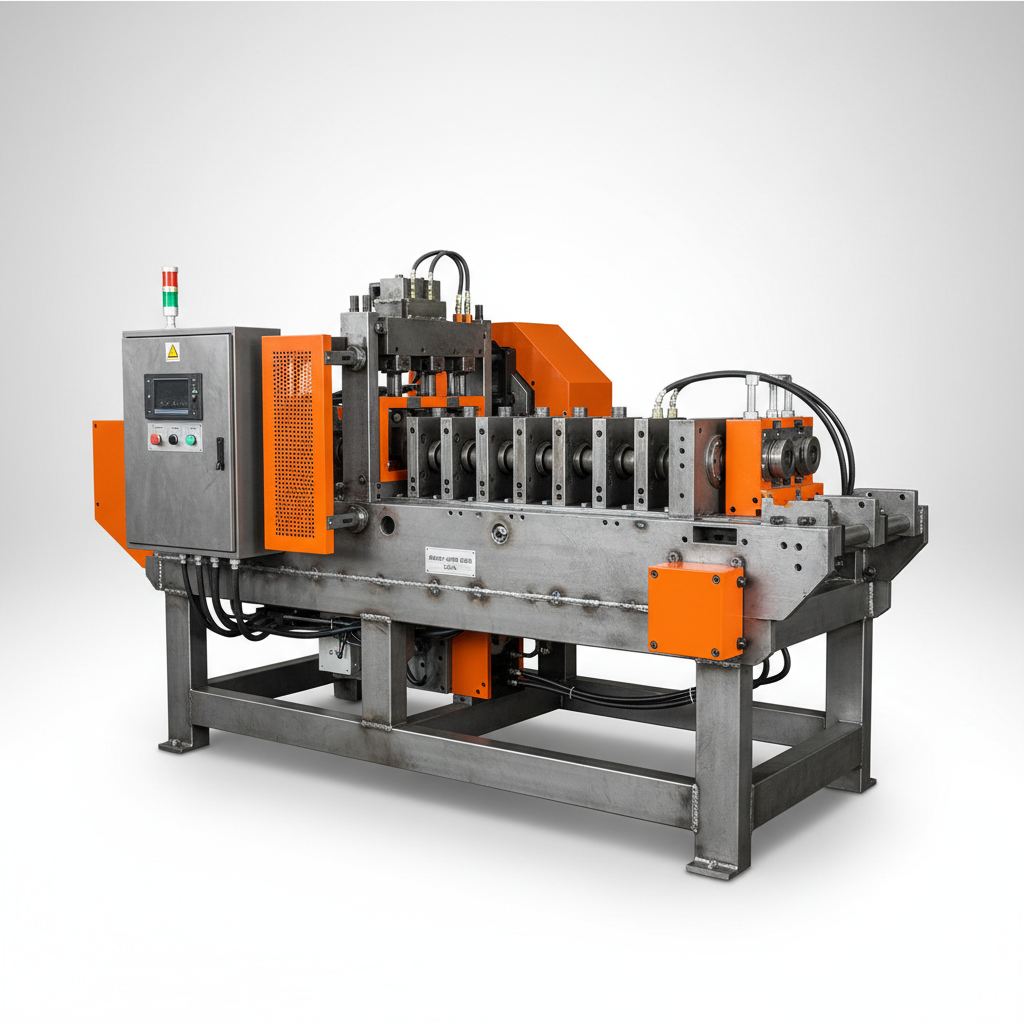

Finding reliable roof sheet making machine suppliers is a critical decision for construction firms and metal processing plants aiming to optimize their production of trapezoidal and standing seam panels. The choice of equipment directly impacts the structural integrity of the final roofing product, the operational cost per meter, and the ability to meet diverse architectural specifications in industrial and residential projects.
In the current B2B landscape, procurement is no longer just about the lowest price but about the synergy between machine precision, material compatibility, and long-term technical support. For those producing TR4, TR5, or TR6 profiles, the technical nuance of the roll-forming process—such as the management of internal stress in the metal sheet—can be the difference between a high-precision panel and one that suffers from warping or misalignment during installation.
This guide provides an in-depth analysis of how to evaluate equipment manufacturers, the technical requirements for high-quality metal roofing production, and the specific parameters a buyer must verify to ensure their investment aligns with their production goals. We will explore the mechanical foundations of roll forming and how to identify partners capable of delivering customized engineering solutions.
Evaluating Professional Roofing Equipment Providers
When assessing potential roof sheet making machine suppliers, the primary focus should be on their R&D capacity and historical performance in diverse geographical markets. Professional providers do not simply sell a machine; they provide a production solution. This involves understanding the raw material properties—such as the gauge of PPGI or PPGL coils—and how the machine's forming stations are designed to handle these materials without scratching or compromising the coating.
A key indicator of a supplier's expertise is their ability to offer integrated packages. For example, for those producing TR4 panels, a high-value provider will offer not only the forming machine but also hydraulic curving machines, as TR4 profiles are frequently used in curved industrial roof designs. Furthermore, the experience of the manufacturer in serving global markets—specifically in South America, North America, and Europe—demonstrates their ability to comply with varied international quality standards and voltage requirements, ensuring the machine is "plug-and-play" upon arrival at the client's facility.
Strategic Selection of Roll Forming Technology
Selecting the right machinery requires a deep dive into the mechanical architecture and the specific output requirements of your projects. The efficiency of a roll-forming line depends on the harmony between the uncoiling, feeding, forming, and cutting stages. Below we analyze the seven critical dimensions of technology selection for metal roofing production.
Technical Specifications and Material Range
The versatility of a machine is defined by the thickness and width of the coils it can process. For standard trapezoidal profiles, the ability to handle a range from 0.3mm to 0.6mm (30-22 Gauge) is essential to serve both light residential and heavy industrial sectors. The structural integrity of the machine frame—often requiring heavy H-beam construction—ensures that the machine does not flex under the pressure of thick steel coils.
| Technical Parameter | Requirement | Impact on Production | Buyer's Checkpoint |
|---|---|---|---|
| Coil Material | PPGI, PPGL, GI | Surface Finish Quality | Coating compatibility |
| Thickness Range | 0.3mm - 0.6mm | Product Versatility | Gauge adaptability |
| Frame Structure | 350mm H-Beam | Machine Stability | Weld quality and thickness |
| Shaft Treatment | Heat-treated solid shaft | Durability/Precision | Resistance to deformation |
| Roller Material | 45# Forged Steel | Wear Resistance | Hardness certification |
| Control System | PLC Delta/Inverter | Cutting Accuracy | Software reliability |
The Role of Roll-Forming Precision
Precision in roll forming is achieved through a "separate rolling" design concept. Unlike continuous rolling, separate rolling allows the internal stress of the metal sheet to be released more effectively as it passes through the stations. This prevents the final panel from twisting or bowing, which is a common failure in low-end machinery. The use of 20 rows of forming stations ensures a gradual transition of the profile, maintaining high precision and a smooth finish.
Analyzing Trapezoidal Profile Advantages
The TR4 profile is particularly valued for its balance of aesthetics and structural strength. With 4 waves and a standard height of 40mm (though customizable), it provides excellent drainage and wind resistance. Because the TR4 design allows for curving on the same panel, it is a preferred choice for hotels, exhibition halls, and vacation villages where architectural grace is as important as weatherproofing.
Automation and Control Systems
Modern production requires minimized human error. The integration of PLC (Programmable Logic Controller) systems with touch screen interfaces allows operators to set exact lengths for cutting. Hydraulic pillar-type cutting ensures that the sheet is severed cleanly without distorting the edges of the profile. This level of automation is vital for maintaining consistency across thousands of meters of production.
Customization for Regional Standards
Standard profiles may not always meet local building codes. A professional manufacturer should offer customized profile drawings based on the target market. For instance, Peru standard TR4 profiles may differ slightly from European or North American standards. The ability to modify roller diameters and station spacing allows for the production of bespoke panels that fit specific architectural requirements.
Operational Efficiency and Speed
Production speed must be balanced with quality. A forming speed of 15-20m/min is generally optimal for maintaining precision while ensuring high throughput. The transmission system, typically employing double chain drives, must be robust enough to handle continuous operation without slipping, which would otherwise lead to inconsistent panel lengths.
Post-Purchase Lifecycle Support
The total cost of ownership is heavily influenced by after-sales service. Given the complexity of roll forming machines, buyers should seek suppliers who provide free training and lifetime service. The ability to diagnose electrical or mechanical issues remotely, coupled with a clear warranty period (such as 2 years), reduces the risk of costly production downtime.
FAQ
What is the difference between TR4, TR5, and TR6 roofing panels?
The primary difference lies in the number of ribs (waves) on the panel. TR4 has 4 ribs, TR5 has 5, and TR6 has 6. More ribs generally increase the structural stiffness and load-bearing capacity of the panel but may change the aesthetic look. TR4 is particularly popular for curved roofs due to its flexibility and classical appearance in residential and hotel constructions.
Can these machines handle different types of steel coils?
Yes, high-quality roll forming machines are designed to process various coated steels including PPGI (Pre-painted Galvanized Steel), PPGL (Pre-painted Galvalume Steel), and GI (Galvanized Steel). It is important to ensure the roller material, such as 45# forged steel, is compatible with the coil's hardness to avoid scratching the surface during the forming process.
How does a separate rolling design improve panel quality?
Separate rolling distributes the forming pressure across more stations with a calculated gap between them. This allows the metal to "relax" and release internal stresses that occur during bending. The result is a panel that remains straight and maintains its profile dimensions without the tendency to spring back or warp after it leaves the machine.
What should I check when evaluating a supplier's technical support?
Buyers should verify if the supplier provides comprehensive installation guidance, free operator training, and a structured warranty. Inquire about their response time for technical queries and whether they can provide remote diagnostic support for PLC and electrical issues, as this is critical for minimizing downtime in a commercial production environment.
Is it possible to customize the wave height of a TR4 panel?
Yes, while the standard TR4 profile often has a wave height of 40mm, professional manufacturers can customize the rollers to meet specific regional or project requirements. Customization involves redesigning the forming stations to achieve the desired height and width, ensuring the panel still meets structural load requirements.
What are the typical power requirements for an industrial roll former?
Most industrial machines operate on 380V/3ph/50Hz, but this is typically customizable to match the local electrical grid of the buyer's country. A typical setup might include a main motor of approximately 5.5kw and a cutter motor of 4kw. It is essential to confirm the voltage and frequency requirements during the procurement stage to avoid costly transformer additions.
References and further reading
- International Standards for Cold Roll Forming Steel Profiles (ISO/ASTM)
- Guide to Metal Roofing Material Gauges and Coating Compatibility
- Industrial Engineering Principles for Trapezoidal Panel Fabrication
Related Articles