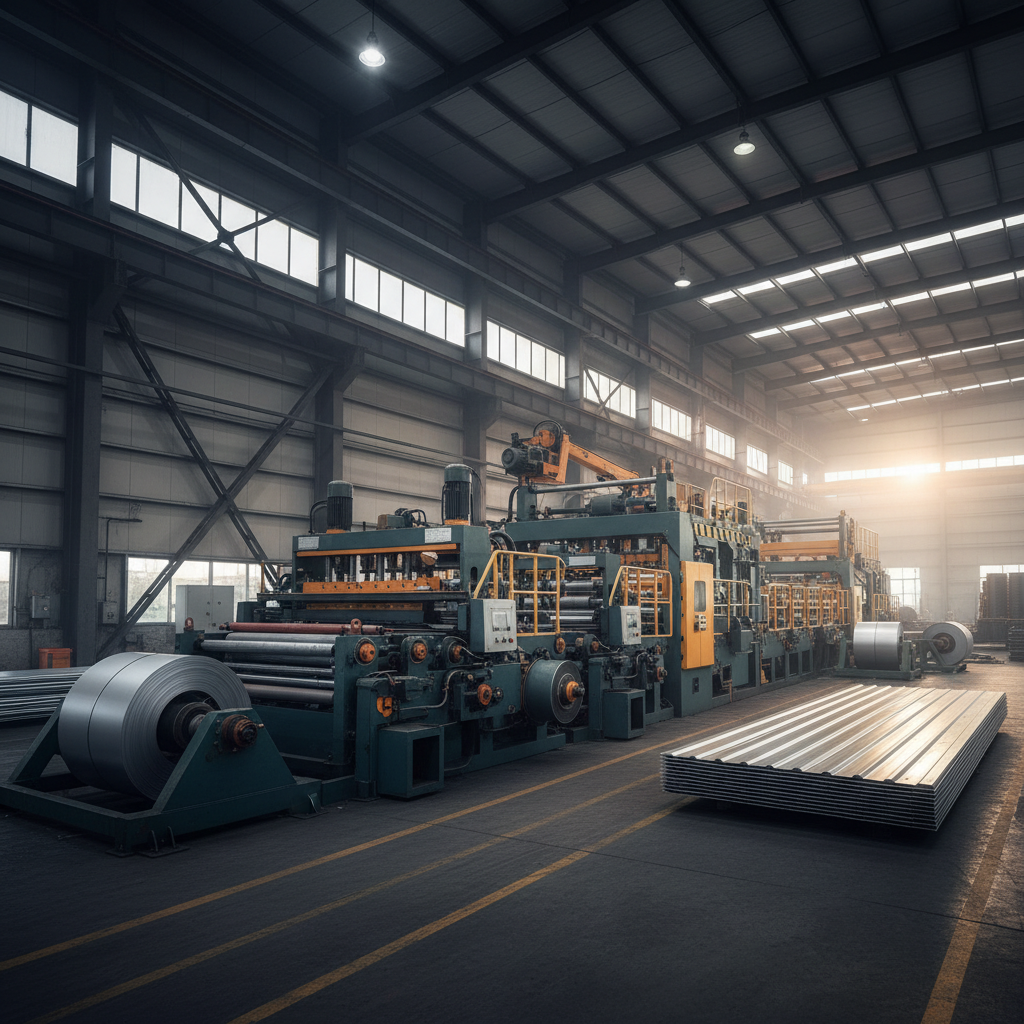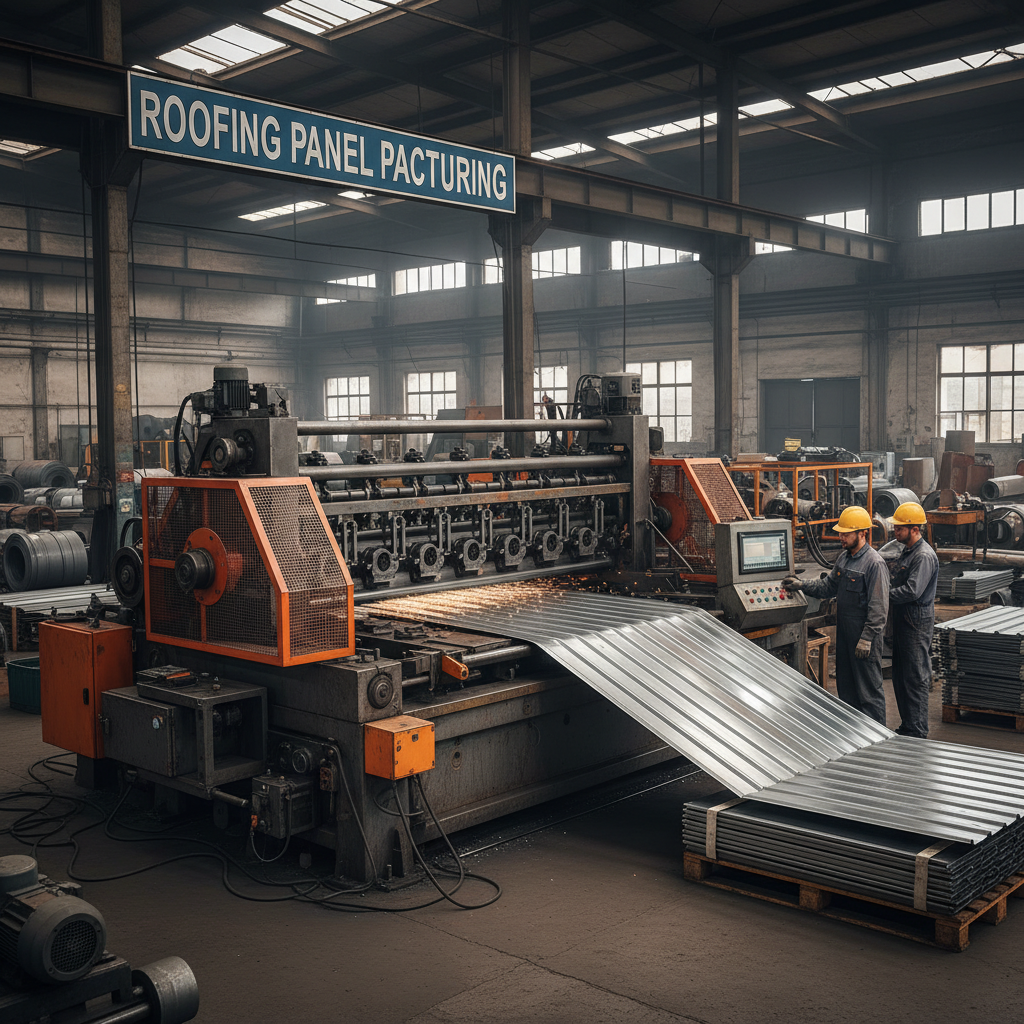
Selecting the right manufacturing partner for structural components often comes down to the precision of the roll forming process. In the realm of composite slab construction, the consistency of the profile determines the load-bearing capacity and the overall safety of the building's flooring system.
The shift toward prefabricated steel decking has increased the pressure on production facilities to deliver high-precision profiles with minimal material waste. This demand has transformed the role of a floor deck forming machine factory from a simple equipment provider to a critical technical partner in the construction supply chain.
To navigate this technical landscape, it is essential to understand the mechanical requirements of deck production and the criteria used to evaluate the quality of the machinery involved.


Floor decking relies on the principle of cold roll forming, where a flat strip of steel is progressively bent into a specific profile through a series of rollers. This process increases the stiffness-to-weight ratio of the sheet, allowing it to support the weight of wet concrete during the pouring phase of construction.
The complexity lies in managing the internal stress of the metal. A professional floor deck forming machine factory ensures that the transition between flat and formed sections is gradual, preventing the material from "springing back" or warping, which would otherwise compromise the structural integrity of the floor slab.
The durability of the machinery is centered on the frame structure. Heavy-duty H-beam structures are preferred because they minimize vibration during high-speed operation. For example, utilizing 18mm welded steel plates for the middle support ensures that the forming shafts remain perfectly aligned even under the immense pressure of 45# forged steel rollers.
Shaft treatment is another pivotal factor. Heat-treated solid shafts are necessary to resist torsional deformation. When the shaft bends even slightly, the resulting profile will exhibit inconsistent heights or widths, leading to gaps in the flooring that require costly manual correction on the construction site.
Furthermore, the transmission system—often utilizing double chain drives—must be synchronized perfectly. Any slip in the transmission can lead to length errors in the cut-to-length process, which is critical when decking must fit perfectly between structural beams.
Material compatibility varies significantly based on the coating of the steel coil. Whether using PPGI, PPGL, or GI, the rollers must be designed to avoid scratching the surface while maintaining enough grip to push the material through the stations.
The "Separate Rolling" design concept is essential for high-precision output; by distributing the forming force across more stations, the machine releases internal stress from the sheets, preventing the common "oil-canning" effect seen in lower-quality profiles.
Modern systems integrate PLC controls (such as Delta) and touch screens to automate the hydraulic cutting process. This removes human error from the length-setting phase, ensuring that every panel produced meets the exact specifications of the project drawing.
Evaluating the performance of a production line involves more than just looking at the forming speed. While 15-20m/min is a standard operational speed, the real efficiency is found in the "uptime"—the ratio of actual production to maintenance time.
Factors such as the ease of material feeding and the reliability of the hydraulic pillar cutting system determine the total daily output. A well-engineered line minimizes the downtime required for coil changes and profile adjustments.
Steel decking is no longer limited to heavy industrial warehouses. We see it increasingly used in commercial complexes and high-rise residential buildings where the speed of construction is paramount. By using a roll forming process to create a permanent formwork, contractors eliminate the need for temporary timber supports, significantly reducing site waste.
In specialized projects, such as those requiring curved surfaces, the integration of hydraulic curving machines with the primary forming line allows for the creation of architectural features that were previously too expensive or technically difficult to execute.
The industry has moved away from simple mechanical setups toward fully integrated automated lines. The transition involves incorporating sensors that detect material thickness in real-time and adjusting the gap between rollers automatically to accommodate different gauges of steel.
Another significant shift is the move toward customized profile drawings. Instead of relying on a few global standards, manufacturers now offer bespoke profile designs to meet local building codes, such as the Peru TR4 standard, which features specific wave heights for regional seismic requirements.
Sustainability is also driving change. Modern factories are optimizing the "cut-to-length" logic to minimize the scrap end of each coil, which reduces the overall carbon footprint of the structural steel production process.
When selecting a machinery partner, buyers often focus on the price, but the long-term value is found in the technical specifications. A machine with fewer forming stations may be cheaper, but it often produces profiles with higher internal stress, leading to distortion.
The evaluation should also include the after-sales support structure. In the roll forming industry, the ability to calibrate rollers and provide replacement parts quickly is the difference between a productive site and a halted project.
The following framework provides a relative comparison of what to look for when auditing a production line's technical capabilities.
| Evaluation Factor | Basic Grade | Industrial Grade | Precision Grade |
|---|---|---|---|
| Frame Structure | Light Channel | Welded H-Beam | Heavy Reinforced H-Beam |
| Roller Material | Standard Steel | 45# Forged Steel | Heat-Treated Alloy Steel |
| Control System | Manual/Basic | PLC (Delta/Siemens) | Smart IoT Integrated |
| Forming Logic | Rapid Bending | Separate Rolling | Incremental Stress Release |
| Cutting Method | Mechanical Shear | Hydraulic Pillar | Servo-Driven Precision |
| Profile Tolerance | ±1.5mm | ±0.5mm | ±0.1mm |
The number of stations determines how gradually the steel is bent. A higher number of stations allows for a more incremental forming process, which releases internal stresses and prevents the material from warping or cracking. This results in a profile with higher dimensional accuracy and better structural stability, which is critical for floor decking that must interface perfectly with concrete.
Standard roll forming often bends the material quickly in fewer steps, which can trap stress in the metal. Separate rolling utilizes a design concept where each stage of the profile is formed independently and carefully. This process ensures the sheet remains in good shape and achieves high precision, reducing the likelihood of the "spring-back" effect after the sheet leaves the machine.
Galvanized steel (GI), Pre-painted Galvanized Steel (PPGI), and Galvalume (PPGL) are the primary choices. The selection depends on the environment; for instance, PPGL is often preferred for its superior corrosion resistance. The forming machine must be calibrated to the specific gauge (thickness) and coating of the coil to ensure the rollers do not damage the protective layer.
Check the material and thickness of the support structure. A professional machine should use a heavy H-beam structure (e.g., 350mm) rather than light channels. The thickness of the welded steel middle support plate (typically 18mm or more) is a key indicator of whether the machine can handle high-tonnage loads without shifting, which maintains the precision of the profile over years of use.
Yes, a specialized factory can customize the roller diameter and spacing to match specific profile drawings. For example, adjusting the wave height or the number of ribs to meet regional standards like the Peru TR4. This requires precise engineering of the forging rollers to ensure the customized dimensions are maintained consistently throughout the entire length of the production run.
The primary maintenance focuses on hydraulic oil quality and seal integrity. Regular oil changes and filter replacements prevent contaminants from damaging the valves. Additionally, the cutting blades must be inspected for wear; dull blades can cause burrs on the edge of the decking, which can lead to safety hazards during installation or interfere with the concrete bond.
The efficiency of modern construction relies heavily on the quality of the structural components produced by a floor deck forming machine factory. By focusing on frame rigidity, separate rolling logic, and precision PLC controls, manufacturers can ensure that every panel delivered to the site is a reliable foundation for the rest of the build.
Ultimately, the investment in high-grade machinery—characterized by forged steel rollers and reinforced H-beam structures—pays for itself through reduced material waste, lower labor costs on-site, and a significant increase in overall structural safety.